We often overlook the impact of our window treatments, viewing them merely as functional necessities rather than integral components of our interior design. Yet, these often-underestimated elements possess a remarkable ability to reshape the character and comfort of any room. By thoughtfully selecting and installing the right window coverings, we can significantly enhance aesthetics, manage light, ensure privacy, and even improve energy efficiency. Our objective here is to explore how we can effectively transform our living environments through strategic choices in window fashion.
Beyond their decorative appeal, window coverings serve a multitude of practical purposes. When we consider new additions to our homes, we must weigh these functional aspects alongside our aesthetic preferences. A purely decorative curtain might fail to address crucial issues like glare or heat gain, just as a highly functional blind might not complement our chosen interior style. Our approach needs to be holistic, recognizing that form and function are not mutually exclusive but rather inextricably linked.
Managing Light and Glare
One of the primary functions of any window covering is light control. The amount of natural light entering a room can dramatically alter its mood and usability. Too much direct sunlight can cause glare on screens, fade furniture, and make a space uncomfortably bright. Conversely, an inadequate amount of natural light can make a room feel dim and unwelcoming.
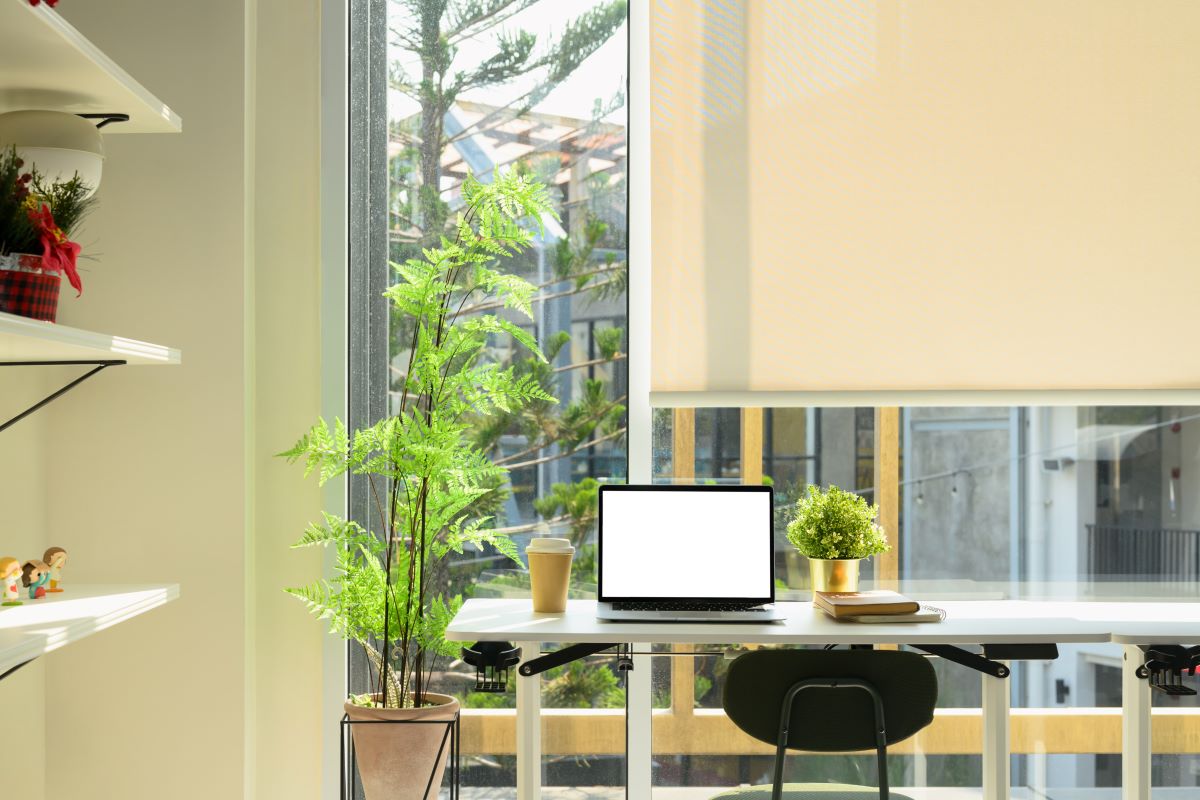
- Diffusing Harsh Light: Sheer curtains, light-filtering blinds, and cellular shades are excellent for diffusing harsh sunlight, creating a softer, more even illumination throughout the room. We find these particularly useful in living areas and home offices where we often need controlled brightness without complete darkness.
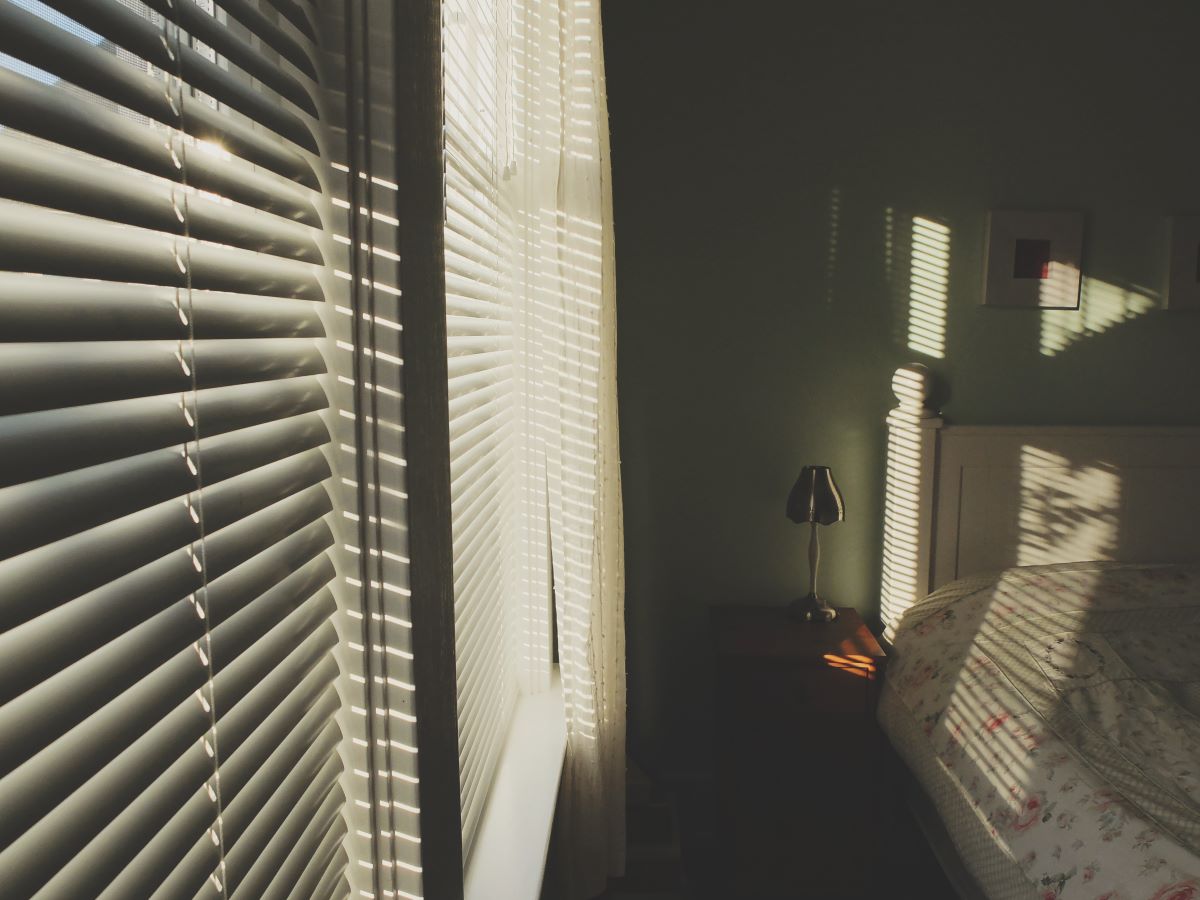
- Blocking Intense Light: For bedrooms or media rooms, we typically opt for room-darkening or blackout options. These effectively block external light, allowing for better sleep or an optimal viewing experience. Materials, weave, and additional linings all contribute to a covering’s light-blocking capability.
- Maximizing Natural Light: When privacy is not a primary concern, or during specific times of the day, we often want to maximize natural light. Our choices might include top-down/bottom-up blinds or shades that can be adjusted to let light in while maintaining privacy at the lower portion of the window. This flexibility is key to adapting our spaces to changing needs throughout the day.
Enhancing Privacy
Privacy is a fundamental requirement for most homes. Our window coverings act as our primary defense against unwanted intrusion and prying eyes, allowing us to feel secure and comfortable in our personal spaces.
- Daytime Privacy Solutions: During the day, we often desire privacy without sacrificing natural light. Sheer or translucent fabrics allow light to filter in while obscuring the view from outside. This is a common choice for living rooms and kitchens where we appreciate brightness but also need a degree of seclusion.
- Nighttime Privacy Solutions: At night, when interior lights make homes more visible from the outside, we require more robust privacy solutions. Heavier drapes, roller blinds, or solid shutters provide complete visual obstruction. We ensure our selections in bedrooms and bathrooms prioritize this aspect.
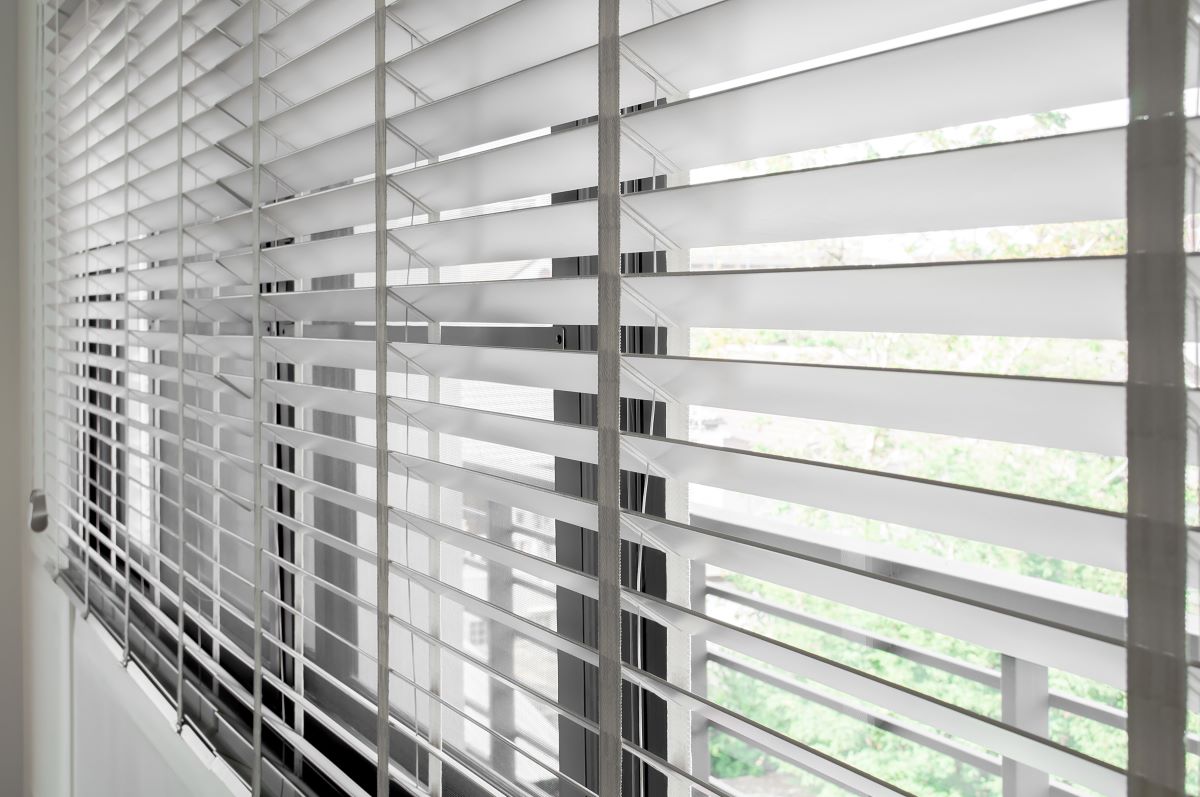
- Adjustable Privacy: The ability to adjust privacy levels throughout the day is a significant advantage. Venetian blinds, vertical blinds, and some types of shades offer louver or slat adjustments, allowing us to control not only light but also the degree of visibility into our homes. This adaptability makes them highly practical.
If you’re considering updating your home decor, you might find it helpful to explore the benefits of Venetian blinds. These versatile window coverings not only provide excellent light control but also add a touch of elegance to any room. For more information on the various styles and features of Venetian blinds, check out this related article on the Apex Blinds website: Venetian Blinds.
Elevating Aesthetics: Style and Design
While functionality is paramount, the aesthetic contribution of window coverings should not be underestimated. They are potent design tools that can reinforce a room’s theme, introduce texture and color, and create a focal point. Our choices in style, material, and color dictate much of a room’s overall feel.
Choosing the Right Style
The style of our window coverings should align with the overall design aesthetic of our homes. A modern, minimalist home will benefit from streamlined blinds or simple roller shades, while a more traditional space might call for elaborate drapes or classic Roman shades.
- Curtains and Drapes: These offer versatility in terms of fabric, pattern, and length. We use them to add softness, drama, or a touch of luxury. They can be floor-length for an elegant look or shorter for a more casual feel. Layering sheer curtains with blackout drapes gives us both light control and aesthetic depth.
- Blinds: Venetian blinds, vertical blinds, and mini blinds offer a clean, structured appearance. Their slatted design allows for precise light and privacy control. We often choose these for their contemporary feel and ease of maintenance, particularly in spaces where functionality is a top priority.
- Shades: Roman shades, roller shades, cellular shades, and pleated shades provide a smooth, fabric-based covering that retracts neatly. They come in an extensive range of colors and textures, making them adaptable to various design schemes. We appreciate their ability to add a subtle pop of color or a textural element without overwhelming the space.
- Shutters: Plantation shutters, café shutters, and solid panel shutters offer a timeless, architectural look. They are durable, easy to clean, and provide excellent insulation. We find them particularly suitable for traditional or classic interiors, adding a sense of permanence and crafted quality.
Material and Fabric Selection
The material and fabric we choose for our window coverings contribute significantly to both their function and their aesthetic. Different materials offer varying levels of light filtration, insulation, and durability, as well as distinct textures and drapes.
- Natural Fabrics: Cotton, linen, and silk offer a breathable, elegant look. We often select them for their natural texture and ability to drape beautifully, creating a soft and inviting atmosphere. However, we also acknowledge their potential for fading in direct sunlight and consider lining them for longevity.
- Synthetic Fabrics: Polyester, rayon, and blends provide durability, resistance to fading, and often easier maintenance. We find them practical for high-traffic areas or windows exposed to intense sunlight. Their wide range of textures and patterns makes them a versatile choice.
- Wood and Faux Wood: For blinds and shutters, wood offers a warm, earthy aesthetic. Faux wood alternatives provide similar looks with added moisture resistance, making them ideal for bathrooms and kitchens. We consider the weight and cleaning requirements of these materials.
- Specialty Materials: Cellular shades, for example, use a honeycomb structure for enhanced insulation. Woven woods offer a natural, textured look and subtle light filtering. Our selection often considers these specialized materials for specific functional benefits.
Maximizing Energy Efficiency
Our window coverings are more than just decorative elements; they are also important tools in managing our home’s energy consumption. By effectively controlling heat transfer through windows, we can reduce our reliance on heating and cooling systems, leading to energy savings and a more comfortable indoor environment.
Insulation Properties
Windows are notorious for heat loss in winter and heat gain in summer. Properly chosen window treatments can act as an insulating barrier, reducing this energy exchange.
- Cellular Shades: These are particularly effective due to their honeycomb construction, which traps air and creates an insulating layer. We often recommend them for optimal thermal performance, especially in extreme climates. Different cell sizes and double-cell options offer varying degrees of insulation.
- Insulated Drapes: Lined drapes, especially those with thermal or blackout linings, can significantly reduce heat transfer. The heavier the fabric and the denser the weave, the better their insulating properties. We ensure these drapes are installed close to the window frame to minimize air gaps.
- Shutters: Solid panel shutters fit snugly within the window frame, providing an excellent thermal barrier. Their sturdy construction and material density contribute to their insulating capabilities, making them a wise choice for both aesthetic and practical reasons.
Sunlight Management for Temperature Control
Beyond insulation, we can use our window coverings to actively manage the sun’s energy, either harnessing it for warmth or blocking it to prevent overheating.
- Winter Sun Harnessing: On clear winter days, we can open our window coverings on south-facing windows to allow sunlight to stream in and passively heat our homes. Later in the day, we close them to retain the accumulated warmth. This intelligent use of natural light can noticeably reduce heating costs.
- Summer Heat Reduction: During the summer, especially on east and west-facing windows, direct sunlight can rapidly raise indoor temperatures. We keep these window coverings closed during the hottest parts of the day to block solar gain, thereby reducing the need for air conditioning. We find that lighter-colored coverings on the exterior-facing side reflect more heat.
- Smart Automation: Integrating motorized window coverings with smart home systems allows us to automate light and temperature control. We can program them to open and close based on ambient temperature, time of day, or even weather forecasts, optimizing energy efficiency without manual intervention.
Installation and Maintenance Considerations
The longevity and performance of our window coverings depend significantly on proper installation and consistent maintenance. Overlooking these aspects can lead to disappointments, regardless of how stylish or functional our initial choices were.
Proper Installation Techniques
Correct installation is crucial for both aesthetic appeal and optimal function. A beautifully designed blind will look unsightly if hung unevenly, and an insulating shade will be ineffective if there are large gaps around the frame.
- Accurate Measurements: We emphasize the importance of precise measurements. Whether we are mounting inside the window frame (for a clean, integrated look) or outside (for maximum light blockout or to make a window appear larger), every millimeter counts. We consider the depth of the frame, potential obstructions, and the desired overlap.
- Secure Mounting: The weight of some window treatments, particularly long drapes or heavy wooden blinds, necessitates secure mounting. We use appropriate hardware and anchor into studs where possible to prevent sagging or accidental falls.
- Professional Installation: While some window coverings are suitable for DIY installation, we often recommend professional installation for more complex systems, particularly motorized blinds or large-scale drapes. Experts ensure proper alignment, smooth operation, and adherence to manufacturer warranties. Their experience can also troubleshoot potential issues before they arise.
Ease of Maintenance and Cleaning
Different materials and styles require varying levels of maintenance. When making our selections, we consider our lifestyle, household residents (pets, children), and how much time we are willing to dedicate to upkeep.
- Regular Dusting: Most window coverings benefit from regular dusting with a soft cloth, duster, or vacuum cleaner with a brush attachment. This prevents dust buildup and keeps them looking fresh. We make this part of our general cleaning routine.
- Spot Cleaning: For minor spills or marks, spot cleaning with a mild detergent and water can be effective, depending on the material. We always test any cleaning solution on an inconspicuous area first to ensure it does not damage the fabric or finish.
- Professional Cleaning: Valuables or delicate fabrics, such as silk drapes or intricate Roman shades, often require professional dry cleaning to maintain their integrity and appearance. We factor this potential future cost and inconvenience into our initial decision-making.
- Material-Specific Care: Blinds and shutters, particularly those made of wood or faux wood, can often be wiped down with a damp cloth. Cellular shades might require gentle vacuuming. We always consult manufacturer guidelines for specific cleaning instructions to ensure we are using the correct methods. Our goal is to extend the life of our investments.
When considering the best options for enhancing your home’s aesthetic and functionality, window coverings play a crucial role. For those looking to elevate their bedroom decor, exploring various styles and materials can make a significant difference. A recent article discusses the latest trends in bedroom curtains in Singapore, providing insights into how to choose the perfect window treatments for your space. You can read more about it in this informative piece on bedroom curtains.
Integrating Smart Technology and Automation
<?xml encoding=”UTF-8″>
| Product Type | Material | Size | Color | Price Range |
|---|---|---|---|---|
| Blinds | Wood | Customizable | Various | 50 – 200 |
| Curtains | Fabric | Standard | Multiple | 20 – 100 |
| Shades | Bamboo | Customizable | Natural | 30 – 150 |
The integration of smart technology into our window coverings represents a significant advancement, offering unparalleled convenience, enhanced security, and improved energy management. We see this as a key area for future home improvements.
Motorized Options
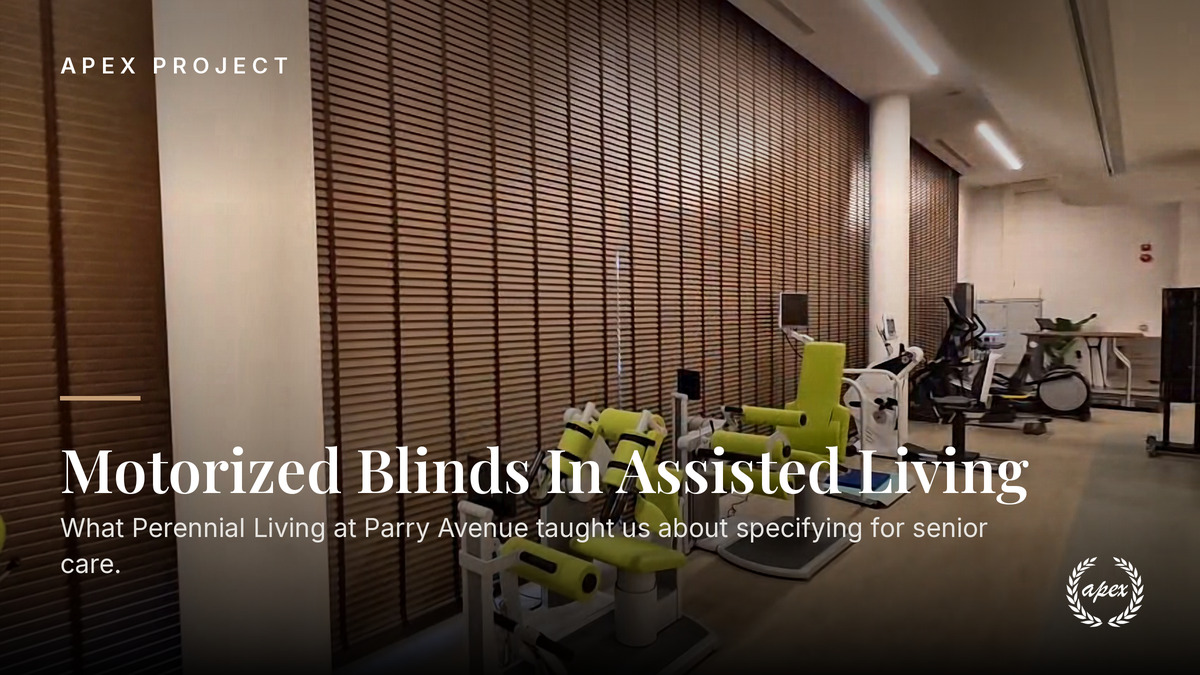
Motorized window coverings allow us to control our blinds and shades with the touch of a button, a voice command, or even via a smartphone app. This eliminates the need for cords and manual adjustments, making them especially beneficial for hard-to-reach windows or for individuals with mobility challenges.
- Remote Control Operation: A simple remote control allows us to adjust individual or multiple window coverings from anywhere in the room. This offers immediate convenience, enabling us to manage light and privacy without leaving our seats.
- Smartphone and Tablet Control: Many motorized systems connect to dedicated apps on our smartphones or tablets, providing comprehensive control. We can open, close, or set specific positions, even when we are away from home. This feature can enhance home security by creating the illusion of occupancy.
- Voice Control Integration: When connected to smart home hubs like Amazon Alexa or Google Assistant, we can operate our window coverings using voice commands. “Alexa, open the living room blinds” offers a hands-free and seamless experience, integrating seamlessly into our daily routines.
Automation and Scheduling
Beyond simple control, smart window coverings allow for sophisticated automation and scheduling, truly transforming how we interact with our living spaces.
- Pre-Set Schedules: We can program our window coverings to open and close at specific times of the day. For example, they can open at sunrise to wake us gently with natural light and close at sunset for privacy. This introduces a consistent rhythm to our homes.
- Sensor Integration: Some systems can integrate with light and temperature sensors. Our blinds can automatically adjust based on the intensity of sunlight or the room’s temperature, optimizing comfort and energy efficiency without our direct input. If a room gets too warm, the blinds can automatically lower to block the sun.
- Scene Creation: Smart home platforms enable us to create “scenes” where multiple devices, including window coverings, act in concert. A “movie night” scene might dim the lights, close the blackout blinds, and turn on the entertainment system simultaneously, creating an immersive experience with a single command. This level of customization allows us to tailor our environment to specific activities.
By carefully considering each of these aspects—functionality, aesthetics, energy efficiency, maintenance, and technological integration—we can make informed decisions that transform our spaces with stylish and effective window coverings. These elements are not merely embellishments; they are essential components that contribute to the comfort, character, and efficiency of our homes. Our collective effort in choosing wisely will yield lasting benefits.
FAQs
What are window coverings?
Window coverings are any type of material or device that is used to cover a window to provide privacy, block light, or enhance the aesthetic of a room. This can include curtains, blinds, shades, shutters, and drapes.
What are the different types of window coverings?
There are several types of window coverings, including curtains, blinds, shades, shutters, and drapes. Each type offers different levels of light control, privacy, and aesthetic appeal.
How do I choose the right window coverings for my home?
When choosing window coverings for your home, consider factors such as the amount of natural light you want to let in, the level of privacy you need, and the overall style and decor of the room. It’s also important to consider the size and shape of your windows when selecting window coverings.
What are the benefits of window coverings?
Window coverings offer several benefits, including providing privacy, controlling the amount of natural light that enters a room, and enhancing the overall aesthetic of a space. They can also help to insulate a room and improve energy efficiency.
How do I clean and maintain window coverings?
The cleaning and maintenance of window coverings will depend on the type of covering you have. Generally, regular dusting and occasional deep cleaning are recommended for most window coverings. Be sure to follow the manufacturer’s instructions for cleaning and maintenance to ensure the longevity of your window coverings.