We are increasingly recognizing the power of our living environments to influence our well-being and productivity. In this pursuit of enhanced personal spaces, window treatments emerge as a fundamental element, capable of modulating light, ensuring privacy, and contributing significantly to the overall aesthetic. Among the diverse array of options available, fabric blinds offer a unique blend of functionality and style, allowing us to transform our interiors with both grace and efficiency. We will explore the multifaceted benefits and practical considerations of incorporating stylish fabric blinds into our homes.
Fabric blinds, at their core, are window coverings crafted from various textile materials. Unlike rigid blinds made of wood, metal, or PVC, their inherent flexibility grants them a distinct character. This flexibility translates into a softer diffusion of light, a more muted soundscape, and a tactile quality that rigid materials cannot replicate. We understand that the choice of fabric is paramount, as it dictates not only the visual appeal but also the performance characteristics of the blinds.
Material Diversity and Their Properties
The spectrum of fabrics employed in blind manufacturing is broad, each offering a unique set of attributes.
Natural Fibers: Breathability and Organic Appeal
Materials such as cotton and linen are prized for their natural breathability and their ability to create a sense of organic warmth in a room. Cotton, with its gentle drape, is versatile and can be woven into various textures, from smooth sateens to more textured weaves. Linen, known for its inherent strength and subtle sheen, offers a more sophisticated, relaxed aesthetic. We recognize that natural fibers can be susceptible to fading from prolonged sun exposure and may require more frequent cleaning to prevent dust accumulation.
Synthetic Blends: Durability and Performance
Polyester and its blends are prevalent in fabric blinds due to their excellent durability, resistance to fading, and ease of maintenance. These materials can be engineered to offer specific functionalities, such as flame retardancy or enhanced UV protection. The uniform nature of synthetic fibers ensures consistent color saturation and a predictable drape. However, some synthetic fabrics may lack the inherent breathability of natural fibers.
Performance Fabrics: Specialized Solutions
Beyond standard textiles, a category of “performance fabrics” has emerged, engineered for specific environmental or functional demands. These can include blackout fabrics, which are designed to block nearly all light, ideal for bedrooms or media rooms. We also encounter UV-resistant fabrics, crucial for preserving the integrity of the textile against the sun’s damaging rays and preventing premature degradation and color loss. Furthermore, some performance fabrics incorporate antimicrobial properties, which can be beneficial in humid environments or for individuals with sensitivities.
Light Control Mechanisms
The way fabric blinds interact with light is one of their most significant contributions to interior design. The degree of light filtration is largely determined by the fabric’s density and weave, but the operational mechanism also plays a crucial role.
Rolling into Place: Roller Blinds
Roller blinds represent a minimalist and highly functional approach. They consist of a single piece of fabric that rolls up onto a tube, typically situated at the top of the window. Their simplicity makes them unobtrusive when not in use. We find that the density of the roller blind fabric directly dictates the level of light filtration, ranging from sheer options that gently diffuse light to opaque or blackout versions that significantly reduce illumination.
Pleated Elegance: Roman Blinds
Roman blinds offer a more decorative and layered appearance. As they are raised, they fold into pleats, creating soft, horizontal bands of fabric. This mechanism adds visual interest and texture to the window area. The construction of Roman blinds typically involves a lining that can enhance their light-blocking capabilities and thermal insulation. We note that the folding action can accumulate dust, necessitating periodic cleaning.
Cellular Comfort: Cellular or Honeycomb Blinds
While often made with fabric, cellular blinds are distinct in their construction, featuring a honeycomb structure of fabric cells. This design is exceptionally effective for insulation, trapping air within the cells to regulate temperature. The fabric used in cellular blinds is often engineered with these insulating properties in mind. We appreciate their ability to reduce energy costs through improved thermal performance.
If you’re considering fabric blinds for your home, you might find it helpful to explore the various combinations of curtains and blinds that can enhance your interior design. A related article that delves into this topic is available at Curtains and Blinds Combos for Modern Homes. This resource provides insights on how to effectively pair different window treatments to achieve both functionality and aesthetic appeal in your living space.
Enhancing Aesthetics: The Decorative Power of Fabric Blinds
Beyond their practical utility, fabric blinds are potent tools for shaping the aesthetic of a room. Their textural qualities, color palettes, and design variations allow for a nuanced approach to interior styling. We recognize that the fabric blind, when chosen thoughtfully, can act as a silent conductor, orchestrating the visual harmony of the space.
Color and Pattern: Setting the Mood
The impact of color and pattern on a room’s atmosphere cannot be overstated. Fabric blinds offer a vast canvas for expressing personal style.
Harmonizing with the Palette: Complementary and Contrasting Colors
We can select blinds that either blend seamlessly with the existing wall color and furnishings, creating a cohesive and tranquil environment, or opt for bolder hues that serve as striking focal points, injecting energy and personality into the room. A muted beige blind might recede into a neutral-toned room, while a vibrant teal blind could become the room’s chromatic anchor.
Adding Dimension: Prints and Textures
Patterns, from subtle damasks to bold geometrics, can introduce visual depth and character. Textured fabrics can add a tactile dimension, providing layering and a sense of understated luxury. We find that intricate patterns can draw the eye and create a more dynamic feel, while solid, textured fabrics offer a more subtle, sophisticated elegance.
Drape and Silhouette: The Visual Flow
The way fabric blinds hang and fold significantly influences the overall visual flow of a room.
The Graceful Fall: Softness and Movement
Unlike the rigid lines of some window treatments, fabric blinds often possess a natural fluidity. This inherent softness can soften architectural lines and contribute to a more inviting atmosphere. We observe how the gentle sway of a fabric blind in a light breeze can imbue a room with a sense of tranquility.
Layering for Depth: Combining Treatments
Fabric blinds can also be layered with other window treatments, such as drapes or curtains, to create a more opulent and complex visual effect. This layering allows for greater control over light and privacy while adding significant decorative value. We see this as a powerful technique for achieving sophisticated interior design.
Practical Considerations: Installation, Maintenance, and Durability
The long-term satisfaction derived from fabric blinds hinges on practical factors such as ease of installation, straightforward maintenance, and inherent durability. We understand that a beautiful blind that is difficult to operate or maintain will ultimately detract from the user experience.
Simplified Solutions: Ease of Installation
Many fabric blinds are designed for relatively straightforward installation, often achievable by homeowners with basic tools and minimal DIY experience. Manufacturers typically provide detailed instructions, ensuring a secure and proper fit. We acknowledge that professional installation services are also readily available for those who prefer a hands-off approach.
Preserving the Beauty: Cleaning and Upkeep
The cleaning regimen for fabric blinds varies depending on the material. Light dusting or vacuuming is often sufficient for routine maintenance, preventing the accumulation of dust and allergens. For more thorough cleaning, many fabrics can be spot-cleaned or even removed and laundered according to manufacturer instructions. We emphasize the importance of consulting care labels to prevent damage.
Enduring Performance: Longevity and Wear
The lifespan of fabric blinds is influenced by the quality of the materials, the frequency of use, and the environmental conditions. High-quality fabrics, coupled with robust operating mechanisms, will offer years of reliable service. We consider the potential for wear and tear, particularly on cords and lifting mechanisms, and advocate for choosing well-constructed blinds that are built to last.
Transforming Spaces: Specific Applications of Fabric Blinds
The versatility of fabric blinds makes them suitable for a wide range of interior spaces, each with its unique requirements and design aspirations. We see them not as a one-size-fits-all solution, but as adaptable elements that can be tailored to specific needs.
Domestic Havens: Bedrooms and Living Areas
In bedrooms, blackout or room-darkening fabric blinds are invaluable for promoting restful sleep by effectively blocking external light. We also find that softer, textured fabrics can contribute to a more serene and inviting ambiance. In living areas, fabric blinds offer a balance of light filtration, privacy, and aesthetic enhancement, allowing us to create comfortable and stylish gathering spaces.
Achieving Serenity: The Bedroom Sanctuary
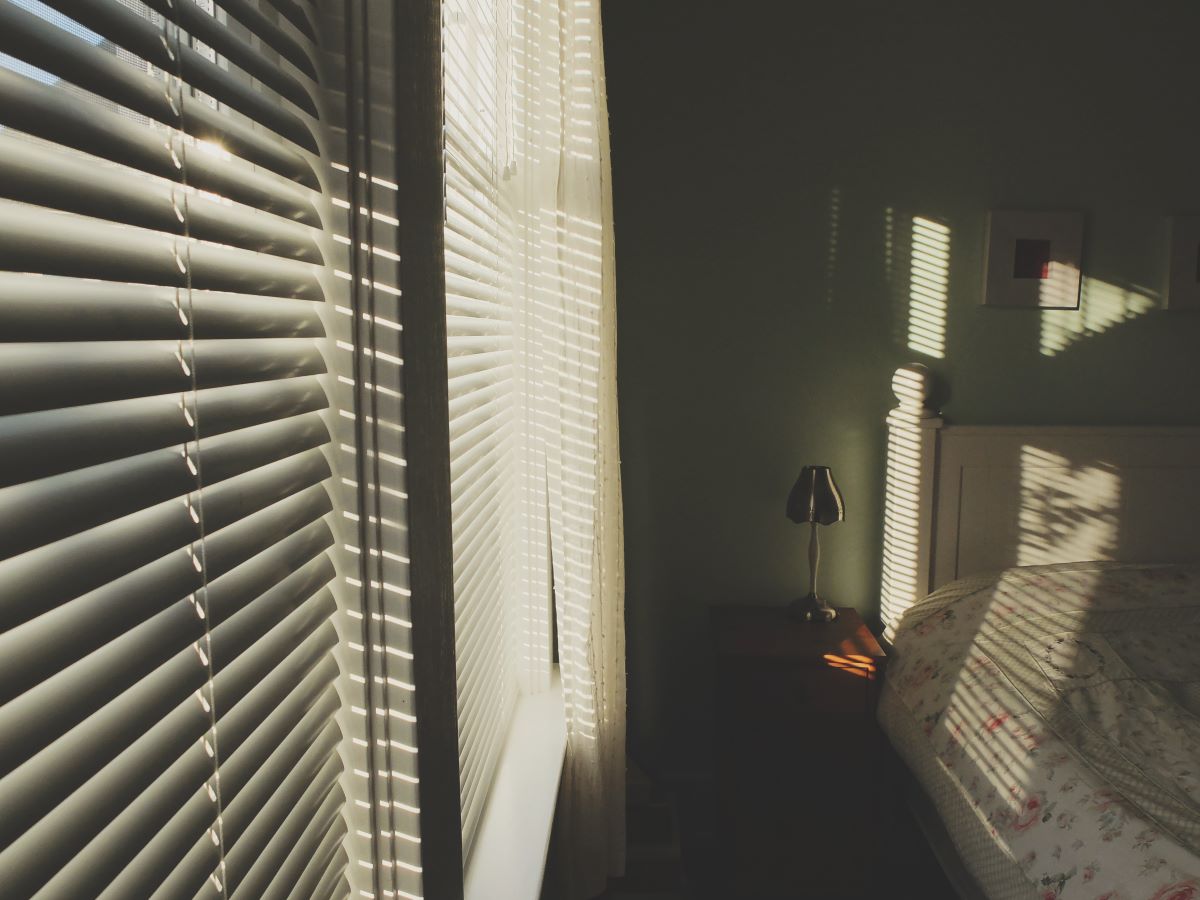
For bedrooms, the primary objective is often light control to optimize sleep quality. Blackout fabric blinds are the definitive solution here, acting as a shield against nocturnal light pollution. Beyond darkness, the choice of fabric can also contribute to the room’s overall mood. A soft, natural fiber blind can enhance a sense of calm and coziness, while a more patterned option might add a touch of personality without being overly stimulating. We recognize that the ability to completely seal out light can be a transformative element for those sensitive to illumination during sleep.
Welcoming Ambiance: The Living Room Experience
The living room is a space that demands versatility. Fabric blinds can provide adjustable levels of light, from bright and airy during the day to subtle and intimate in the evening. The aesthetic of the blinds should complement the room’s décor, acting as a subtle enhancement rather than an imposing feature. We find that fabrics with a slight texture or a subtle weave can add a layer of sophistication without overwhelming the visual field. The ability to diffuse harsh sunlight into a gentle glow is a key benefit in living areas, making them more comfortable and inviting.
Functional Zones: Kitchens and Home Offices
In kitchens, fabric blinds need to be durable and easy to clean, considering potential exposure to moisture and cooking oils. We often recommend synthetic blends or specially treated fabrics for this environment. Home offices benefit from blinds that can effectively manage glare on computer screens and provide privacy during virtual meetings.
Practicality Meets Style: The Kitchen Environment
Kitchens are dynamic spaces where form must meet function. Fabric blinds in this area need to withstand the occasional splash of water or grease, making materials that are easy to wipe down or clean a priority. We often lean towards synthetic fabrics like polyester for their stain resistance and ease of maintenance. The ability to control the amount of natural light entering the kitchen is also important, preventing direct glare on countertops and cooking surfaces. While maintaining practicality, the aesthetic should still contribute to the overall kitchen design, offering a touch of warmth and style.
Focused Productivity: The Home Office Workspace
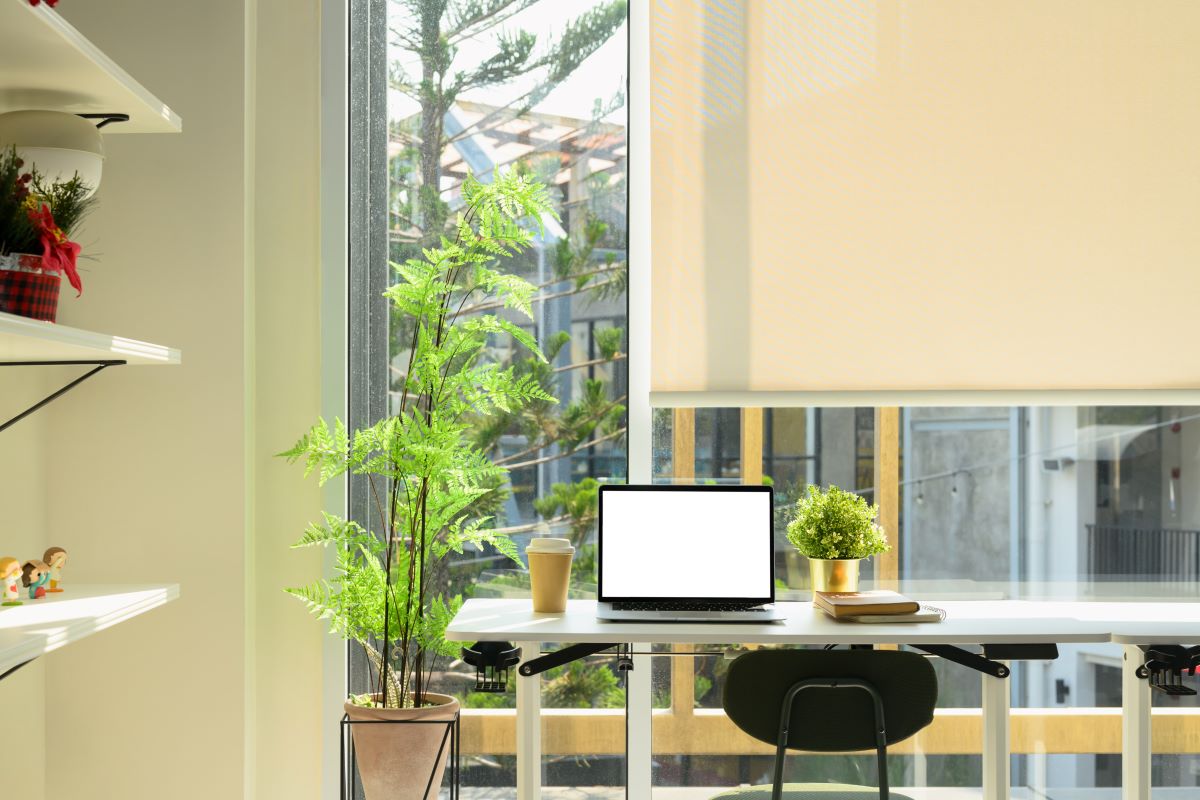
For home offices, glare reduction is paramount. Fabric blinds can provide a diffused light that minimizes eye strain and enhances screen visibility. The ability to control the level of light also allows for creating an optimal work environment, whether it’s maximizing natural light or providing a focused, less distracting atmosphere. We find that the subtle adjustments offered by fabric blinds can significantly impact the comfort and productivity of a home office. Furthermore, in shared living spaces, fabric blinds offer a way to visually demarcate the office area and create a sense of privacy.
Specialized Areas: Bathrooms and Dining Rooms
Bathrooms, with their high moisture levels, require materials that are resistant to mold and mildew. Some performance fabrics are specifically designed for these conditions. Dining rooms can benefit from fabric blinds that offer a sophisticated backdrop for meals, with options to create an intimate atmosphere or allow natural light to enhance the dining experience.
Moisture Resilience: The Bathroom Solution
Bathrooms present a unique challenge due to high humidity levels. The fabric blinds chosen for this space must be inherently resistant to moisture, mold, and mildew. We often recommend fabrics with inherent antimicrobial properties or those that are specifically treated for bathroom use. The ability to provide privacy without sacrificing natural light is also a key consideration in bathroom design. We find that the controlled diffusion of light can create a more spa-like and relaxing environment.
Elegant Entertaining: The Dining Room Setting
The dining room is a space often associated with gathering and conversation. Fabric blinds can contribute to this by creating an inviting ambiance. We can select blinds that offer a soft, warm light during evening meals, fostering intimacy, or allow for brighter, more natural light during daytime gatherings. The texture and color of the fabric can also serve as a subtle decorative element, enhancing the overall dining experience. Sheer fabric blinds can add a delicate layer of softness, while more opaque options can provide a greater sense of seclusion and focus.
If you’re considering fabric blinds for your home, you might also be interested in how different types of blinds can affect light control. For instance, Venetian blinds are known for their versatility in managing light levels, and you can read more about their effectiveness in blocking out light in this informative article. Understanding the benefits of various blind options can help you make the best choice for your space. Check out the article on Venetian blinds here for more insights.
Innovation and Future Trends in Fabric Blinds
<?xml encoding=”UTF-8″>
| Metric | Description | Typical Range | Unit |
|---|---|---|---|
| Light Transmission | Percentage of natural light allowed through the fabric | 5% – 50% | % |
| Fabric Thickness | Thickness of the fabric material used in blinds | 0.3 – 1.2 | mm |
| UV Protection | Effectiveness in blocking ultraviolet rays | 70% – 99% | % |
| Thermal Insulation | Ability to reduce heat transfer through windows | 0.2 – 0.5 | W/m²K |
| Durability | Expected lifespan under normal use | 5 – 15 | Years |
| Cleaning Frequency | Recommended interval for cleaning fabric blinds | 3 – 6 | Months |
| Roll Diameter | Diameter of the rolled fabric when fully retracted | 30 – 60 | mm |
The realm of window treatments is continuously evolving, driven by technological advancements and changing consumer preferences. We are witnessing a growing emphasis on sustainability, smart home integration, and personalized design solutions within the fabric blind market.
Sustainable Selections: Eco-Conscious Choices
There is a discernible shift towards eco-friendly materials and manufacturing processes. We are seeing an increase in blinds made from recycled materials or sustainable natural fibers, appealing to environmentally conscious consumers. The focus is on reducing environmental impact throughout the product lifecycle.
Recycled Materials: Giving Waste New Life
The incorporation of recycled polyester, for instance, allows for the creation of durable and stylish blinds while diverting waste from landfills. We recognize these advancements as a positive step towards a more circular economy within the textile industry.
Natural and Renewable Sources: Sustainable Harvesting
The use of sustainably harvested natural fibers, such as organic cotton or bamboo, further contributes to the eco-friendly profile of fabric blinds. We see this as a way to embrace natural beauty while minimizing our ecological footprint.
Smart Integration: The Future of Window Treatments
The integration of smart home technology is transforming the way we interact with our living spaces, and fabric blinds are no exception. Motorized blinds offer convenience and enhanced control, allowing for automated operation based on schedules or environmental conditions.
Automated Operation: Convenience at Your Fingertips
We are seeing a rise in motorized fabric blinds that can be controlled via remote, smartphone app, or voice commands. This automation adds a layer of convenience and can be particularly beneficial for hard-to-reach windows or for individuals with mobility challenges.
Environmental Responsiveness: Adapting to Your Needs
The potential for fabric blinds to respond to environmental cues, such as sunlight intensity or temperature, opens up possibilities for automated energy efficiency. We anticipate further development in this area, where blinds can proactively adjust to optimize natural light and thermal comfort, contributing to reduced energy consumption.
Bespoke Designs: Tailoring to Individual Style
The desire for personalized living spaces is driving demand for customized fabric blind solutions. Manufacturers are increasingly offering a wider range of fabrics, colors, patterns, and sizing options to cater to unique design requirements.
Customization Galore: From Fabric to Finish
We find that the ability to choose from an extensive library of fabrics, coupled with various header styles and finishing options, allows for the creation of truly bespoke window treatments that perfectly align with a homeowner’s vision. This level of personalization ensures that the fabric blind becomes an integral part of the interior design, rather than an afterthought.
Unique Prints and Textures: Expressing Individuality
The availability of custom printing services allows for the creation of blinds with unique patterns or even personal photographs, offering an unparalleled avenue for self-expression. We see this as a way for fabric blinds to transcend their functional role and become true artistic statements within a home.
In conclusion, fabric blinds are far more than mere window coverings; they are transformative elements that can significantly enhance both the functionality and aesthetic appeal of our living spaces. By understanding the diverse range of materials, the nuances of light control, and the impact of color and texture, we can make informed decisions that elevate our interiors. As technology and design continue to innovate, the role of stylish fabric blinds in creating personalized, comfortable, and beautiful homes is set to expand even further. We encourage a considered approach, where the fabric blind is viewed as a powerful design tool, capable of weaving a tapestry of style and comfort throughout our homes.
FAQs
What are fabric blinds?
Fabric blinds are window coverings made from various types of fabric materials. They provide privacy, control light, and add decorative elements to a room.
What types of fabric are commonly used for fabric blinds?
Common fabrics for blinds include cotton, polyester, linen, and blends. Some fabrics are treated for UV protection, stain resistance, or blackout capabilities.
How do fabric blinds differ from other types of blinds?
Fabric blinds are softer and more flexible than wood or metal blinds. They often offer better light diffusion and come in a wide range of colors and patterns for aesthetic appeal.
Can fabric blinds be customized to fit different window sizes?
Yes, fabric blinds can be custom-made to fit various window dimensions, including standard and irregular shapes, ensuring a perfect fit and optimal functionality.
How should fabric blinds be maintained and cleaned?
Maintenance typically involves regular dusting or vacuuming with a brush attachment. For deeper cleaning, some fabric blinds can be spot cleaned or professionally cleaned, depending on the fabric type and manufacturer instructions.