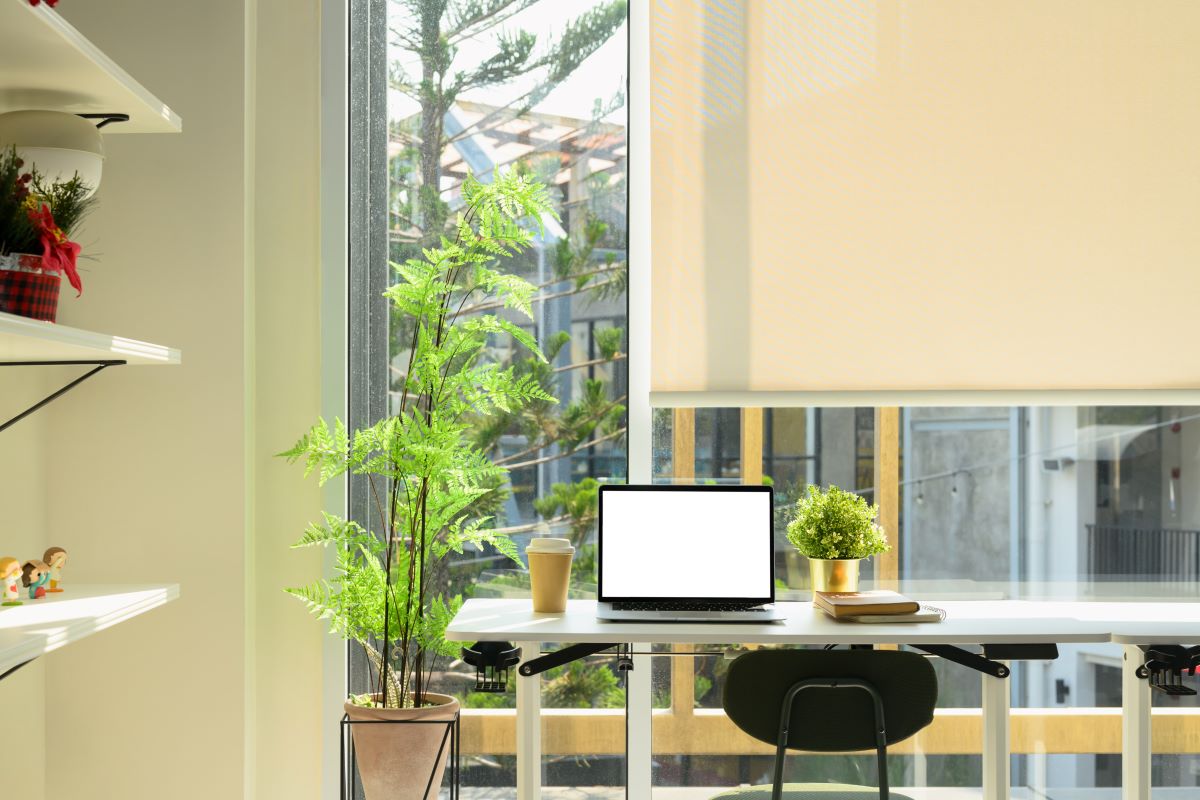
We’ve all been there. That moment when we walk into our kitchens, and it just feels… unfinished. The countertops gleam, the appliances hum with efficiency, but something is missing. For us, that “something” often turns out to be the perfect window dressing. We’ve discovered that stylish curtains are far more than just fabric; they’re the unsung heroes of kitchen décor, capable of transforming a mere functional space into a warm, inviting, and utterly charming heart of our homes.
For years, we treated our kitchen windows like an afterthought. Blinds were practical, sure, but they lacked personality. Shades offered a bit more refinement, but still felt somewhat austere. Then, one rainy afternoon, staring out at the dripping world, a thought struck us: what if we infused our kitchens with a touch of elegance and individuality through the simple addition of well-chosen curtains? The journey that followed has been an absolute revelation, and we’re eager to share our insights with you, fellow home enthusiasts, on how we’ve learned to spruce up our kitchens with stylish curtains.
Embracing the Transformative Power of Kitchen Curtains
It might seem like a small detail, but the impact curtains can have on a kitchen is monumental. We’ve witnessed firsthand how the right fabric, color, and style can completely alter the ambiance of a room. They’re not just about blocking out unwanted sunlight or providing privacy; they’re about layering in texture, injecting color, defining a style, and ultimately, making our kitchens feel more like us.
More Than Just Fabric: The Emotional Connection
We often overlook the emotional resonance of our home environments. For us, the kitchen is where so many memories are made. It’s where Sunday breakfasts are shared, where hurried weeknight dinners are prepared, where laughter rings out during holiday gatherings. Curtains, in their own quiet way, contribute to this emotional tapestry. A soft, flowing curtain can evoke a sense of calm and serenity. A vibrant, patterned curtain can inject a burst of joy and energy. We’ve come to realize that choosing kitchen curtains is also about choosing the feeling we want to cultivate in this vital space.
The Practical Benefits Beyond Aesthetics
While we are admittedly drawn to the aesthetic appeal, the practical benefits of kitchen curtains are undeniable. They offer a much-needed barrier against harsh sunlight, preventing potential fading of cabinetry and artwork. They can also help to insulate the room, keeping it warmer in the winter and cooler in the summer, contributing to energy efficiency. And, of course, for those who prefer a little more privacy, they provide a discreet screening against prying eyes. We’ve found that by strategically selecting curtains, we can enhance both the comfort and functionality of our kitchens.
Defining Your Kitchen’s Style with Fabric
The fabric of your curtains is the foundation upon which their style is built. We’ve learned that a lightweight linen will create a breezy, casual feel, perfect for a farmhouse-inspired kitchen. A heavier velvet, while less common for kitchens, could lend a surprisingly luxurious touch to a more formal dining area connected to it. We’ve experimented with various materials, from the crispness of cotton to the delicate drape of voile, and each has brought a unique character to our windows.
Cotton: The Versatile Classic
Cotton is our go-to for a reason. It’s durable, easy to clean, and comes in an endless array of patterns and colors. We’ve found it to be incredibly adaptable, working equally well in a modern minimalist kitchen with a simple solid hue or a country cottage kitchen adorned with cheerful gingham. Its breathability also makes it a good choice for areas that might experience a bit more moisture.
Linen: The Elegant Natural
For a touch of understated elegance, we turn to linen. Its natural texture lends a sophisticated yet relaxed vibe. We love how linen curtains soften the light and add a subtle coarseness that feels grounded and earthy. They’re perfect for achieving that effortless, lived-in look that makes a kitchen feel welcoming.
Polyester Blends: The Practical Powerhouse
When durability and ease of care are paramount, polyester blends are our champions. We’ve opted for these for highly trafficked kitchens where the curtains might endure more wear and tear. they are often wrinkle-resistant and can be surprisingly soft and luxurious. Their resilience is a major selling point for us.
Sheer Fabrics: The Lightness of Being
For those who want to maximize natural light while still adding a touch of softness, sheer fabrics like voile or organza are fantastic. We’ve used these to create a delicate, airy feel, allowing diffused sunlight to stream in. They offer a hint of privacy without completely obscuring the view, making them ideal for kitchens with beautiful outdoor scenery.
When considering the perfect kitchen curtains to enhance your home decor, it’s essential to explore various fabric options that can elevate the overall aesthetic. For more insights on how different curtain fabrics can transform your living space, check out this informative article on curtain fabrics at Apex Blind. This resource provides valuable tips and inspiration for selecting the right materials to complement your kitchen style.
The Art of Color and Pattern: Injecting Personality
This is where the fun truly begins for us – choosing the colors and patterns that will define our kitchen’s personality. It’s a chance to break away from the mundane and infuse the space with our unique style. We’ve learned that the right color and pattern can be the focal point of the kitchen, drawing the eye and creating a talking point.
Color Palettes: Harmonizing Your Kitchen’s Hues
Choosing the right color is crucial. We consider the existing colors in our kitchen – from the cabinets and countertops to the backsplash and appliances. We often aim for a harmonious flow, either by choosing a curtain color that complements our existing palette or by selecting a bolder shade that acts as an intentional accent.
Bold and Beautiful: Making a Statement
Sometimes, we just want to go for it. A vibrant kitchen curtain in a daring color can instantly elevate the entire space. We’ve embraced this approach in kitchens with neutral backdrops, allowing the curtains to become the star of the show. Think deep blues, cheerful yellows, or even a rich emerald green. These colors can inject a dose of personality and energy that is simply contagious.
Subtle Sophistication: Understated Elegance
On other occasions, we prefer a more understated approach. Soft pastels, muted earth tones, or creamy neutrals can create a sense of calm and sophistication. These colors are incredibly versatile and can adapt to a wide range of kitchen styles, from modern farmhouse to contemporary chic. They offer a touch of elegance without being overwhelming.
Pattern Play: Adding Visual Interest
Patterns are our secret weapon for adding depth and visual interest to our kitchens. They can break up large expanses of solid color and introduce a playful or sophisticated element. We’ve discovered that the scale and type of pattern can significantly alter the perception of the space.
Classic Stripes: Timeless Appeal
Stripes are a perennial favorite for a reason. They possess a timeless appeal that works in almost any kitchen. Horizontal stripes can visually widen a narrow kitchen, while vertical stripes can make the ceiling appear higher. We love them in both bold, graphic forms and subtle, delicate iterations.
Cheerful Gingham/Checks: A Country Classic
For that quintessential country kitchen feel, gingham and checks are unbeatable. We adore their charming and unfussy nature. They’re perfect for creating a warm and inviting atmosphere, reminiscent of cozy farmhouse kitchens. We’ve found them to be incredibly versatile, appearing just as lovely in a soft pastel as they do in a classic red and white.
Floral Fantasies: Blooming Beauty
Floral patterns can add a touch of romance and natural beauty to a kitchen. From delicate micro-florals to bold, statement blooms, there’s a floral print for every taste. We’ve found them to be particularly effective in bringing a sense of life and freshness to a space.
Geometric Grace: Modern and Chic
For a more contemporary aesthetic, geometric patterns are the way to go. They offer a sense of order and sophistication. From clean lines and sharp angles to more complex tessellations, geometric prints can add a dynamic and modern feel to the kitchen. They are particularly striking against sleek, minimalist cabinetry.
Choosing the Right Curtain Style for Your Kitchen Window
Beyond fabric and pattern, the style of the curtain itself plays a vital role in its overall impact. We’ve learned that different window shapes and sizes, as well as the surrounding cabinetry and the kitchen’s overall layout, all influence the best curtain style choice.
Tailored Perfection: The Classic Panels
These are the workhorses of the curtain world, and for good reason. Simple, elegant curtain panels can be incredibly versatile. We often opt for floor-length or sill-length panels, depending on the window and our design goals. Their clean lines and straightforward design make them a safe yet stylish choice for virtually any kitchen.
Floor-Length Drapes: Dramatic Elegance
While not always practical for every kitchen due to close proximity to countertops or work areas, floor-length drapes can offer a dramatic and luxurious feel, particularly in larger kitchens or those with dining nooks. They draw the eye downwards and can create a sense of grandeur.
Sill-Length Curtains: Practical and Pretty
Sill-length curtains are incredibly popular for kitchens because they offer a good balance of style and practicality. They reach the windowsill, providing privacy and light filtration without getting in the way of kitchen activities. They are also excellent for smaller windows.
The Charming Simplicity: Valances and Swags
Valances and swags are fantastic for adding a decorative flourish to the top of a window. They are often used in conjunction with blinds or other window treatments for added style and softness. We’ve found them to be a wonderful way to introduce a touch of charm and personality without the bulk of full curtains.
The Classic Valance: A Refined Edge
A valance is a short, decorative piece of fabric that hangs across the top of the window. It can be straight, gathered, or pleated, and it’s a wonderful way to frame the window and add a touch of formality or whimsy. We’ve particularly enjoyed using them to add a decorative edge to a more utilitarian window.
Elegant Swags: Flowing Grace
Swags are draped pieces of fabric that hang in graceful curves. They exude a sense of romance and elegance. We’ve found them to be particularly suited for kitchens with a more traditional or vintage aesthetic, adding a touch of old-world charm.
Functional Flair: Roman Shades and Blinds
While not strictly curtains, Roman shades and blinds offer a stylish and functional alternative in many kitchens. Their clean lines and ability to be raised and lowered with ease make them a practical choice. We’ve seen how a beautiful patterned Roman shade can be just as impactful as a flowing curtain.
Roman Shades: Sleek and Sophisticated
Roman shades, with their clean horizontal folds when raised, offer a sleek and sophisticated look. They are available in a wide range of fabrics and patterns, allowing for significant personalization. We’ve found them to be an excellent choice for modern kitchens where a minimalist aesthetic is desired.
Blinds: Versatile and Practical
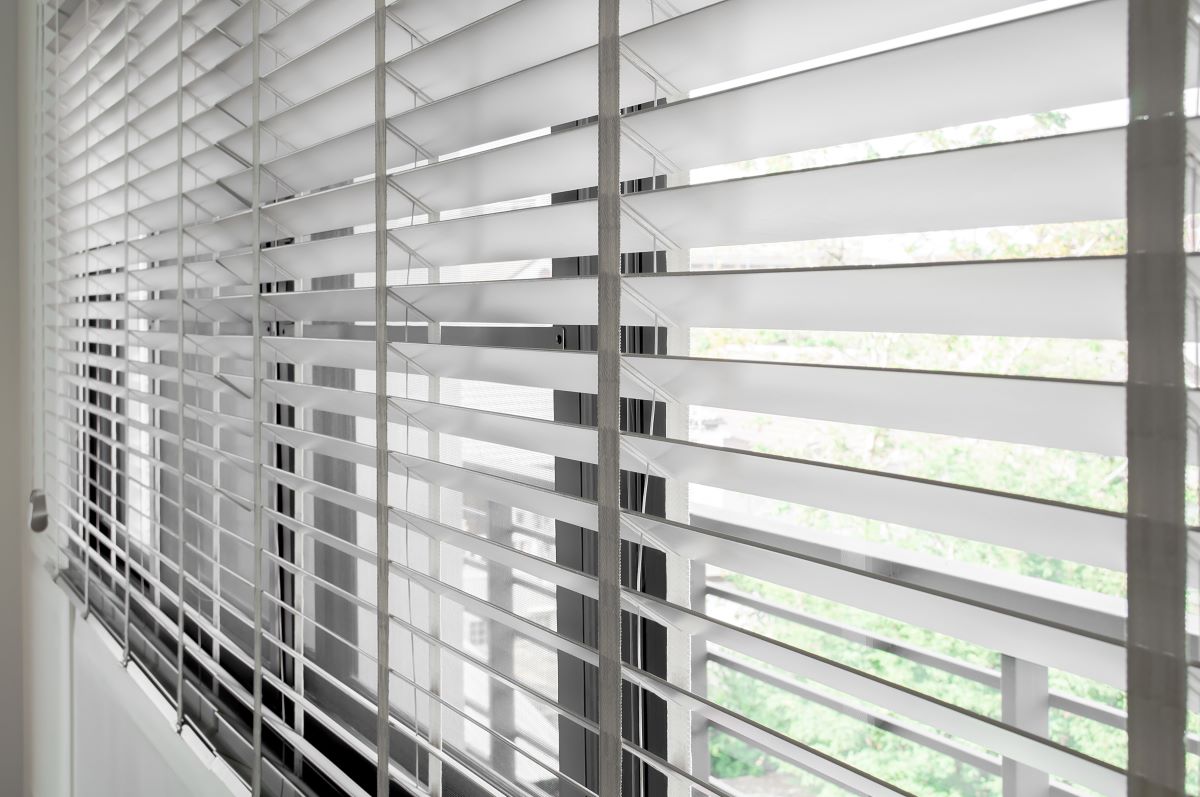
While blinds might be perceived as less “stylish,” there are numerous options that can elevate a kitchen. From the natural texture of bamboo blinds to the clean lines of faux wood blinds, they offer excellent light control and privacy. We’ve found ways to incorporate them in a way that still feels intentional and decorative.
Measuring and Hanging: The Key to a Polished Look
We can’t stress this enough: proper measuring and hanging are absolutely crucial for curtains to look their best. A poorly hung curtain can detract from even the most beautiful fabric. We’ve made our share of mistakes, but through trial and error, we’ve learned some valuable lessons.
Precision is Paramount: The Art of Measuring
Before we even think about buying curtains, we meticulously measure our windows. This involves measuring the width and length of the window frame, as well as considering where we want the curtain rod to be placed. We also factor in the desired length of the curtains – whether they should just kiss the windowsill, hang slightly below it, or sweep the floor.
Window Width: For Rod Placement
We measure the width of the window frame (or the area we want the curtains to cover) to determine the required width of the curtain fabric. For a fuller look, we often opt for curtains that are 1.5 to 2 times the width of the window.
Window Height: For Curtain Length
We measure the height from where the curtain rod will sit to the desired endpoint of the curtain. This is where we decide between sill-length, below-sill, or floor-length. It’s essential to be precise to avoid curtains that are too short or too long.
The Rod and Hardware: More Than Just a Hanger
The curtain rod and hardware are not just functional; they contribute significantly to the overall look of our window treatments. We’ve learned to consider the style and finish of the rod to complement the curtains and the kitchen décor.
Rod Styles: From Sleek to Ornate
We’ve explored a range of rod styles, from minimalist brushed nickel rods for modern kitchens to more ornate wrought-iron rods for a rustic farmhouse feel. The diameter of the rod also matters; a thicker rod can provide a more substantial look for heavier curtains.
Finials and Brackets: The Finishing Touches
Don’t underestimate the power of finials! These decorative caps on the ends of curtain rods can add a surprising amount of personality. We’ve seen how simple brass finials can add a touch of warmth, while crystal finials can bring a touch of glamour. Similarly, well-chosen brackets can also enhance the overall aesthetic.
The Magic of Hanging: Achieving a Professional Finish
Once we have our perfectly measured curtains and our chosen hardware, the hanging process is where the magic truly happens. We’ve learned that attending to small details can make a big difference.
Even Pleats and Folds: The Secret to Draping
We take the time to ensure that our curtains hang smoothly and evenly. This means aligning pleats, smoothing out any wrinkles, and making sure the fabric drapes gracefully. For pinch-pleated curtains, we often use curtain hooks to ensure consistent spacing and a neat appearance.
Level and Straight: Avoiding Lopsidedness
Using a level is non-negotiable for us. We ensure that the curtain rod is perfectly level and that the curtains hang straight. A lopsided curtain can be visually jarring and detract from the entire room.
When selecting the perfect kitchen curtains, it’s essential to consider how they complement the overall design of your space. For those looking to enhance privacy and light control, you might find it interesting to explore options like blackout blinds. These can be particularly effective in creating a cozy atmosphere while also serving a functional purpose. To learn more about these versatile window treatments, check out this informative article on blackout blinds in Singapore.
Beyond the Basics: Creative Curtain Ideas for Every Kitchen
As we’ve become more comfortable with the idea of kitchen curtains, we’ve started to push the boundaries and explore more creative and unconventional ideas. It’s all about making our kitchens truly unique.
Layering for Depth and Dimension
We’ve discovered that layering curtains can add incredible depth and dimension to a window. This could involve pairing sheer curtains with a more substantial fabric, or using a decorative valance over solid panels. This technique allows for a more dynamic and visually interesting effect.
Sheer Underneath, Opaque On Top: Best of Both Worlds
One of our favorite layering techniques is to use sheer curtains underneath heavier panels. This provides a beautiful diffused light during the day while offering full privacy and light blocking when the outer curtains are closed. It’s a practical and stylish solution.
Decorative Top Treatments: Adding a Flourish
We often use decorative valances or swags over simple curtain panels to add an extra layer of style. This can be a way to introduce a contrasting pattern or color, or simply to add a touch of embellishment that enhances the overall design.
Embracing Quirky and Unexpected Choices
For us, the kitchen is a place to express our personality, and that extends to our curtain choices. We’ve learned to embrace unique patterns, unconventional fabrics, and even DIY solutions.
Custom Creations: Sewing Our Own Style
There’s a immense satisfaction in sewing our own curtains. It allows us complete control over fabric, size, and style, and it can often be a more budget-friendly option. We’ve tackled simple no-sew projects and more complex projects, and each has been a rewarding experience.
Vintage Finds: Pre-loved Charm
Scouring vintage shops and flea markets for unique curtain panels or fabric remnants has become a favorite pastime. These pre-loved pieces often have a character and charm that modern fabrics can’t replicate, and they add a wonderful sense of history to our kitchens.
Window Treatments for Non-Traditional Kitchen Windows
Not all kitchen windows are created equal. We’ve had to get creative with uniquely shaped windows or those in unusual locations.
Bay Windows: Embracing the Curves
Bay windows offer a wonderful opportunity for layered window treatments. We’ve experimented with different lengths of curtains for each panel, or used individual shades for each section to allow for independent light control.
Round Windows: Soft and Stylish
Round windows can be a design challenge, but also a fantastic focal point. We’ve found that cafe curtains or simple valances can work beautifully, softening the edges and adding a touch of charm.
Over the Sink: Practicality Meets Panache
Kitchens with windows directly over the sink often require shorter curtains to avoid water splashes. Sill-length or cafe curtains are ideal here, allowing for light and a decorative touch without being a hindrance to our daily tasks.
In conclusion, we can confidently say that spruceing up our kitchens with stylish curtains has been one of the most rewarding décor decisions we’ve made. It’s a relatively simple change that yields significant aesthetic and emotional returns. From the initial thought of adding a splash of color to the meticulous process of measuring and hanging, each step has brought us joy and a deeper appreciation for the power of thoughtful design. So, we encourage you, our fellow home decorators, to embrace the transformative potential of kitchen curtains. Let them be the finishing touch that makes your kitchen not just a place for cooking, but a true sanctuary for gathering, creating, and making memories.
FAQs
What are kitchen curtains?
Kitchen curtains are window treatments specifically designed for use in the kitchen. They come in a variety of styles, materials, and lengths to suit different kitchen decor and window sizes.
What are the benefits of using kitchen curtains?
Kitchen curtains can provide privacy, control natural light, and add a decorative touch to the kitchen. They can also help to soften the overall look of the kitchen and complement the existing decor.
What are the different types of kitchen curtains available?
There are various types of kitchen curtains available, including cafe curtains, tier curtains, valances, and swag curtains. Each type offers different levels of coverage and style options.
How do I choose the right kitchen curtains for my kitchen?
When choosing kitchen curtains, consider the size and style of your windows, the overall decor of your kitchen, and your functional needs. It’s also important to consider the material and maintenance requirements of the curtains.
How do I care for and clean kitchen curtains?
The care and cleaning of kitchen curtains depend on the material. Some curtains can be machine washed, while others may require spot cleaning or professional dry cleaning. Always refer to the care instructions provided by the manufacturer.