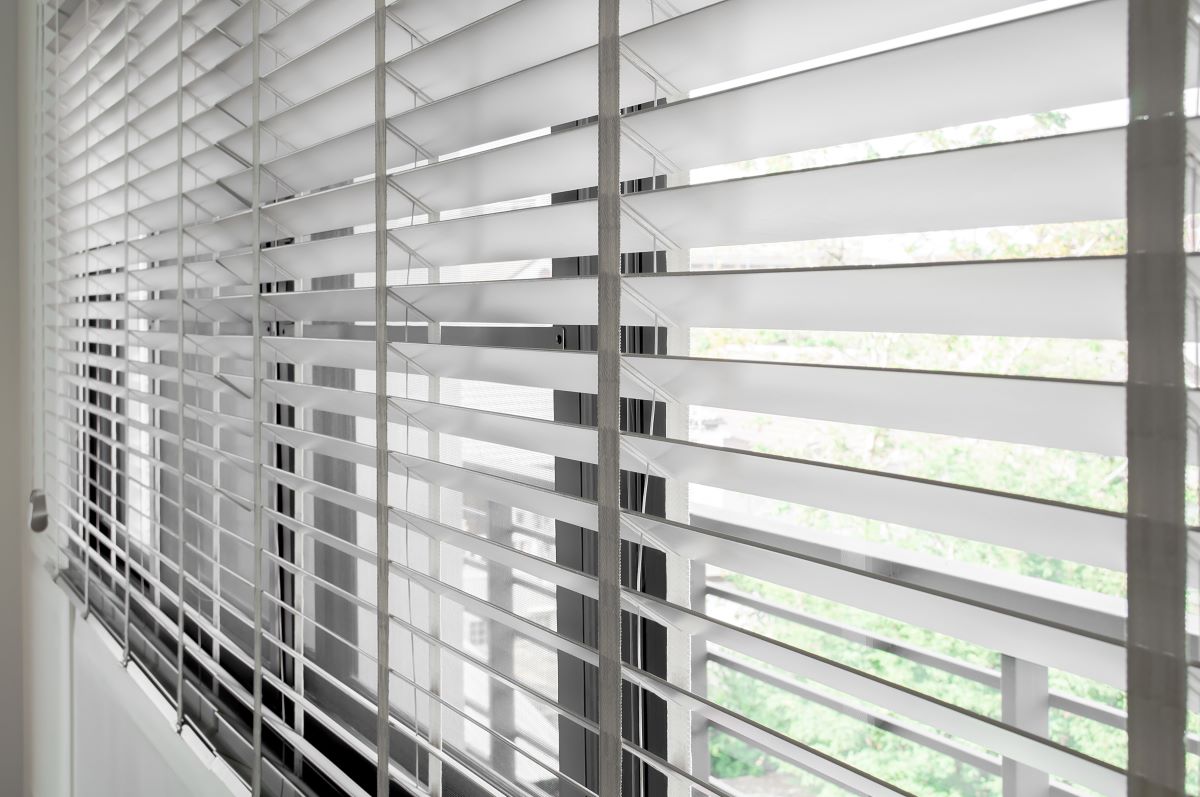
We often view our homes as canvases, and just as an artist meticulously chooses their palette, we select elements to define our living spaces. Among these foundational elements, window treatments play a surprisingly significant role, capable of transfiguring a room’s ambiance, functionality, and overall aesthetic. In this exploration, we will delve into the world of modern window treatments, examining how these seemingly simple additions can dramatically revamp our interiors.
Window treatments are not merely decorative additions; they are integral components of a room’s architecture. They control the ingress of light, provide privacy, regulate temperature, mitigate noise, and contribute significantly to the room’s visual narrative. The evolution of window treatment design has mirrored broader architectural and interior design trends, shifting from heavy, ornate drapery to sleeker, more adaptable solutions that prioritize both form and function.
Understanding the Multifaceted Role of Window Coverings
Before we can effectively revamp our spaces, we must first comprehend the multifaceted role that window coverings play. They are the intermediaries between our private sanctuaries and the external world, acting as filters for light, temperature, and even sound.
Light Control: The Art of Illumination
The most apparent function of any window treatment is its ability to control the amount and quality of light that enters a room. This is not merely about blocking sunlight; it is about sculpting the illumination to suit specific needs and moods.
Maximizing Natural Light
Modern designs often emphasize maximizing natural light, a strategy that not only enhances the sense of space and airiness but also contributes to our well-being. Light-adaptive materials and highly reflective linings can bounce daylight deeper into a room, reducing the reliance on artificial lighting during the day.
Diffusing Harsh Glare
Conversely, direct sunlight can be overpowering, creating glare that hinders activities and degrades furnishings. Treatments designed to diffuse light, such as sheer fabrics, woven wood shades, or frosted films, soften the intensity of sunlight, creating a more comfortable and visually pleasing environment.
Achieving Complete Darkness
For bedrooms, media rooms, or any space where complete darkness is desired, blackout treatments are essential. These are not simply thick fabrics; they are engineered materials that prevent light penetration, ensuring optimal conditions for sleep or viewing.
Privacy: Creating Personal Sanctuaries
The need for privacy is fundamental to our sense of security and comfort within our homes. Window treatments provide a vital barrier, allowing us to enjoy our indoor spaces without external observation.
Layering for Adaptable Privacy
Modern approaches often employ layering, combining different types of treatments to offer flexible privacy solutions. For example, a sheer roller blind can provide daytime privacy while allowing diffused light, and a heavier drapery can be drawn for complete concealment at night.
Strategic Material Selection
The choice of material plays a crucial role in determining the level of privacy. Opaque fabrics, solid blinds, and even certain perforated materials can offer varying degrees of concealment depending on their construction and density.
Thermal Regulation: The Unsung Heroes
Beyond light and privacy, window treatments are surprisingly effective tools for thermal regulation. They can act as insulators, helping to keep our homes cooler in the summer and warmer in the winter, thereby reducing energy consumption and utility bills.
Preventing Heat Gain
During warmer months, direct sunlight beaming through windows can significantly increase indoor temperatures. Strategically chosen treatments, particularly those with reflective surfaces or thermal linings, can deflect solar heat, preventing it from entering the living space.
Minimizing Heat Loss
In colder climates, windows can be a significant source of heat loss. Insulating window treatments, such as cellular shades or heavy drapes with thermal lining, create a barrier that traps warm air indoors, reducing the need for excessive heating.
Acoustic Comfort: Muting the External World
While not their primary function, some window treatments can contribute to acoustic comfort by absorbing and dampening external noise. This is particularly relevant in urban environments where traffic or other ambient sounds can be disruptive.
When considering modern window treatments, it’s essential to also think about their maintenance to ensure they remain fresh and clean over time. For valuable tips on how to care for your curtains and drapes, you can refer to this helpful article on curtain maintenance: Tips for Curtain Maintenance: Keeping Your Drapes Fresh and Clean. This resource provides practical advice that can help prolong the life of your window treatments while keeping your home looking stylish.
The Spectrum of Modern Window Treatments: From Sleek to Sophisticated
The term “modern window treatments” encompasses a diverse range of styles, materials, and functionalities that cater to contemporary design sensibilities. Gone are the days of one-size-fits-all solutions; today, homeowners have an expansive palette of options to choose from, each offering a unique blend of aesthetics and utility.
Roller Blinds: Simplicity and Versatility Personified
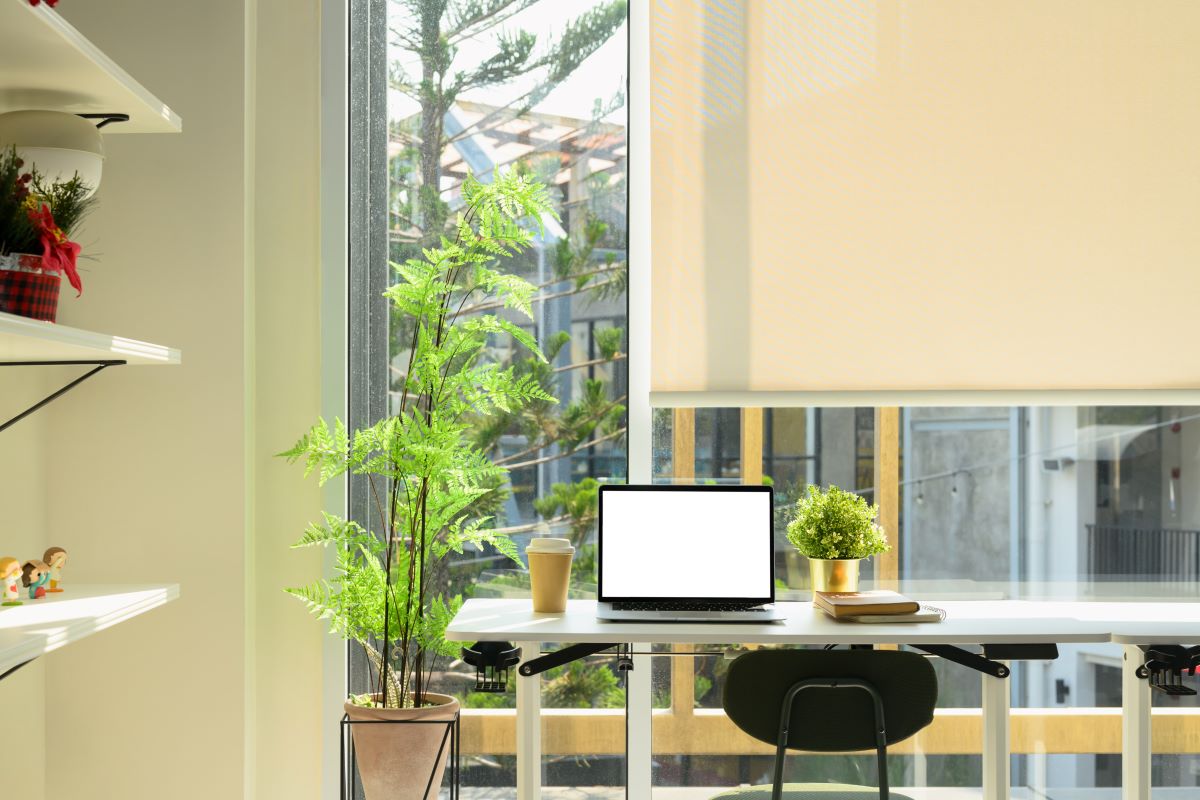
Roller blinds have experienced a significant resurgence in popularity due to their minimalist aesthetic and straightforward functionality. Their clean lines and unobtrusive design make them an ideal choice for a wide range of interior styles.
Fabric Choices: Beyond the Basic Opaque
The versatility of roller blinds is amplified by the vast array of fabric options available. These range from light-filtering sheers that gently diffuse sunlight to opaque fabrics that provide complete privacy and light control.
Sheer and Light-Filtering Fabrics
These options are perfect for living areas or spaces where a soft, diffused glow is desired. They offer a degree of privacy while still allowing natural light to permeate the room, creating an airy and inviting atmosphere.
Blackout and Dim-Out Fabrics
For bedrooms, media rooms, or any space where light control is paramount, blackout and dim-out roller blinds are indispensable. They effectively block out external light, ensuring optimal conditions for rest or entertainment.
Designer and Textured Fabrics
Beyond functional considerations, roller blinds can also make a significant decorative statement. Textured fabrics, intricate patterns, and unique material compositions allow them to act as a focal point within a room, adding depth and character.
Motorization and Smart Home Integration
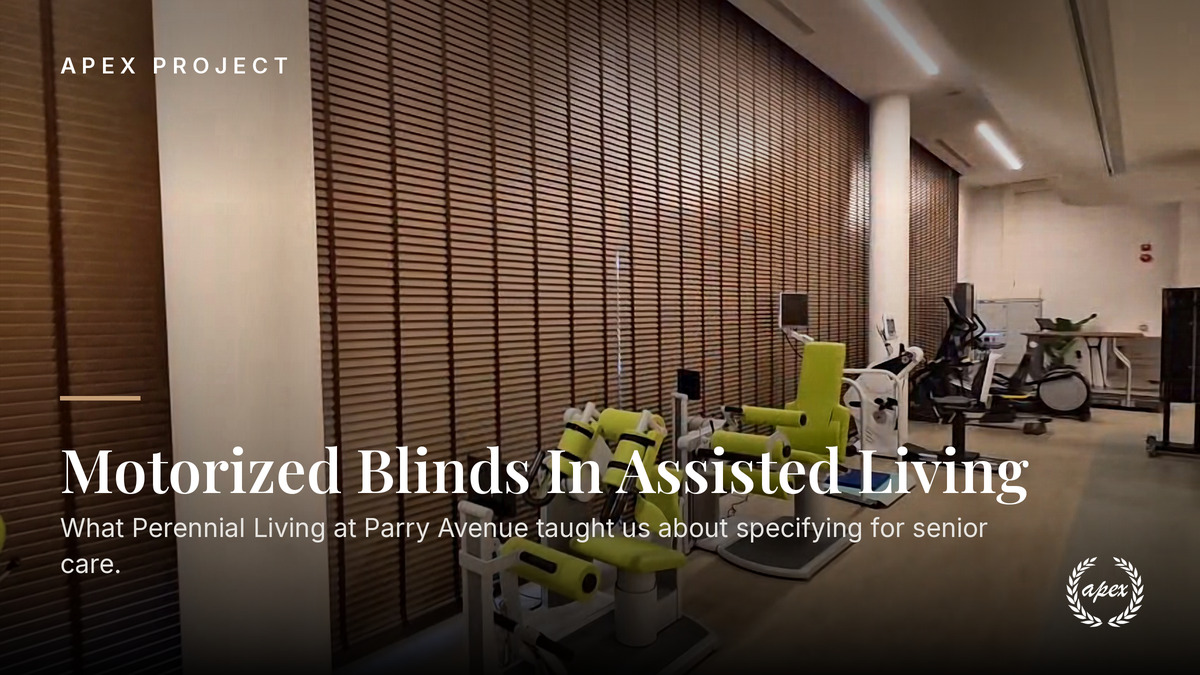
The evolution of roller blinds extends to their operational capabilities. Motorized options offer unparalleled convenience, allowing for effortless adjustment via remote control or integration with smart home systems.
Convenience at Your Fingertips
Imagine adjusting all your blinds simultaneously with the press of a button or a voice command. Motorization transforms mundane tasks into seamless technological experiences, enhancing the overall comfort and efficiency of the home.
Automated Scheduling for Energy Efficiency
Smart home integration allows for programmed operation, aligning blind adjustments with the sun’s path or pre-set schedules. This not only enhances convenience but also contributes to energy efficiency by optimizing natural light and thermal regulation.
Roman Blinds: The Epitome of Elegance and Structure
Roman blinds offer a sophisticated alternative to roller blinds, characterized by their soft folds and structured appearance. They bring a touch of classic elegance to modern interiors, providing both aesthetic appeal and practical functionality.
The Art of the Fold: From Flat to Stacked
The defining feature of Roman blinds is their unique folding mechanism. As they are raised, the fabric pleats accumulate, creating a visually appealing stacked effect at the top of the window.
Flat Roman Blinds
These maintain a smooth, flat appearance when lowered, offering a clean and contemporary look. They are ideal for rooms where a minimalist aesthetic is preferred and the drapery effect is less critical.
Hobbled (Puddled) Roman Blinds
In contrast, hobbled Roman blinds feature a more relaxed drape, with soft waves of fabric that cascade downwards. This style adds a touch of softness and opulence, often suitable for more traditional or transitional interiors.
Material Diversity for Style and Function
Similar to roller blinds, Roman blinds are available in a wide range of fabrics, allowing for customization to suit diverse design needs.
Luxurious Fabrics for a Statement Piece
Silks, velvets, and other high-end fabrics can transform Roman blinds into luxurious statements, adding texture, color, and visual interest to a room.
Practical and Durable Materials
For high-traffic areas or situations where durability is a concern, cotton, linen, and synthetic blends offer excellent performance without compromising on style.
Venetian Blinds: Precision Control and Timeless Appeal
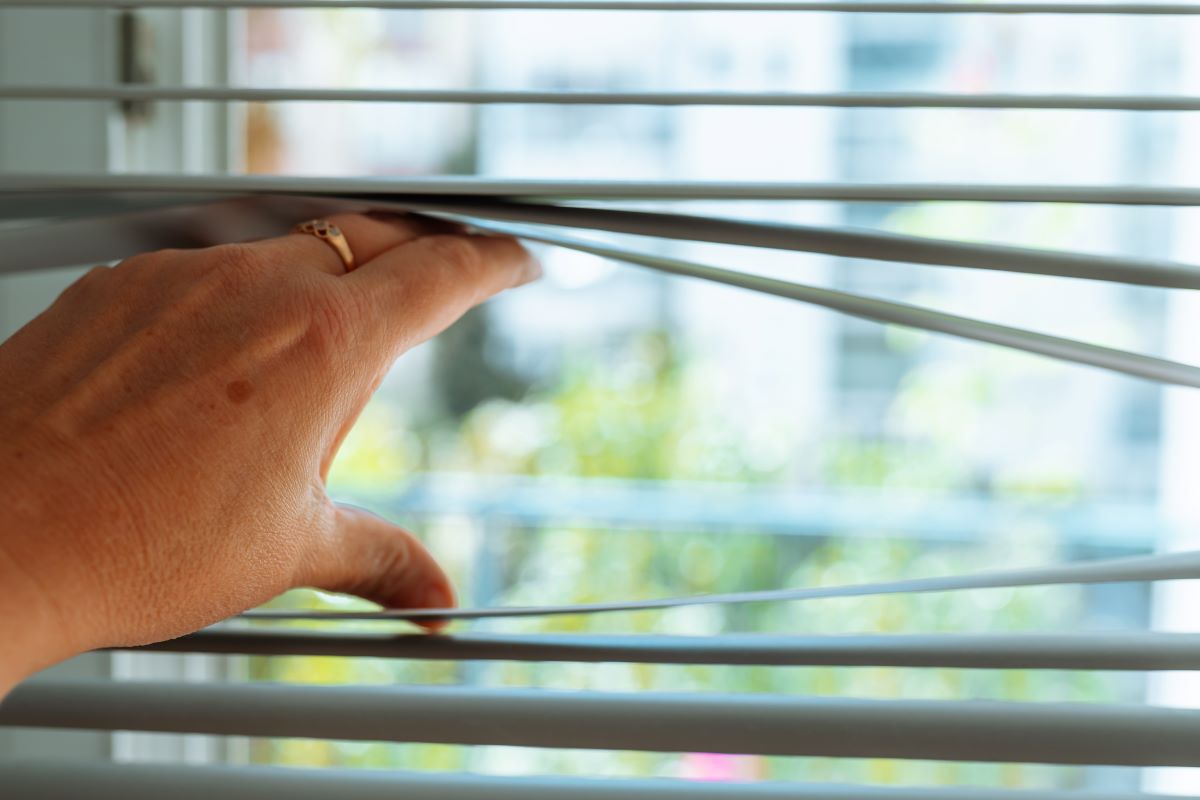
Venetian blinds, with their horizontal slats, offer a timeless appeal and a high degree of control over light and privacy. Their adjustable nature makes them a versatile choice for a variety of settings.
Slat Materials: From Classic Wood to Sleek Aluminum
The choice of slat material significantly influences the aesthetic and functionality of Venetian blinds.
Real Wood: Warmth and Natural Beauty
Wooden Venetian blinds exude a natural warmth and sophistication, adding a touch of organic texture to modern interiors. They are a popular choice for creating a cozy and inviting atmosphere.
Faux Wood: Durability and Moisture Resistance
For areas prone to moisture, such as bathrooms or kitchens, faux wood blinds offer the aesthetic of real wood with enhanced durability and resistance to warping.
Aluminum: Modernity and Durability
Aluminum Venetian blinds offer a sleek, contemporary look and are exceptionally durable and easy to maintain. They are often a preferred choice for commercial spaces or modern minimalist homes.
Tilt and Lift Mechanisms: Fine-Tuning Your Environment
The ability to precisely control the angle of the slats is the hallmark of Venetian blinds, offering granular control over light and visibility.
Precise Light Adjustment
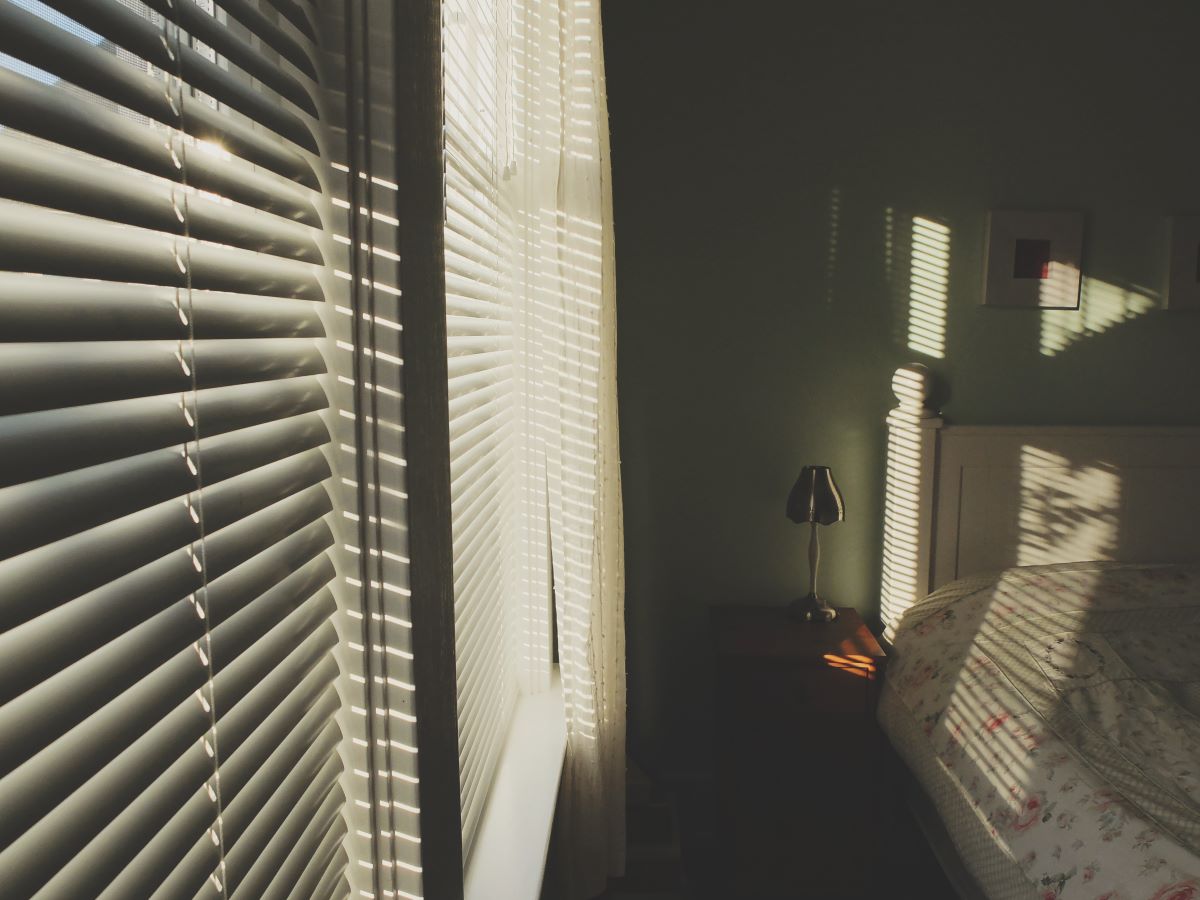
By tilting the slats, users can direct light where it’s needed most, minimize glare, or create ambient lighting effects, effectively becoming sculptors of their indoor atmosphere.
Enhanced Privacy Options
The adjustable slats provide a layered approach to privacy, allowing for visibility while simultaneously obscuring direct lines of sight.
Layering Techniques: The Art of Cohesion and Complexity
Modern window treatments are not always about a single solution. Often, the most impactful and aesthetically pleasing results are achieved through the strategic layering of different treatments. This approach allows for a synergistic interplay of light, texture, and functionality, transforming a simple window into a dynamic focal point.
Combining Functionality and Aesthetics Through Layering
Layering window treatments is akin to composing a piece of music, where different instruments and melodies come together to create a rich and harmonious whole. It’s about finding the right balance between utility and visual appeal.
The Synergy of Sheers and Drapes
A classic layering technique involves pairing sheer or light-filtering curtains with heavier, opaque drapes. This combination offers a versatile solution that caters to various needs throughout the day.
Daytime Privacy and Soft Light with Sheers
During daylight hours, the sheer curtains can be drawn, providing a soft diffusion of light and a degree of privacy without completely obscuring the outside world. This creates an ethereal and inviting ambiance.
Complete Darkness and Enhanced Insulation with Drapes
When the need arises for complete darkness or enhanced thermal insulation, the heavier drapes can be drawn over the sheers. This transformation is akin to dimming the stage lights to create a more intimate setting.
Roller Blinds as a Foundation Layer
Roller blinds can serve as an excellent foundational layer for other window treatments. Their unobtrusive nature makes them ideal for providing basic light and privacy control, over which more decorative elements can be added.
Creating a Blank Canvas
A neutral-colored roller blind can act as a blank canvas, allowing the true stars of the show – decorative drapery or top treatments – to shine without competing for attention.
Adding Texture and Depth with Accent Fabrics
Layering a textured or patterned Roman blind over a simple roller blind can introduce visual interest and depth, transforming a utilitarian window into a design statement.
Material Innovations and Sustainable Choices
The materials used in modern window treatments have evolved significantly, not only in terms of aesthetics but also in their environmental impact. As awareness of sustainability grows, designers and manufacturers are increasingly prioritizing eco-friendly and responsibly sourced materials.
Exploring Eco-Conscious Fabrics and Composites
The shift towards sustainability is evident in the crescente availability of window treatments made from recycled materials, organic fibers, and innovative composites.
Natural Fibers: Linen, Cotton, and Bamboo
These natural fibers offer a breathable and aesthetically pleasing option, often with a lower environmental footprint compared to synthetic alternatives. Their inherent textures can add a warm and organic feel to any space.
Recycled Materials: Giving Waste a New Life
Many manufacturers are now incorporating recycled plastics, metals, and other materials into their window treatments. This not only diverts waste from landfills but also reduces the demand for virgin resources.
Innovative Composites: Durability and Reduced Impact
Advancements in material science have led to the development of composite materials that offer superior durability and performance while minimizing environmental impact. These can include recycled wood composites or bio-plastics.
Smart Fabrics and Technologies
Beyond traditional materials, the development of smart fabrics and integrated technologies is further enhancing the functionality and sustainability of window treatments.
Thermally Insulating Fabrics
These fabrics are engineered with specialized weaves or coatings that enhance their ability to reflect solar heat and trap indoor warmth, contributing to reduced energy consumption.
UV-Blocking Treatments
Certain treatments are designed to block a significant portion of harmful ultraviolet (UV) rays, protecting furniture and flooring from fading and degradation. This extends the lifespan of interior furnishings and contributes to a healthier indoor environment.
When considering modern window treatments, roller shades have become increasingly popular due to their versatility and sleek design. They not only provide excellent light control but also enhance the aesthetic appeal of any room. For those looking to explore various options and styles, a great resource is the article on roller shades available at Apex Blind, which offers insights into the latest trends and practical tips for choosing the perfect shades for your home.
Integrating Window Treatments into Your Design Scheme
<?xml encoding=”UTF-8″>
| Type of Window Treatment | Material | Light Control | Energy Efficiency | Privacy Level | Maintenance | Average Lifespan (Years) |
|---|---|---|---|---|---|---|
| Motorized Roller Shades | Polyester, Solar Fabrics | High (varies with fabric) | Good (blocks UV rays) | Medium to High | Low (easy to clean) | 10-15 |
| Cellular Shades (Honeycomb) | Fabric with Air Pockets | Medium to High | Excellent (insulation) | High | Medium (vacuum recommended) | 8-12 |
| Wooden Blinds | Natural Wood | High | Moderate | High | Medium (dusting and polishing) | 10-20 |
| Sheer Curtains | Lightweight Fabric (Polyester, Linen) | Low to Medium | Low | Low to Medium | High (frequent washing) | 3-5 |
| Vertical Blinds | Fabric, PVC, Aluminum | Medium to High | Moderate | High | Medium (clean slats regularly) | 7-10 |
| Smart Glass (Electrochromic) | Glass with Tinting Technology | Variable (adjustable) | Excellent | High | Low (glass cleaning) | 15-20 |
The success of any window treatment revamp hinges on its harmonious integration into the overall interior design scheme. It’s about ensuring that the treatments don’t merely adorn the windows but become an intrinsic part of the room’s narrative, speaking the same visual language as the furniture, color palette, and architectural details.
Aligning Treatments with Architectural Style
The chosen window treatments should complement, not contradict, the architectural style of the building.
Modern Minimalist Aesthetics
For homes with clean lines and uncluttered spaces, sleek roller blinds, unadorned Roman blinds, or simple, tailored drapery in neutral tones are often the most fitting choices. The emphasis is on understated elegance and functionality.
Traditional and Transitional Spaces
In more traditional or transitional interiors, treatments that incorporate richer textures, more elaborate folds, or classic patterns can be employed. Layering with elegant drapes and valances can add depth and sophistication.
Color, Texture, and Pattern: The Building Blocks of Visual Harmony
The selection of color, texture, and pattern is paramount in ensuring that window treatments contribute positively to the room’s aesthetic.
The Power of Neutrality
Neutral-colored window treatments, such as whites, creams, greys, and beiges, offer unparalleled versatility. They act as a visual anchor, allowing other elements in the room to take center stage without creating a sense of visual dissonance.
Introducing Accent Colors and Bold Patterns
When the desire is to make a statement, introducing bold colors or striking patterns into window treatments can be a highly effective strategy. This is particularly impactful in rooms with a more subdued overall color palette.
The Tactile Dimension: Texture’s Role
Texture is often an overlooked element, yet it plays a crucial role in creating a rich and inviting sensory experience. Consider linen for its natural texture, velvet for its luxurious depth, or woven wood for its organic warmth.
Scale and Proportion: Getting the Size Right
Just as a poorly fitting garment can detract from personal style, window treatments that are out of scale can disrupt the visual harmony of a room.
Floor-to-Ceiling Drapery for Height and Drama
Extending drapery from the ceiling to the floor can create an illusion of greater height and add a sense of drama and sophistication. This technique can make even smaller rooms feel more expansive.
Carefully Sized Blinds for Functional Windows
For blinds, ensuring they are sized correctly to fit within the window frame or just outside it is crucial for both aesthetic appeal and functional efficiency. Ill-fitting blinds can appear cluttered and detract from the window’s intended purpose.
By thoughtfully considering these elements, we can ensure that our chosen modern window treatments become more than just functional additions; they become integral collaborators in the art of creating spaces that are not only beautiful but also deeply reflective of our individual styles and needs.
FAQs
What are modern window treatments?
Modern window treatments refer to contemporary styles and materials used to cover windows, including blinds, shades, shutters, and curtains designed with current trends, technology, and functionality in mind.
What materials are commonly used in modern window treatments?
Common materials include natural fabrics like linen and cotton, synthetic fabrics such as polyester, wood, faux wood, aluminum, and vinyl, often chosen for durability, ease of maintenance, and aesthetic appeal.
How do modern window treatments improve energy efficiency?
Many modern window treatments are designed with insulating properties that help regulate indoor temperatures by reducing heat loss in winter and blocking heat in summer, thereby improving energy efficiency and lowering utility bills.
Can modern window treatments be motorized or automated?
Yes, many modern window treatments can be motorized and integrated with smart home systems, allowing users to control them remotely via apps, voice commands, or automated schedules.
Are modern window treatments suitable for all types of windows?
Modern window treatments are versatile and can be customized to fit various window shapes and sizes, including standard, bay, skylight, and floor-to-ceiling windows, making them suitable for most residential and commercial spaces.