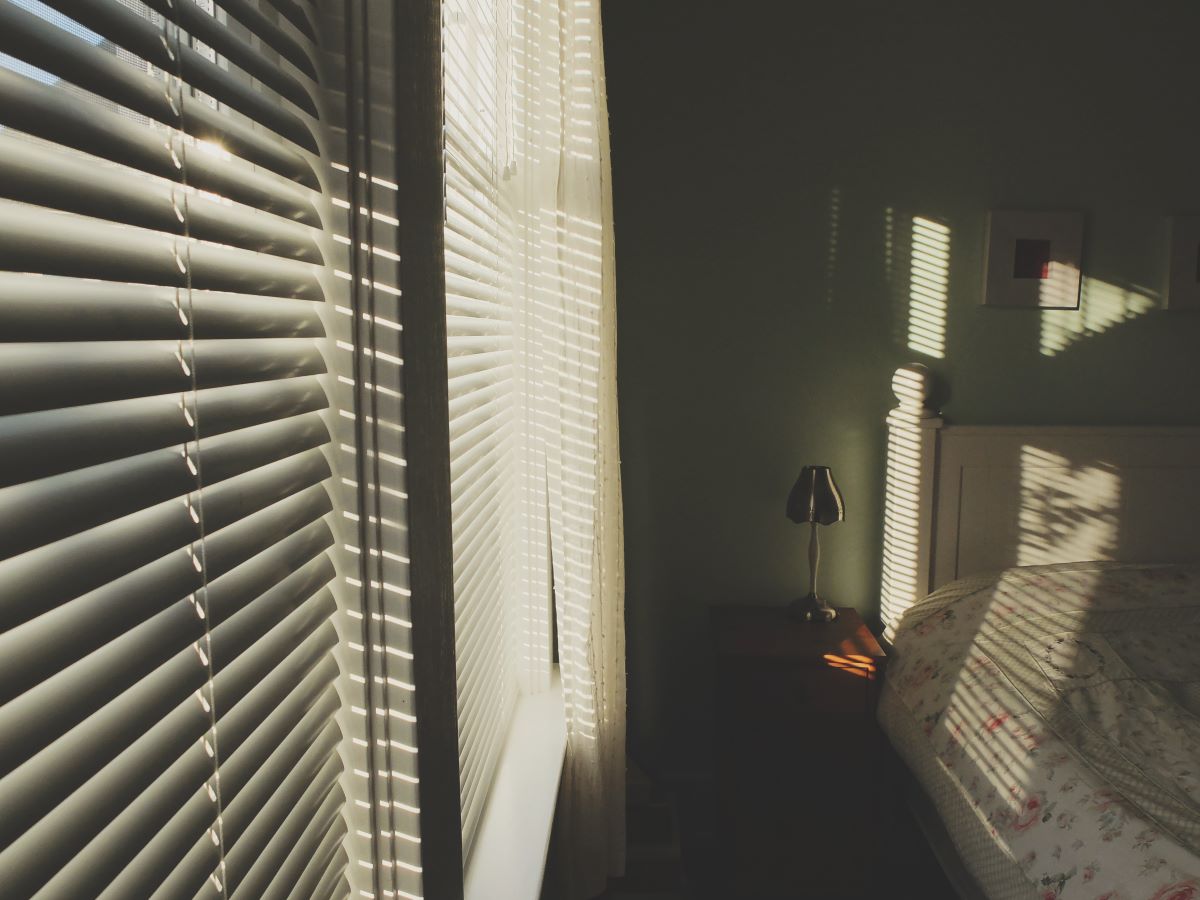
We all know that a good night’s sleep is essential for our overall health and well-being. But in today’s world, achieving that deep, restorative sleep can be a challenge. Light pollution, whether from streetlamps, electronic devices, or even a sliver of sunlight peeking through blinds, can significantly disrupt our natural sleep-wake cycle, known as the circadian rhythm. This is where blackout curtains come into play, offering a simple yet remarkably effective solution to enhance our sleep quality. We’ve found that incorporating them into our bedroom environment has made a discernible difference in how we feel, both during the day and at night.
The human body is intrinsically linked to the natural cycle of light and darkness. Our circadian rhythm, a roughly 24-hour internal clock, governs various physiological processes, including sleep and wakefulness. Light, particularly blue light emitted from screens, is a powerful signal to our brain that it’s time to be awake.
The Science of the Circadian Rhythm
Our internal biological clock is primarily regulated by the suprachiasmatic nucleus (SCN) in the hypothalamus of the brain. The SCN receives information about light exposure from our eyes. When light enters our eyes, even at low levels, it signals to the SCN that it is daytime. This triggers the suppression of melatonin, a hormone that promotes sleep, and the release of cortisol, a hormone that increases alertness. Conversely, as light decreases in the evening, melatonin production increases, signaling to our body that it is time to wind down and prepare for sleep.
Melatonin: The Sleep Hormone
Melatonin plays a crucial role in regulating our sleep-wake cycle. It is produced by the pineal gland, and its secretion is highly sensitive to light. Exposure to light, especially blue light, inhibits melatonin production. This means that even dim ambient light in our bedroom can trick our brain into thinking it’s still daytime, making it harder to fall asleep and stay asleep. Melatonin levels naturally rise in the evening, promoting feelings of drowsiness and preparing our body for rest.
The Disrupting Force of Artificial Light
In modern society, we are constantly exposed to artificial light, both indoors and outdoors. Streetlights, illuminated advertisements, and the ubiquitous glow of electronic devices can all contribute to light pollution. This constant exposure to light, particularly in the hours leading up to bedtime, can desynchronize our circadian rhythm. This leads to difficulty initiating sleep, fragmented sleep, and a general feeling of being unrested.
If you’re considering enhancing your home’s comfort and aesthetics, you might also want to explore the benefits of blackout curtains. These curtains not only provide privacy but also help in regulating room temperature and blocking out unwanted light. For more information on window treatments, including options like wooden blinds, check out this informative article on Venetian blinds: Venetian Blinds: The Ultimate Guide to Wooden Blinds.
How Blackout Curtains Create an Optimal Sleep Environment
Blackout curtains are specifically designed to block out nearly all ambient light, creating a dark sanctuary in our bedroom. This darkness is crucial for signaling to our brain that it’s time to sleep. The effectiveness of blackout curtains lies in their fabric composition and construction.
The Fabric Matters: Layers and Opacity
The effectiveness of blackout curtains is directly related to their construction. High-quality blackout curtains are typically made with multiple layers of fabric. The innermost layer is often an opaque fabric designed specifically to prevent light from passing through. This is often achieved through a dense weaving technique and the use of special dyes or coatings. The outer layers serve both aesthetic purposes and can also contribute to light blocking by providing additional material. The key is the complete lack of transparency – holding them up to a bright light should reveal no discernible light passing through.
The “Blackout” Guarantee: Degrees of Darkness
It’s important to note that the term “blackout” can be used somewhat loosely. While the best blackout curtains are designed to block 100% of light, some may allow for a very minimal amount of light leakage, especially around the edges if not properly installed. True blackout curtains will feel significantly heavier and thicker than standard curtains due to their specialized construction. We found that investing in reputable brands known for their light-blocking capabilities has yielded the best results.
Beyond Light Blocking: Thermal and Sound Insulation
While their primary function is light obstruction, blackout curtains often offer secondary benefits that further enhance our sleep environment. The dense fabric can act as an insulator, helping to keep our bedroom cooler in the summer and warmer in the winter. This temperature regulation can be conducive to better sleep, as our body temperature naturally drops during sleep. Additionally, the thicker fabric can help to dampen external noise, further contributing to a peaceful and undisturbed sleep environment.
Maximizing the Benefits: Proper Installation and Usage
Simply purchasing blackout curtains isn’t enough to guarantee optimal results. How we install and use them plays a significant role in how effectively they can create a dark sleep sanctuary. We learned that attention to detail during installation can make a considerable difference.
Achieving a Full Seal: Minimizing Light Gaps
The most common way light infiltrates a bedroom with blackout curtains is through gaps around the edges. To prevent this, we ensure our curtains extend beyond the window frame on all sides – both horizontally and vertically. Mounting the curtain rod higher and wider than the actual window is a simple yet effective strategy. Furthermore, we considered using Velcro along the sides of the curtains and the wall, or specialized clips, to create a more complete seal. The goal is to create a continuous barrier that light cannot penetrate.
Curtain Rods and Hardware: Choosing Wisely
The type of curtain rod and hardware we use can also impact light blocking. Wrap-around curtain rods, for instance, are designed to curve back towards the wall, significantly reducing light leakage from the sides. If wrap-around rods aren’t the desired aesthetic, ensuring the curtain rod is mounted close to the wall helps minimize the gap. We also paid attention to the gap between the curtain rod and the top of the curtains; a generous header or pleating can help obscure this area.
Daily Routine Integration: Consistent Darkness
For our circadian rhythm to truly benefit, using blackout curtains consistently is key. We make it a habit to close our blackout curtains as soon as it begins to get dark outside, signaling to our bodies that it’s time to wind down. This establishes a clear distinction between daytime and nighttime, even if it’s only artificial dusk outside. In the morning, we delay opening them until we are ready to wake up, allowing our body to naturally transition out of sleep without the jarring intrusion of early morning light.
Beyond the Bedroom: Strategic Use in Other Areas
While bedrooms are the primary focus for blackout curtains, their benefits can extend to other areas of our home where light control is important for sleep or rest. We’ve found them to be useful in other spaces to improve the overall sleep hygiene of our household.
Nurseries and Children’s Rooms
For infants and young children, establishing healthy sleep patterns is paramount. Blackout curtains in nurseries can be invaluable for nap times and ensuring nighttime sleep is uninterrupted by external light. This creates a consistent and predictable sleep environment, which is crucial for developing healthy sleep habits. We’ve noticed that our children are able to fall asleep more easily and stay asleep longer in rooms where light is effectively blocked.
Home Offices and Media Rooms
For those who work from home or enjoy movie nights, blackout curtains can transform these spaces. In a home office, they can reduce glare on computer screens, improving comfort and focus. In a media room, they create a more immersive cinematic experience by eliminating distracting light. While not directly for sleep, the reduction of visual stimuli can contribute to a more restful state, especially in a home office environment where work-life boundaries can blur.
Travel and Temporary Solutions
The benefits of darkness for sleep are universal, and blackout curtains can be adapted for travel. Portable blackout blinds or temporary blackout solutions can be a lifesaver when staying in hotels or unfamiliar environments where light control is poor. Many travel versions are adhesive and easily removed, offering a convenient way to maintain a dark sleep environment on the go. We’ve packed them for weekend trips and found them to be a game-changer for adjusting to new sleeping arrangements.
If you’re considering enhancing your home’s comfort and aesthetics, you might find it helpful to explore the benefits of blackout curtains. These curtains not only block out unwanted light but also contribute to energy efficiency by insulating your windows. For more insights on how to choose the perfect window treatments for your space, check out this informative article on window coverings.
Blackout Curtains as a Component of Holistic Sleep Hygiene
<?xml encoding=”UTF-8″>
| Feature | Description |
|---|---|
| Material | Thick fabric that blocks light |
| Light Blocking | Blocks 99% of light |
| Insulation | Provides thermal insulation |
| Size Options | Available in various sizes |
| Colors | Available in multiple colors |
While blackout curtains are a powerful tool, they are most effective when integrated into a broader approach to sleep hygiene. They are not a magic bullet but a significant contributing factor to achieving better sleep.
Creating a Consistent Sleep Schedule
Along with darkness, maintaining a regular sleep schedule – going to bed and waking up around the same time each day, even on weekends – is fundamental to regulating our circadian rhythm. Blackout curtains help reinforce this schedule by creating the ideal internal environment for sleep, regardless of external light conditions. This predictability helps our body’s internal clock function more efficiently.
Establishing a Relaxing Bedtime Routine
A calming bedtime routine signals to our body that it’s time to transition from wakefulness to sleep. This could include activities like reading a book, taking a warm bath, or practicing meditation. By reducing light exposure with blackout curtains as part of this routine, we amplify the signals of relaxation and prepare our mind and body for rest. The dim, comforting environment created by the curtains can make these activities more effective.
Optimizing Bedroom Environment Beyond Light
Beyond light, other factors contribute to a healthy sleep environment. We ensure our bedroom is cool, quiet, and comfortable. This includes maintaining an optimal temperature, minimizing noise distractions, and ensuring our mattress and pillows are supportive and comfortable. Blackout curtains complement these efforts by addressing the crucial element of light. Addressing all these aspects collectively creates a more conducive atmosphere for deep, restorative sleep.
In conclusion, we have found that embracing blackout curtains has been a practical and highly effective step in our journey towards maximizing sleep quality. By understanding the science behind light and our circadian rhythm, and by implementing blackout curtains thoughtfully, we can create a sleep sanctuary that promotes deeper, more restorative rest, ultimately leading to improved overall health and well-being. The ability to control our sleep environment, even the subtle intrusion of light, has proven to be a powerful factor in how we feel daily.
FAQs
What are blackout curtains?
Blackout curtains are window treatments made from heavy, opaque fabric that is designed to block out light. They are often used in bedrooms, home theaters, and other spaces where light control is important.
How do blackout curtains work?
Blackout curtains work by using multiple layers of densely woven fabric to block out light. The fabric is designed to absorb and block light, preventing it from passing through the curtains and into the room.
What are the benefits of using blackout curtains?
The benefits of using blackout curtains include improved sleep quality by creating a dark environment, increased privacy, reduced energy costs by insulating against heat and cold, and protection of furniture and flooring from sun damage.
How do I choose the right blackout curtains for my space?
When choosing blackout curtains, consider the color, length, and width of the curtains to ensure they fit your space and decor. Look for curtains with a high level of light-blocking capability, such as those with a blackout lining or multiple layers of fabric.
Are blackout curtains easy to install and maintain?
Blackout curtains are typically easy to install and maintain. They can be hung using a curtain rod or track, and many are machine washable for easy cleaning. Be sure to follow the manufacturer’s instructions for installation and care.