We are constantly seeking ways to improve our homes, to make them more comfortable, efficient, and ultimately, more cost-effective. In our pursuit of these goals, we often focus on major appliances or insulation, overlooking simpler, yet powerful, solutions. One such overlooked hero in the realm of home energy savings is the humble window covering, specifically, the modern, intelligent iteration: smart blinds. We can harness their capabilities to significantly reduce our energy consumption, leading to tangible savings on our utility bills and a more sustainable lifestyle.
Our windows, while providing essential light and views, are also significant pathways for heat transfer. During the colder months, they can be a major source of heat loss, allowing the warmth generated within our homes to escape into the atmosphere. Conversely, in warmer periods, they can act as conduits for unwanted solar heat gain, forcing our air conditioning systems to work overtime to maintain a comfortable temperature. This constant battle against the elements, driven by the thermal properties of our windows, contributes substantially to our overall energy expenditure.
The Science of Heat Transfer Through Glass
We need to appreciate the fundamental principles at play. Heat transfer occurs through three primary mechanisms: conduction, convection, and radiation. In the context of windows, all three play a role. Conduction is the direct transfer of heat through solid materials. Glass itself, while a poor conductor compared to metals, still allows some heat to pass through. Convection involves the movement of heat through fluids, like air. Air currents near the window surface can carry heat away from or towards the glass. Radiation is the transfer of heat through electromagnetic waves, such as sunlight. Solar radiation is a powerful source of heat gain.
Quantifying Heat Loss and Gain
We can quantify these phenomena using metrics like the U-value and the Solar Heat Gain Coefficient (SHGC). The U-value measures how well a window insulates, with lower U-values indicating better insulation. The SHGC measures how much solar radiation is transmitted through the window, with lower SHGC values reducing heat gain from the sun. Understanding these values helps us recognize the inherent thermal challenges presented by our windows.
Energy-saving blinds are an excellent way to enhance your home’s energy efficiency while adding a touch of style. For those interested in exploring the benefits of wooden Venetian blinds, a related article can provide valuable insights into their design and functionality. You can read more about these stylish options and how they contribute to energy conservation by visiting this link: Wooden Venetian Blinds.
The Role of Smart Blinds in Energy Management
Smart blinds, unlike their manual counterparts, offer a level of automation and responsiveness that allows for proactive energy management. They can be programmed to adjust their position based on schedules, light sensors, or even external weather data. This intelligent control transforms passive window coverings into active participants in our home’s energy efficiency strategy. We are no longer at the mercy of static coverings; we have a dynamic system working for us.
Automation for Optimal Performance
The core strength of smart blinds lies in their automation. We can set them to open and close at specific times, coinciding with the sun’s trajectory throughout the day and year. This allows us to maximize natural light when it’s beneficial and minimize heat transfer when it’s detrimental. For instance, during the cooler winter months, we can program them to open during peak sunlight hours to allow passive solar heating, reducing the need for artificial heating. Conversely, in the summer, we can schedule them to close during the hottest parts of the day to block out intense solar radiation, thereby reducing the cooling load on our air conditioning.
Integration with Smart Home Ecosystems
Many smart blind systems are designed to integrate seamlessly with broader smart home ecosystems. This allows for even more sophisticated energy management strategies. We can connect them to our smart thermostats, which can communicate temperature data, or to smart home hubs that can access real-time weather forecasts. This interconnectedness enables a holistic approach to home energy optimization, where different devices work in concert to achieve the most efficient outcome.
Maximizing Solar Heat Gain in Winter
During the winter months, our primary energy concern is often keeping our homes warm. While our heating systems are essential, we can significantly supplement them by strategically utilizing passive solar heating. Smart blinds empower us to do this with minimal effort.
Daytime Sun Exposure
We can program our smart blinds to automatically open on the sunny side of our homes during daylight hours. This allows the sun’s rays to penetrate deep into our living spaces, warming floors, furniture, and walls. This absorbed heat is then slowly re-radiated throughout the day and into the evening, providing a consistent and free source of warmth.
Automated Closing for Insulation
As the sun begins to set or on overcast days, we can program our smart blinds to automatically close. This creates an additional insulating layer between the warm interior air and the colder exterior. The material of the blinds, combined with the trapped air pocket between the blind and the window, helps to reduce heat loss through conduction and convection, effectively acting as a thermal barrier.
Scheduling for Peak Efficiency
The beauty of smart blinds is their ability to learn and adapt. We can fine-tune schedules based on the specific orientation of our windows and the typical weather patterns in our region. For example, east-facing windows will receive direct sunlight earlier in the morning than west-facing windows. Smart blinds can be programmed accordingly. We can also integrate them with smart home sensors that detect when the sun has gone down, triggering an immediate closing sequence.
Minimizing Solar Heat Gain in Summer
The opposite challenge presents itself during the summer: preventing excessive heat from entering our homes. Uncontrolled solar heat gain can lead to uncomfortably high indoor temperatures and drastically increase our reliance on air conditioning, a significant energy consumer. Smart blinds are instrumental in mitigating this issue.
Blocking Direct Sunlight
We can program our smart blinds to automatically close or partially close during the hottest parts of the day, especially on windows that receive direct sunlight. This physically blocks the sun’s infrared radiation from entering our homes and contributing to the indoor temperature. Even a slight reduction in direct sunlight can make a noticeable difference in the thermal comfort of a room.
Utilizing Reflective Properties
Many smart blind materials incorporate reflective surfaces or coatings that are designed to bounce solar radiation back outwards. By strategically positioning these blinds, especially during peak sun hours, we can deflect a substantial portion of the sun’s energy before it even has a chance to heat the interior surfaces of our homes.
Zoned Cooling Strategies
Smart blinds can also be integrated into zoned cooling strategies. If certain rooms in our home tend to get hotter than others, we can configure their smart blinds to respond independently. This allows us to focus cooling efforts where they are most needed, rather than indiscriminately cooling the entire house. For example, a south-facing bedroom might require its blinds to be mostly closed throughout the afternoon, while a north-facing living room might benefit from more natural light.
Energy-saving blinds are an excellent way to enhance your home’s efficiency while adding a touch of style. To complement your efforts in maintaining a comfortable indoor environment, it’s also essential to consider the upkeep of your window treatments. For tips on how to keep your drapes looking fresh and clean, you can check out this helpful article on curtain maintenance. By combining energy-saving solutions with proper care, you can ensure that your living space remains both beautiful and energy-efficient.
Enhancing Insulation and Reducing Drafts
<?xml encoding=”UTF-8″>
| Blind Type | Energy Saving Rating | UV Protection |
|---|---|---|
| Cellular Shades | High | Yes |
| Solar Shades | Medium | Yes |
| Blackout Blinds | Low | No |
Beyond their direct interaction with sunlight, smart blinds also contribute to energy savings by improving the overall insulation of our windows and reducing unwanted air infiltration, commonly known as drafts.
Creating an Insulating Air Gap
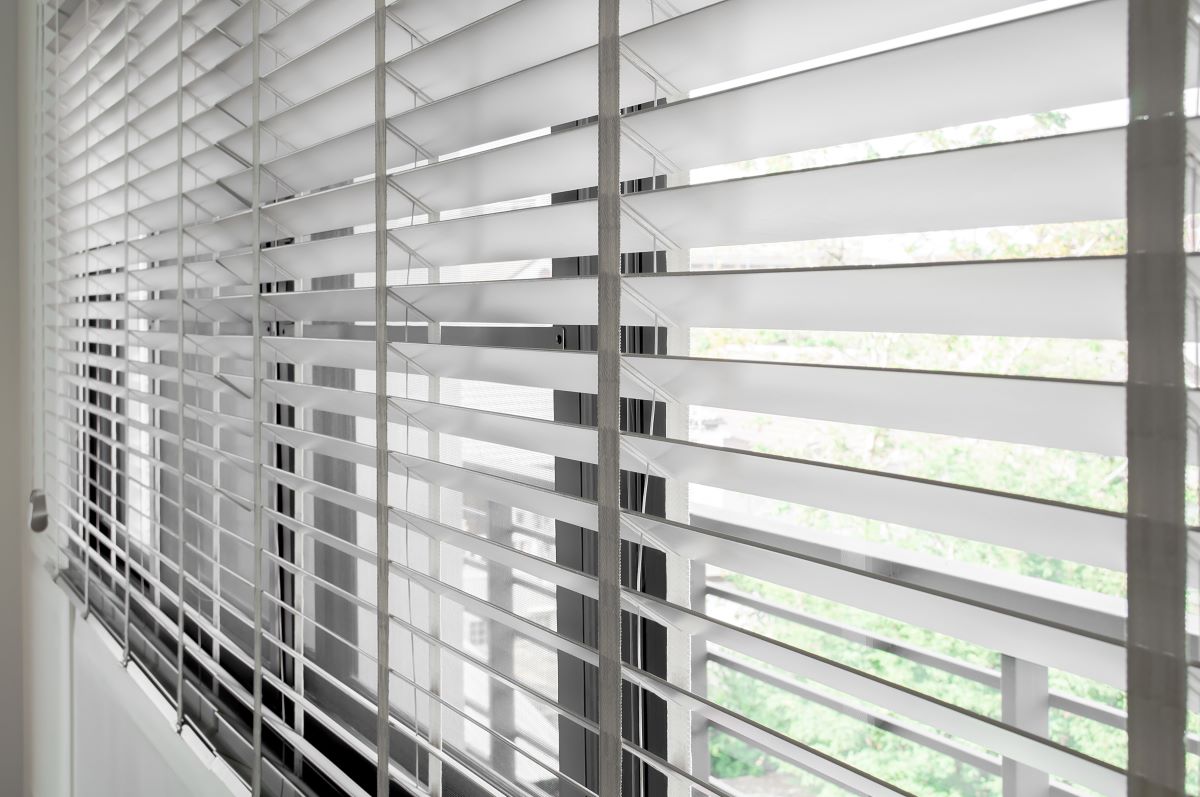
When blinds are closed, they create a pocket of air between the blind material and the window pane. This trapped air acts as an insulator, slowing down the transfer of heat. The effectiveness of this insulating layer is dependent on the type of blinds and how well they seal against the window frame. Cellular or honeycomb blinds are particularly effective in this regard due to their trapped air pockets.
Sealing Against Frames
High-quality smart blind systems are designed to fit snugly within window frames. This close fit helps to minimize gaps where air can leak in or out. By reducing drafts, we prevent conditioned air from escaping our homes during the winter and prevent unconditioned air from entering during the summer, contributing to a more stable internal temperature and less work for our HVAC systems.
Material Matters
The material of the smart blind itself plays a role in its insulating capabilities. Thicker, denser fabrics, or those with thermal linings, will offer superior insulation compared to thin, sheer materials. Many smart blinds are available with options for thermal insulation, allowing us to select the most energy-efficient choice for our needs.
Energy-saving blinds have become increasingly popular among homeowners looking to reduce their energy bills while enhancing their living spaces. These innovative window treatments not only provide privacy and style but also help regulate indoor temperatures by minimizing heat loss in winter and blocking out excess heat in summer. For those interested in exploring different options, a related article on PVC Venetian blinds can be found here, offering insights into their benefits and features. By choosing the right blinds, you can create a more energy-efficient home while enjoying the aesthetic appeal they bring.
Smart Blinds as Part of a Comprehensive Energy Strategy
It is important to view smart blinds not as a standalone solution, but as a valuable component within a broader energy-saving strategy for our homes. They work best in conjunction with other energy-efficient measures.
Complementing Existing Insulation and Windows
While smart blinds can significantly improve the thermal performance of existing windows, they are not a substitute for proper insulation and energy-efficient window replacements. Ideally, they are implemented alongside these foundational improvements for maximum benefit.
Synergy with Smart Thermostats
The true power of smart blinds is unlocked when they work in tandem with smart thermostats. By communicating temperature data and occupancy information, these devices can create sophisticated automation routines. For instance, a smart thermostat could detect that the house is unoccupied and instruct the smart blinds to close fully to maximize insulation, while also setting back the heating or cooling system.
Monitoring and Data Analysis
Many smart blind systems offer accompanying apps that provide data on their operation. We can monitor how often blinds are opened and closed, what percentage they are open, and potentially even estimate the energy savings achieved. This data can be invaluable for further fine-tuning schedules and optimizing performance. We can analyze patterns and identify areas where our current settings might not be as effective as they could be.
Considering Different Blind Types
We should also consider the different types of smart blinds available and their suitability for various energy-saving goals. Roller blinds, roman blinds, cellular shades, and even exterior shades all offer different levels of performance and integration possibilities. We need to research the options and select those that best align with our specific needs and home architecture.
Professional Installation and Calibration
For optimal performance, professional installation and calibration of smart blind systems are often recommended. Technicians can ensure that the blinds are fitted correctly, that the motors are functioning optimally, and that the automation is programmed accurately for our specific home and climate. This initial investment can pay dividends in long-term energy savings and user satisfaction.
By embracing smart blinds, we are not just upgrading our window coverings; we are investing in a smarter, more efficient, and more sustainable future for our homes. Their ability to intelligently manage solar heat gain and loss, coupled with their integration into our increasingly connected lives, positions them as a key player in our ongoing efforts to maximize energy savings.
FAQs
What are energy saving blinds?
Energy saving blinds are window coverings designed to help reduce energy consumption in a building by minimizing heat gain in the summer and heat loss in the winter. They are typically made with insulating materials and are designed to block or reflect sunlight.
How do energy saving blinds work?
Energy saving blinds work by providing insulation and reducing the amount of heat that enters or escapes through windows. They can help maintain a comfortable indoor temperature, reduce the need for heating and cooling, and ultimately lower energy bills.
What are the benefits of using energy saving blinds?
Some benefits of using energy saving blinds include lower energy bills, reduced carbon footprint, improved indoor comfort, protection of furniture and flooring from sun damage, and increased privacy and light control.
Are there different types of energy saving blinds available?
Yes, there are different types of energy saving blinds available, including cellular shades, insulated curtains, reflective blinds, and solar shades. Each type offers unique features and benefits for energy efficiency.
How can I choose the right energy saving blinds for my home or office?
When choosing energy saving blinds, consider factors such as the climate in your area, the orientation of your windows, the level of insulation needed, and your personal preferences for style and functionality. It’s also important to look for blinds with energy-saving certifications or ratings.