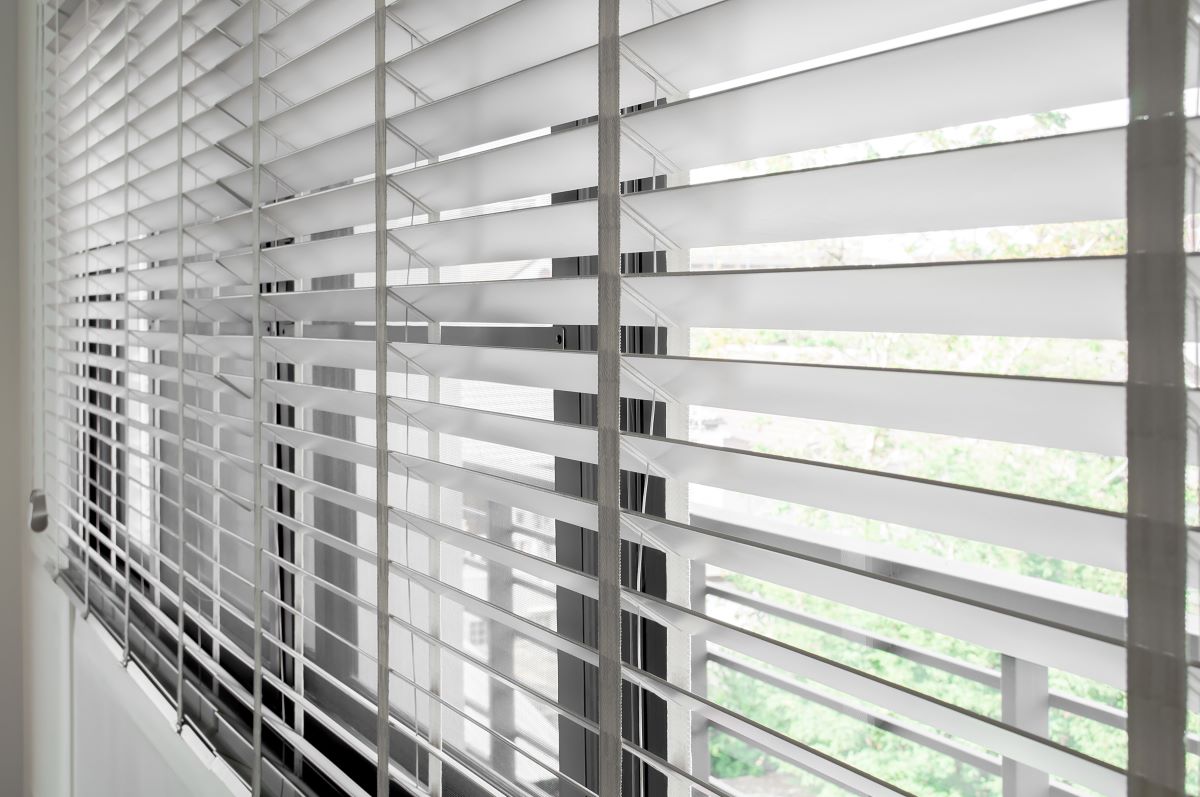
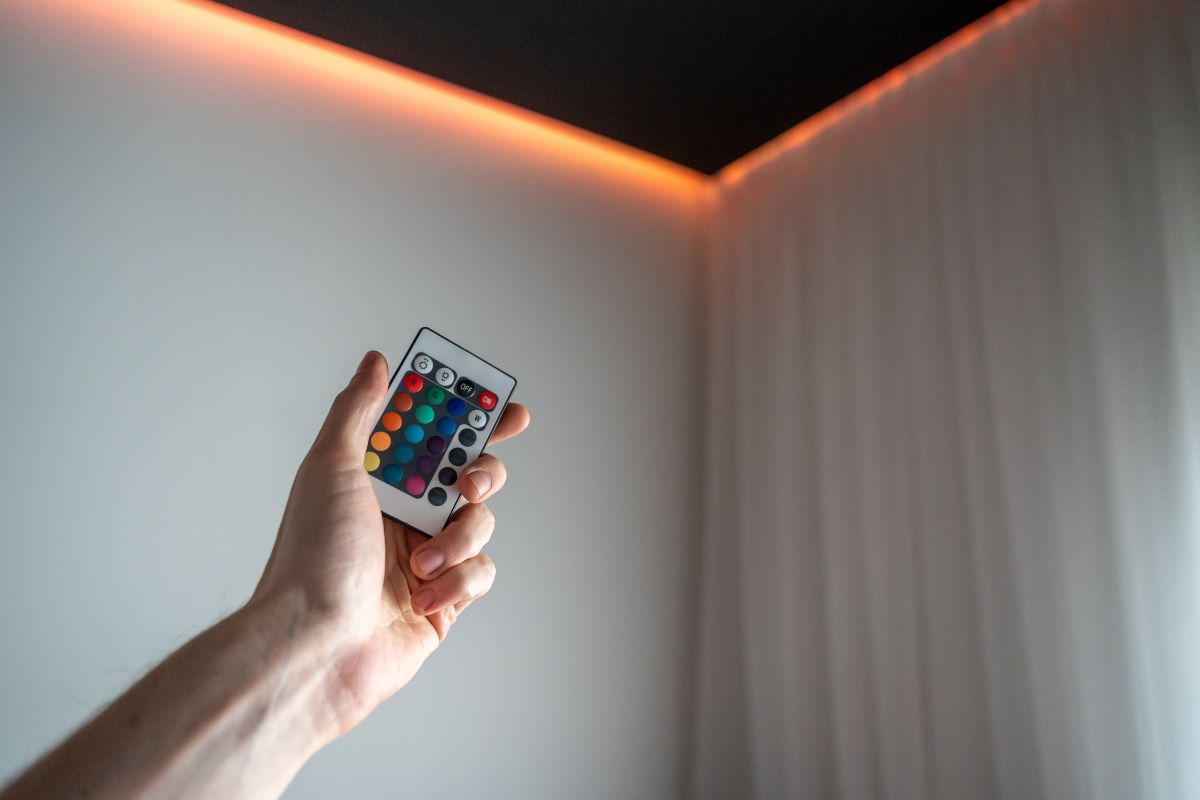
Many homeowners plan motorized blinds too late during renovation, leading to issues such as exposed wiring, poorly placed power points, or limited ceiling space for installation. In Singapore homes where smart blinds and clean interior finishes are increasingly popular, proper wiring and power planning are essential for both appearance and long-term usability.
Whether installing window coverings in a new BTO flat or upgrading a condominium, early coordination between electricians, interior designers, and blind installers helps ensure smoother installation and better long-term performance.
Understanding How Motorized Blinds Systems Are Powered
Battery Powered vs Wired Motorized Blinds
Most motorized blinds in Singapore fall into two categories – battery powered or wired systems. Battery-powered blinds are easier to install because they do not require direct electrical wiring. They are commonly used in homes where renovation has already been completed or where homeowners prefer minimal hacking.
Wired motorized blinds connect directly to a power source and are usually planned during renovation. These systems provide more stable long-term performance, especially for large roller blinds or wide window coverings that are used frequently.
| Type | Battery Powered | Wired System |
| Installation | Easier retrofit | Requires planning |
| Maintenance | Battery charging needed | Minimal maintenance |
| Best for | Existing homes | New renovation projects |
| Appearance | Slightly more visible | Cleaner concealed finish |
How Smart Blinds Connect To Power Sources
Smart blinds may operate through rechargeable batteries, plug-in adaptors, or concealed electrical wiring. In larger homes with multiple window blinds, direct wiring is often preferred because it creates a cleaner setup and avoids repeated battery charging.
For homeowners exploring automation features, Smart Blinds Singapore explains how different systems integrate with smart home controls.
Why Power Planning Affects Long-Term Performance
Poor power planning affects more than appearance. If motors are difficult to access later, maintenance and servicing become more complicated. Incorrect wiring placement may also lead to exposed cables that disrupt otherwise clean modern window treatments.
Planning power access early allows motorized blinds to operate smoothly while keeping the installation visually neat.
Where To Position Power Points For Motorized Blinds
Ideal Power Point Placement Above Windows
For most motorized blinds, power points are positioned above the window frame, usually concealed behind pelmets or false ceilings. This keeps cables hidden while allowing installers to access the motor when necessary.
In Singapore condominiums with full-height windows, concealed placement is especially important because visible wiring can disrupt the clean appearance of large glass panels.
Power Point Planning For Large Windows And Sliding Doors
Larger windows often require multiple blinds or wider roller blinds with heavier motors. In these situations, a single power point may not be sufficient.
Balcony sliding doors and corner windows may require:
- Separate motor control systems
- Additional power access points
- Wider mounting clearance
This becomes especially important in homes using multiple smart blinds within the same living space.
Common Power Point Placement Mistakes
Some of the most common mistakes include:
- Positioning power points too far from the motor
- Installing them where curtain pelmets block access
- Forgetting future maintenance access
These issues often result in visible cable extensions or difficult servicing later.
How False Ceilings And Pelmets Affect Motorized Blinds Installation
Why Ceiling Depth Matters For Window Coverings
Motorized blinds require sufficient ceiling clearance for the roller tube, motor housing, and fabric movement. If false ceilings are too shallow, the blinds may not roll properly or could interfere with lighting fixtures.
This is especially relevant for modern window treatments that use concealed pelmets to hide the blind system.
Coordinating With Interior Designers And Electricians
Proper coordination during renovation prevents installation conflicts later. Electricians, carpenters, and blind installers should align on:
- Ceiling depth
- Lighting positions
- Air-conditioning trunking
- Power point access
Without coordination, homeowners may discover that wiring paths or false ceiling designs block the blind mechanism.
When Pelmets Improve Modern Window Treatments
Pelmets help conceal roller mechanisms, motors, and wiring. This creates a cleaner appearance that suits modern homes.
For homeowners considering different blind systems, options such as Roller Blinds Singapore and Venetian Blinds may also influence pelmet design requirements.
Wiring Considerations For Different Types Of Window Blinds
Roller Blinds vs Motorized Day And Night Blinds
Different blind systems require different installation clearances. Roller blinds generally use a simpler tube system, while motorized day and night blinds require more precise alignment because of their layered fabric structure.
If you are planning automated day and night blinds, How To Adjust Day And Night Blinds For Better Light And Privacy explains how alignment affects performance after installation.
Single Window vs Multi-Panel Window Wiring
Large living room windows may require multiple motors operating together. In these cases, wiring should be planned to support grouped controls instead of separate visible cables.
Multi-panel windows are common in Singapore condominiums, where window coverings often span across large balcony-facing glass panels.
Planning Smart Blinds For Corner Windows
Corner windows present additional wiring complexity because motors may sit at different angles. Proper planning ensures motors remain accessible while maintaining clean concealment.
Common Renovation Mistakes That Affect Motorized Blinds
Planning Blinds Too Late During Renovation
One of the biggest mistakes is discussing motorized blinds only after carpentry or false ceilings are completed. At this stage, concealed wiring becomes more difficult and expensive.
Not Leaving Maintenance Access For Motors
Motors may eventually require servicing or replacement. If access panels are not planned properly, ceiling dismantling may be required later.
Incorrect Blind Width Causing Light Gaps
Improper measurements can create visible light gaps along the sides of window coverings. This affects privacy and sunlight control, especially for west-facing units.
Best Motorized Blinds Setup For Different Spaces
Living Room Window Coverings
Large living rooms benefit from motorized blinds because wide windows can be adjusted easily with remote or app control. Smart automation also helps manage afternoon sunlight.
Bedroom Smart Blinds Setup
Bedrooms often combine motorized blinds with curtains for better light control and privacy. Layered systems are especially useful for homeowners sensitive to morning sunlight.
Balcony And Full-Height Window Areas
Full-height windows and balcony glazing systems require careful wiring coordination because the blinds are often larger and heavier than standard window blinds.
How Apex Helps Homeowners Plan Motorized Blinds Properly
Site Assessment Before Renovation Completion
At Apex Blinds, site assessment begins before renovation finishes. Early planning allows wiring and power points to be positioned correctly before ceilings are closed.
Custom Blinds Recommendations Based On Layout
Different homes require different custom blinds solutions depending on sunlight direction, window size, and ceiling design.
Professional Installation And Wiring Coordination
Professional coordination between installers and contractors helps reduce visible wiring and improves long-term performance. Homeowners can explore available systems on contact Apex Blinds for consultation before renovation work begins.
Planning Early Makes Motorized Blinds Work Better
Proper preparation is one of the most important factors affecting the performance of motorized blinds in Singapore homes. When power points, wiring, ceiling space, and blind dimensions are planned correctly from the start, homeowners enjoy cleaner installations, smoother operation, and fewer long-term maintenance issues.
For modern homes using smart blinds and automated window coverings, early coordination between electricians, interior designers, and experienced suppliers helps ensure the final setup functions smoothly while maintaining a clean interior finish.