We often seek practical yet aesthetically pleasing solutions for our windows. Among the myriad of options available, Venetian blinds stand out as a timeless and versatile choice. Their enduring popularity is not without reason; they offer a blend of functionality, design flexibility, and durability that few other window treatments can match. Our focus here is to explore how these blinds can genuinely enhance any living or working environment, providing both visual appeal and tangible benefits.
To fully appreciate the advantages of Venetian blinds, it’s beneficial to understand their basic construction and how they operate. This allows us to make informed decisions about their suitability for our specific needs.
Slats: The Core Component
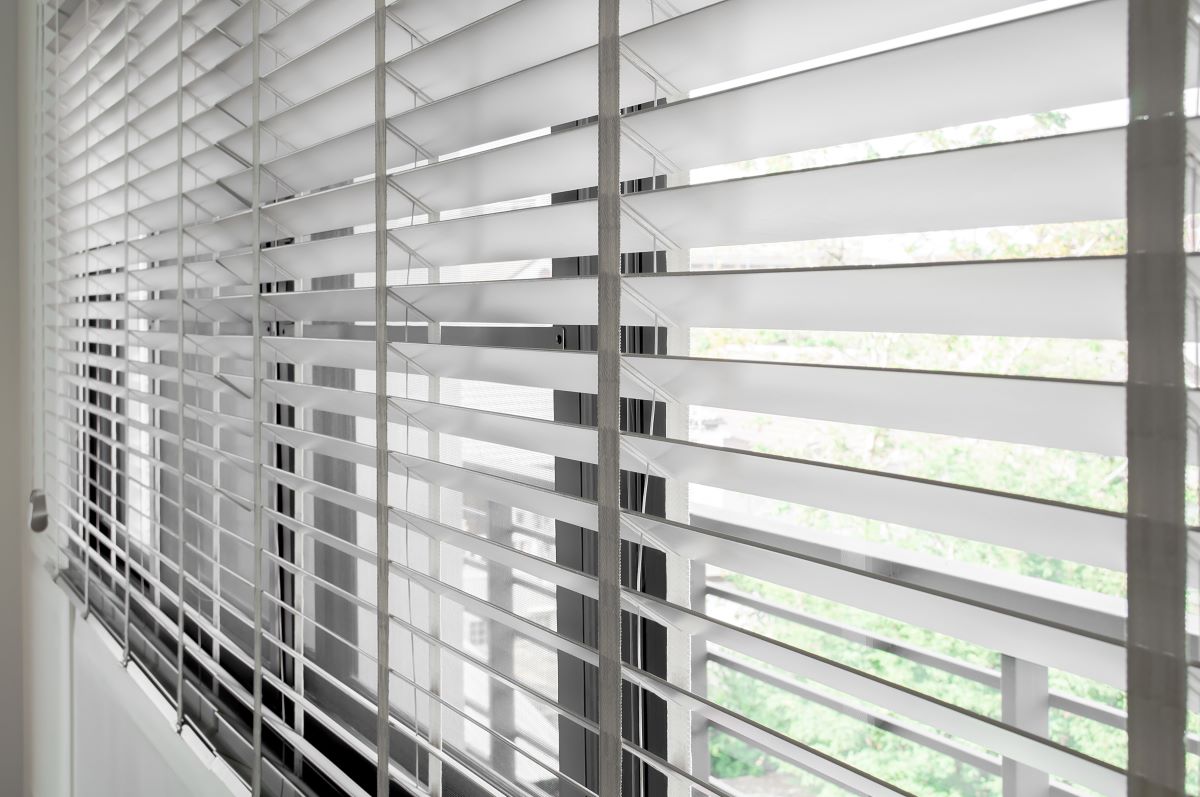
The most recognizable feature of Venetian blinds is their horizontal slats. These individual pieces are key to controlling light and privacy.
- Material Variety: Slats are available in a range of materials, each offering distinct characteristics. Common options include aluminium, wood, faux wood, and sometimes even PVC or composite materials. The choice of material impacts durability, aesthetic, and maintenance requirements.
- Slat Widths: Venetian blinds come with various slat widths, typically ranging from 16mm to 50mm or even wider. Narrower slats offer a more intricate look and greater light control, while wider slats provide a bolder appearance and can be easier to clean. Our selection of slat width often depends on the size of the window and the desired visual impact.
- Tilt Mechanism: Connected by a cord or wand, the slats can be tilted from a fully open position, allowing maximum light and an unobstructed view, to a fully closed position, offering privacy and light blockage. Intermediate positions allow for precise light filtering.
Headrail and Bottom Rail
These components provide structure and stability to the blinds.
- Headrail: This is the top component, housing the operating mechanisms. It’s typically made of metal and discreetly designed to blend with the blinds.
- Bottom Rail: Located at the base of the blinds, the bottom rail provides weight and stability, ensuring the slats hang evenly. It also helps in neatly stacking the blinds when raised.
Operating Systems
Modern Venetian blinds offer several operating systems, enhancing user convenience and safety.
- Corded Operation: The traditional system, using cords for both tilting and raising/lowering the blinds. While effective, cord safety measures are crucial, especially in homes with children or pets.
- Wand Operation: Often used for tilting the slats, a wand offers a clean and simple control method.
- Cordless Systems: A popular contemporary option, cordless blinds eliminate dangling cords, improving aesthetics and safety. We simply push or pull the bottom rail to adjust the blinds.
- Motorized Systems: For ultimate convenience, motorized Venetian blinds can be controlled via remote, wall switch, or even integrated into smart home systems. This is particularly useful for large windows or blinds in hard-to-reach areas.
If you’re considering enhancing your home decor, you might want to explore the benefits of curtains as a stylish and functional addition. For more insights on how to transform your living space, check out this related article on curtains in Singapore: Transform Your Home with Curtains Singapore: A Stylish and Functional Addition. This article provides valuable tips on selecting the right window treatments to complement your interior design, including the use of Venetian blinds for a modern touch.
Versatility in Design and Aesthetics
One of the primary reasons we recommend Venetian blinds is their remarkable adaptability to various interior design styles. They are not merely functional items; they are design elements that can significant contribute to the overall ambiance of a room.
Blending with Diverse Decor Styles
Whether our home or office leans towards minimalist, traditional, industrial, or contemporary aesthetics, there’s a Venetian blind option that can complement it.
- Modern and Minimalist: Aluminium Venetian blinds, particularly in muted tones like grey, black, or white, with narrow slats, can enhance a sleek, uncluttered space. Their clean lines contribute to a minimalist aesthetic without adding visual bulk.
- Traditional and Classic: Wood or faux wood Venetian blinds are excellent choices for spaces with a more classic or rustic feel. Their natural textures and warm tones can add depth and character, harmonizing with wooden furniture and traditional fabrics. Wider slats often work well in these settings, offering a more substantial look.
- Industrial: Aluminium blinds, especially in metallic finishes or dark colours, can align with an industrial design scheme, echoing the raw and utilitarian elements often found in such interiors.
- Contemporary: A wide range of colours and finishes allows us to integrate Venetian blinds into modern designs. Two-tone options or blinds that contrast with the window frame can create a striking visual impact.
Color and Finish Options
The spectrum of available colors and finishes is broad, allowing for precise customization.
- Neutral Tones: Whites, creams, greys, and blacks are consistently popular as they provide a versatile backdrop and integrate seamlessly into most decor schemes. They offer a sophisticated and understated elegance.
- Vibrant Hues: For those seeking to make a statement, Venetian blinds are available in brighter colors. These can serve as a focal point or tie into existing color palettes within a room, adding a pop of color without overwhelming the space.
- Metallic Finishes: Aluminium blinds can come in brushed, glossy, or matte metallic finishes, adding a contemporary edge and reflecting light in interesting ways.
- Wood Grains: Faux wood and natural wood blinds mimic the authentic look of timber, with various stains and finishes available to match different wood types and tones. This provides the warmth of wood without the potential drawbacks of real timber in certain environments.
Practical Benefits for Everyday Living
Beyond their aesthetic appeal, Venetian blinds offer a multitude of tangible benefits that contribute to comfort, privacy, and cost-effectiveness in our homes and workplaces.
Precision Light Control
This is arguably one of the most significant practical advantages of Venetian blinds. The ability to precisely adjust the angle of the slats allows for nuanced control over natural light.
- Glare Reduction: We can direct sunlight upwards or downwards, effectively eliminating glare on screens or reading materials without plunging the room into darkness. This is particularly beneficial in home offices or rooms with televisions.
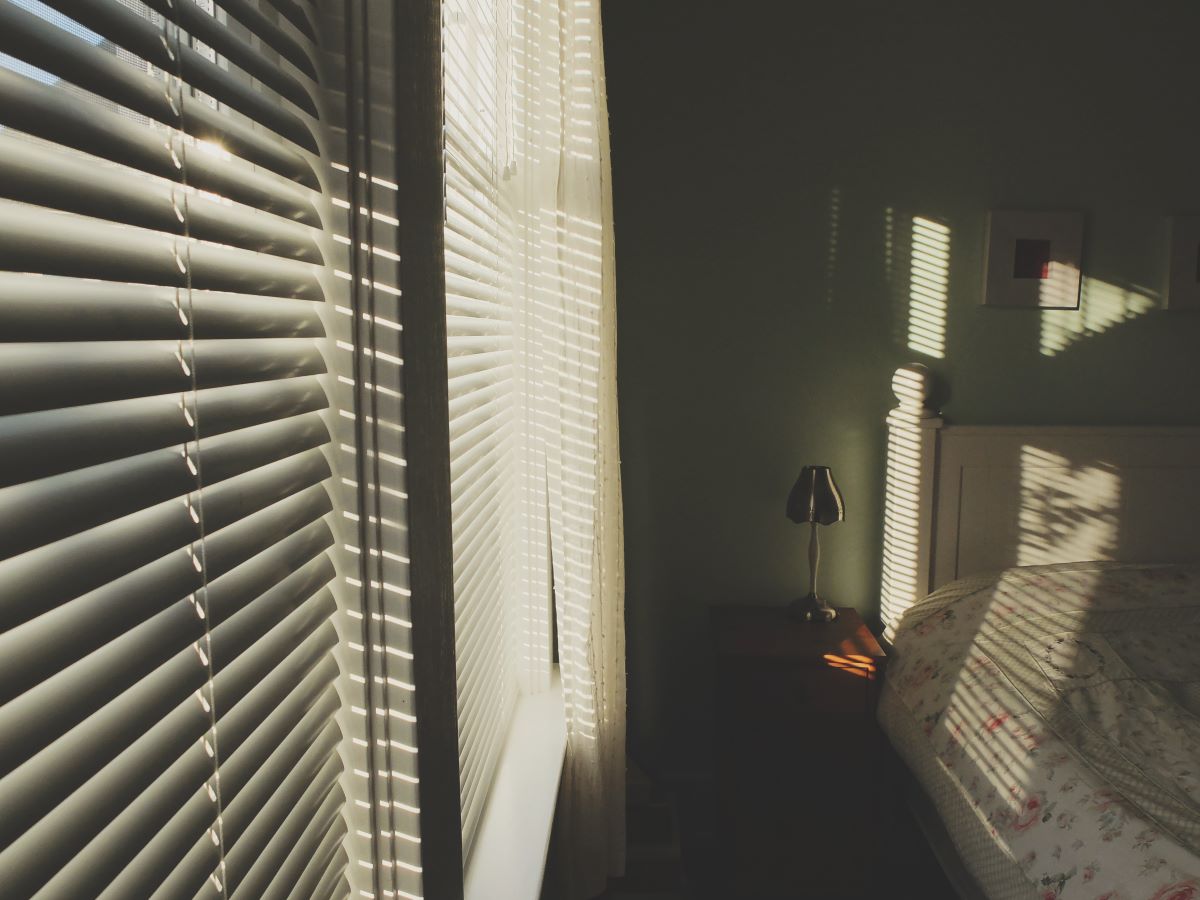
- Light Diffusion: By angling the slats, we can diffuse harsh direct sunlight, softening the light entering the room and creating a more comfortable ambiance. This helps to prevent eye strain and can protect furniture and flooring from sun damage.
- Full Light or Darkness: When fully open, Venetian blinds allow maximum light penetration. When fully closed, they offer significant light blockage, although some minimal light bleed might occur around the edges, depending on the fit and material. This is ideal for bedrooms or media rooms where darkness is preferred.
Enhanced Privacy
Venetian blinds excel at providing adjustable privacy, a feature many of us prioritize.
- Controlled View: By tilting the slats, we can obscure the view from outside while still allowing natural light to filter in. We can angle them to see out while preventing outsiders from seeing in, offering a sense of security and seclusion.
- Complete Seclusion: When the slats are closed, the blinds offer a high degree of privacy, making them suitable for bathrooms, bedrooms, and ground-floor windows.
Thermal Insulation and Energy Efficiency
While perhaps not as insulating as heavy drapes, Venetian blinds can contribute to better thermal regulation within a room, potentially leading to energy savings.
- Reducing Heat Gain: During warmer months, closing or tilting the blinds can block direct sunlight, reducing the amount of heat transmitted through the window. This can lessen the load on air conditioning systems.
- Minimizing Heat Loss: In colder months, closing the blinds can create an additional barrier against cold air entering through the windows, helping to retain warmth within the room. This effect is more pronounced with thicker slat materials like wood or faux wood.
- UV Protection: By blocking or diffusing sunlight, Venetian blinds help protect interior furnishings, flooring, and artwork from damaging UV rays, which can cause fading and deterioration over time.
Durability and Maintenance Considerations
When investing in window treatments, we naturally consider their longevity and the effort required to maintain them. Venetian blinds generally perform well in both these aspects.
Durability of Materials
The choice of material directly impacts the lifespan of the blinds.
- Aluminium: Highly durable, resistant to moisture, dents, and bends. Aluminium blinds are an excellent choice for high-traffic areas or environments where moisture is a concern, such as bathrooms and kitchens. They typically hold up well over many years without significant deterioration.
- Faux Wood: Manufactured from PVC or composite materials, faux wood blinds are exceptionally durable. They are impervious to moisture, warping, cracking, and fading, making them ideal for humid environments or windows exposed to direct sunlight. They often come with warranties reflecting their robust nature.
- Natural Wood: While beautiful, natural wood blinds require more careful consideration. They can be susceptible to warping or cracking in high humidity or extreme temperature fluctuations. However, with proper care and in suitable environments, they can last for many years, developing a patina over time.
Ease of Cleaning and Maintenance
Maintaining Venetian blinds is typically straightforward, though the method varies slightly by material.
- Regular Dusting: A feather duster, microfiber cloth, or specialized slat cleaner can be used for routine dusting, which helps prevent dust buildup and keeps the blinds looking fresh.
- Wipe Down: For more thorough cleaning, especially for aluminium or faux wood blinds, a damp cloth with a mild detergent can be used to wipe down the slats. We ensure to dry them thoroughly to prevent water spots.
- Vacuuming: A brush attachment on a vacuum cleaner can also be effective for removing dust and loose debris, particularly for wider slat blinds.
- Wood Blinds Specifics: Natural wood blinds should be cleaned with wood-friendly products and a slightly damp, not wet, cloth to avoid damaging the finish or the wood itself. Polishing products designed for wood can also be used occasionally to maintain their luster.
- Avoiding Harsh Chemicals: Regardless of the material, we generally avoid abrasive cleaners or harsh chemicals, as these can damage the finish or the material of the blinds.
If you’re considering enhancing your living space with stylish window treatments, you might find that Venetian blinds are an excellent choice due to their versatility and ease of use. For more inspiration on how to complement your home decor, check out this article on living room curtains in Singapore, which offers a variety of options that can beautifully pair with Venetian blinds.
Installation and Customization Options
<?xml encoding=”UTF-8″>
| Feature | Measurement |
|---|---|
| Material | Wood, aluminum, vinyl, or faux wood |
| Width | Available in various widths, such as 1 inch, 2 inches, or 2.5 inches |
| Length | Customizable to fit different window sizes |
| Color | Options include white, black, brown, gray, and more |
| Operation | Manual or motorized |
| Privacy Control | Adjustable slats for controlling light and privacy |
Effective implementation of Venetian blinds involves not just choosing the right type but also ensuring proper installation and considering customization to fit specific window requirements.
Professional vs. DIY Installation
The decision between professional and DIY installation often depends on our comfort level, the complexity of the blinds, and the window type.
- DIY Installation: For standard windows and uncomplicated blinds, DIY installation can be a feasible option. Most Venetian blinds come with clear instructions and all necessary hardware. We ensure we have the correct tools, accurately measure the window, and follow manufacturer guidelines carefully. Incorrect measurements are a common problem that can lead to blinds not fitting correctly or working efficiently.
- Professional Installation: For large or unusually shaped windows, multiple blinds, or motorized systems, professional installation is often recommended. Installers have the expertise to handle complex fittings, ensure proper alignment, and address any structural considerations. This can save time and prevent potential damage to the blinds or the window frame. A professionally installed blind often operates more smoothly and looks better.
Inside vs. Outside Mount
The mounting position significantly affects the aesthetic and functional aspects of the blinds.
- Inside Mount: This involves installing the blinds within the window frame, flush with the window recess. It provides a clean, integrated look that doesn’t protrude into the room. We need precise measurements for an inside mount to ensure the blinds fit snugly. This option also allows us to pair the blinds with curtains or drapes for layered window treatments.
- Outside Mount: Here, the blinds are installed on the wall or trim outside the window frame, extending beyond the window opening. This can be beneficial for windows that are not perfectly square or to make a window appear larger. Outside mounted blinds also offer better light blockage as they cover the entire window and a bit of the surrounding wall, minimizing light leakage around the edges.
Customization for Unique Windows
Not all windows are standard rectangles, and Venetian blinds can often be customized to fit unique shapes.
- Sloping or Angled Windows: While challenging, some manufacturers can create Venetian blinds for windows with sloped or angled tops, though the operating mechanisms may be slightly different.
- Bay Windows: Venetian blinds are an excellent choice for bay windows, as individual blinds can be fitted to each pane, maintaining the architectural integrity of the bay.
- Cut-outs: For windows with obstructions like handles or specific architectural details, blinds can often be manufactured with custom cut-outs to accommodate these features.
In summary, when we consider window treatments, Venetian blinds emerge as a highly practical and aesthetically appealing choice. Their robust construction, diverse material and color options, and precise control over light and privacy make them suitable for almost any space. From enhancing thermal efficiency to complementing various interior styles, their benefits are substantial. With careful selection and proper maintenance, Venetian blinds offer a long-lasting and effective solution for our window covering needs, proving to be a valuable addition to any home or office environment.
FAQs
What are Venetian blinds?
Venetian blinds are window coverings made of horizontal slats that can be tilted to control the amount of light entering a room. They are typically made of wood, metal, or plastic.
How do Venetian blinds work?
Venetian blinds work by using a cord or wand to tilt the slats, allowing the user to control the amount of light and privacy in a room. They can also be raised or lowered to completely cover the window.
What are the benefits of Venetian blinds?
Venetian blinds offer several benefits, including light control, privacy, and the ability to enhance the aesthetic of a room. They are also easy to clean and maintain.
How do I install Venetian blinds?
Venetian blinds can be installed inside or outside the window frame, depending on the specific type of blinds and the preference of the user. Installation typically involves mounting brackets and securing the blinds in place.
What are the different types of Venetian blinds?
There are various types of Venetian blinds, including wood, aluminum, and faux wood. Each type offers different aesthetic and functional benefits, so it’s important to consider the specific needs of the room when choosing the right type of blinds.