Our homes are more than just structures; they are our sanctuaries, the places where we build memories, find solace, and express our individuality. As we invest time and effort in decorating and furnishing our living spaces, we often overlook a crucial element that can significantly impact both aesthetics and functionality: our window coverings. Custom blinds, far from being mere utilitarian items, offer a sophisticated and adaptable solution for enhancing the comfort, privacy, and visual appeal of our homes. They are an opportunity to move beyond the limitations of off-the-shelf options and curate window treatments that perfectly align with our specific needs and design sensibilities. In this exploration, we will delve into the multifaceted advantages of embracing custom blinds, examining how they empower us to elevate our homes to new levels of comfort and style.
Understanding the Nuances of Custom Blind Options
When we consider enhancing our homes with custom blinds, the sheer variety of choices can initially seem overwhelming. However, understanding the fundamental differences between the materials, operating mechanisms, and styles available allows us to make informed decisions that best suit our requirements. This isn’t about choosing the most elaborate or expensive option, but rather the most appropriate one for the specific context of each window and room.
Diverse Material Selections for Every Environment
The material of a blind is a primary determinant of its look, feel, durability, and performance. We have the ability to select from a spectrum of materials, each offering distinct characteristics.
Natural Woods and Faux Woods: Timeless Appeal and Versatility
Wood blinds, crafted from materials like basswood or real wood, exude a classic warmth and elegance. Their natural grain patterns and rich tones can introduce a touch of organic luxury into any room. We can opt for stained finishes to complement existing wood furniture or painted options to provide a cleaner, more modern aesthetic. However, it’s important to consider their susceptibility to moisture and humidity.
Faux wood blinds, on the other hand, offer a compelling alternative for areas where moisture is a concern, such as bathrooms or kitchens. Constructed from PVC or composite materials, they convincingly mimic the appearance of real wood while providing superior durability and resistance to warping, cracking, or fading. Their ease of cleaning also makes them a practical choice for busy households. We can find them in a wide array of colors and finishes, often indistinguishable from their natural counterparts at a glance.
Fabric Options: Softness, Light Control, and Decorative Flair
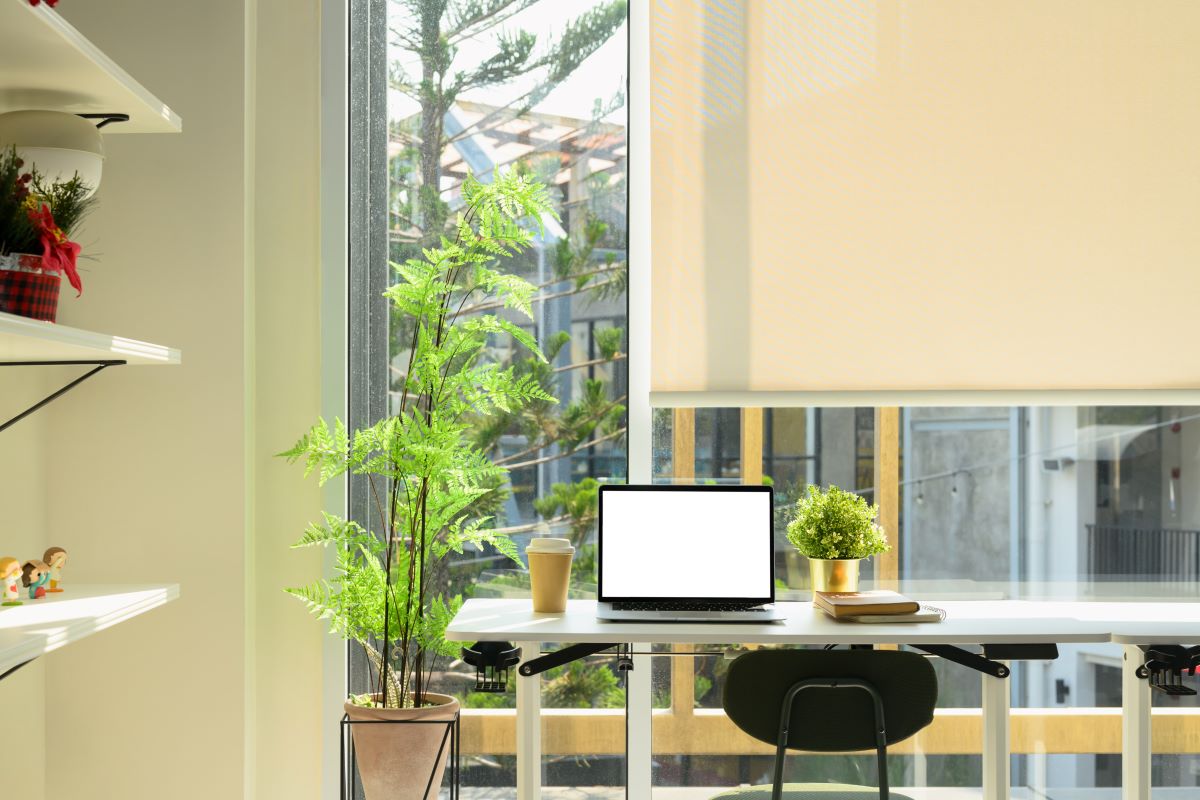
Fabric blinds, such as Roman shades or roller shades, provide a softer visual element compared to rigid slat blinds. Roman shades, in particular, offer a streamlined yet opulent appearance, folding into elegant pleats when raised. They are available in an extensive range of fabrics, from sheer, light-filtering materials that gently diffuse sunlight to thick, blackout fabrics designed for complete light blockage.
Roller shades are a more modern and minimalist choice. They consist of a single piece of fabric that rolls up onto a tube. Their simplicity makes them highly adaptable, and the vast selection of fabrics allows for a broad spectrum of light control and decorative effects. We can choose patterns, textures, and colors that either blend seamlessly with our décor or serve as a prominent focal point.
Aluminum and Vinyl: Durability, Affordability, and Functionality
For environments demanding robust performance and cost-effectiveness, aluminum and vinyl blinds present practical solutions. Aluminum blinds, often referred to as mini-blinds, are lightweight yet durable. Their slim slats offer precise light and privacy control. They are typically available in a wide range of colors, including metallic finishes. Their primary advantage lies in their resistance to moisture and ease of cleaning.
Vinyl blinds serve as an economical option, offering good value for money. They are resistant to moisture and stains, making them suitable for high-traffic areas or rooms prone to spills. While they may not possess the natural charm of wood or the sophisticated drape of fabric, their straightforward functionality and affordability make them a sensible choice for many households.
Exploring Different Operating Mechanisms and Features
Beyond the material, the way our blinds operate is crucial for their usability and convenience. Customization extends to these mechanisms, allowing us to tailor them to our lifestyle.
Corded Systems: Traditional and Cost-Effective
Traditional corded systems are a familiar and often cost-effective mechanism. They involve cords for raising and lowering the blinds and a wand or cord for tilting the slats. While functional, we must be mindful of potential cord entanglement and consider safety measures, especially in homes with young children or pets.
Cordless and Motorized Options: Enhanced Safety and Convenience
Cordless blinds have gained significant popularity due to their inherent safety advantages. They eliminate hanging cords, making them ideal for children’s rooms and areas where safety is a paramount concern. The operation is typically achieved through a manual lift or a push-and-pull mechanism.
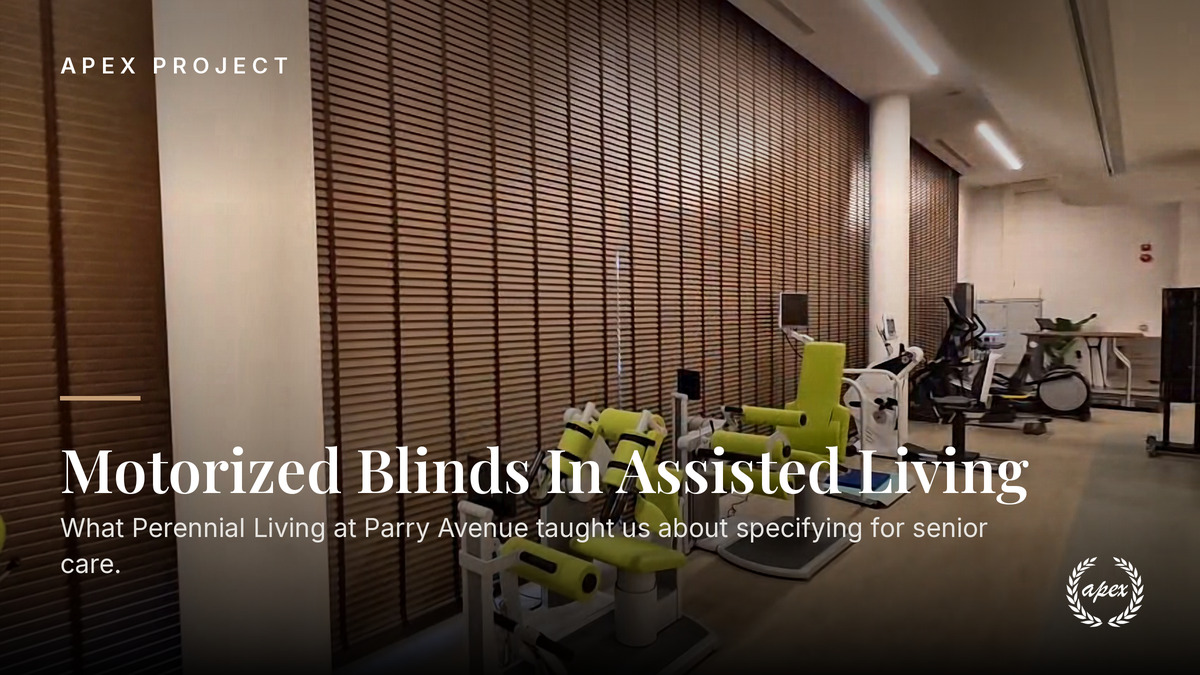
Motorized blinds offer the ultimate in convenience. They can be operated remotely via a handheld device, a smartphone app, or integrated into smart home systems. This allows for programmed opening and closing schedules, enabling us to automate light control and privacy based on our daily routines or even the time of day. This feature is particularly beneficial for hard-to-reach windows or for individuals with mobility limitations.
Continuous Loop Systems: Smooth Operation and Durability
Continuous loop systems utilize a single loop of chain or cord that circulates through a mechanism. This provides a smooth and controlled operation for raising and lowering the blinds, distributing the weight evenly and reducing wear and tear compared to traditional single-cord systems. They are often preferred for larger or heavier blinds, offering a more stable and reliable lift.
If you’re considering upgrading your home with custom blinds, you might find it beneficial to explore the advantages of energy-saving options. These innovative blinds not only enhance the aesthetic appeal of your space but also contribute to energy efficiency, making them a smart choice for homeowners. For more information on this topic, check out the article on energy-saving blinds, which discusses their benefits and how they can be the ultimate solution for Singapore homes. You can read it here: Energy-Saving Blinds: The Ultimate Solution for Singapore Homes.
Tailoring Light and Privacy to Our Specific Needs
One of the most compelling reasons we opt for custom blinds is their unparalleled ability to fine-tune the control of light and privacy within our homes. Off-the-shelf solutions often present a compromise, forcing us to accept a one-size-fits-all approach. Customization empowers us to achieve a precise balance that enhances comfort and functionality in every room.
Achieving Optimal Light Filtration
Different rooms and different times of day demand varied levels of natural light. Custom blinds allow us to curate this experience.
Diffused Light for Ambient Interiors
In living rooms or studies, where harsh glare can be disruptive, we can select sheer or light-filtering fabrics for our Roman or roller shades. These materials gently diffuse incoming sunlight, creating a soft, ambient glow that reduces eye strain and enhances the atmosphere without completely sacrificing natural illumination. This is particularly effective in preventing sun damage to delicate furniture and artwork.
Complete Blackout for Restful Environments
For bedrooms or home theaters, complete light blockage is essential for optimal rest and immersion. Custom blackout blinds, often made with specialized opaque fabrics or incorporating blackout liners, effectively eliminate virtually all external light. This ensures a dark environment conducive to sleep or an uncompromised viewing experience, contributing significantly to our well-being.
Adjustable Slats for Dynamic Control
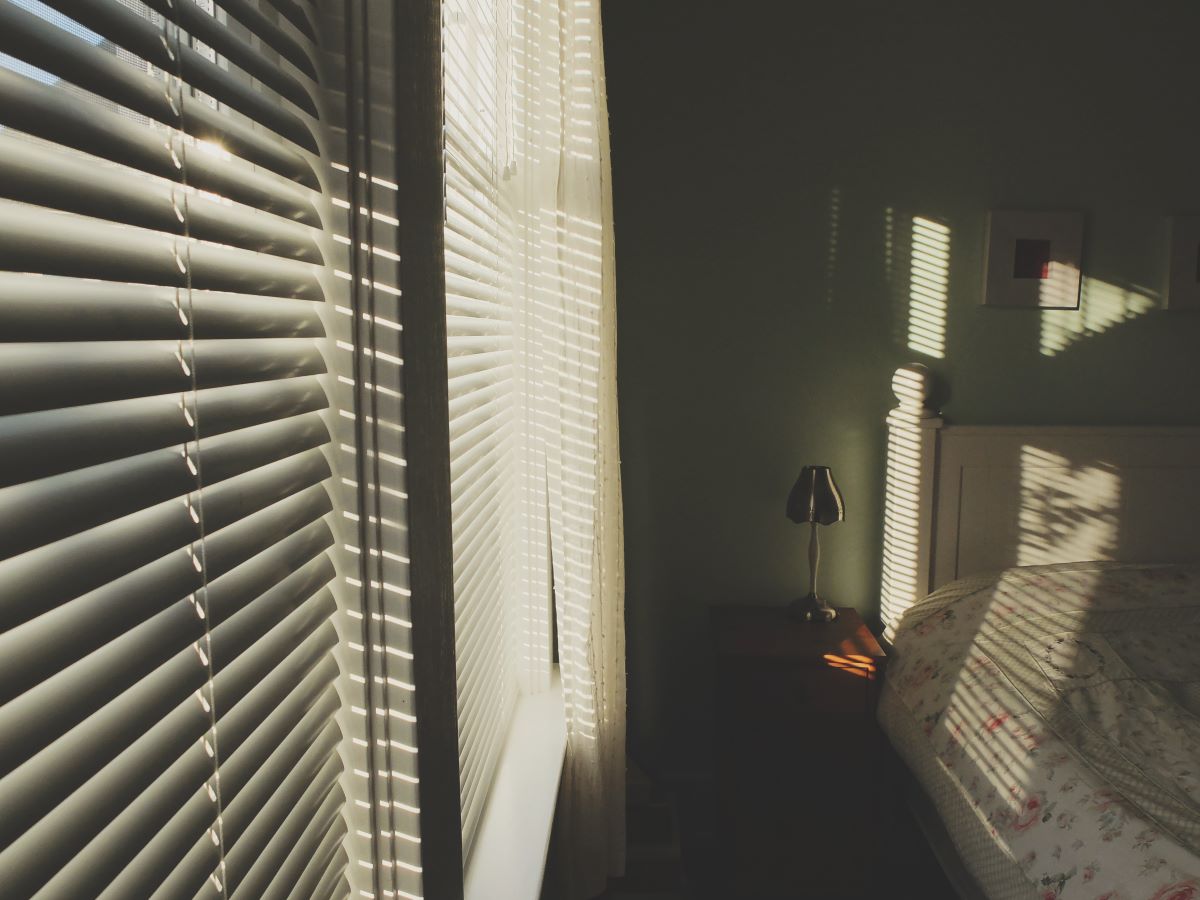
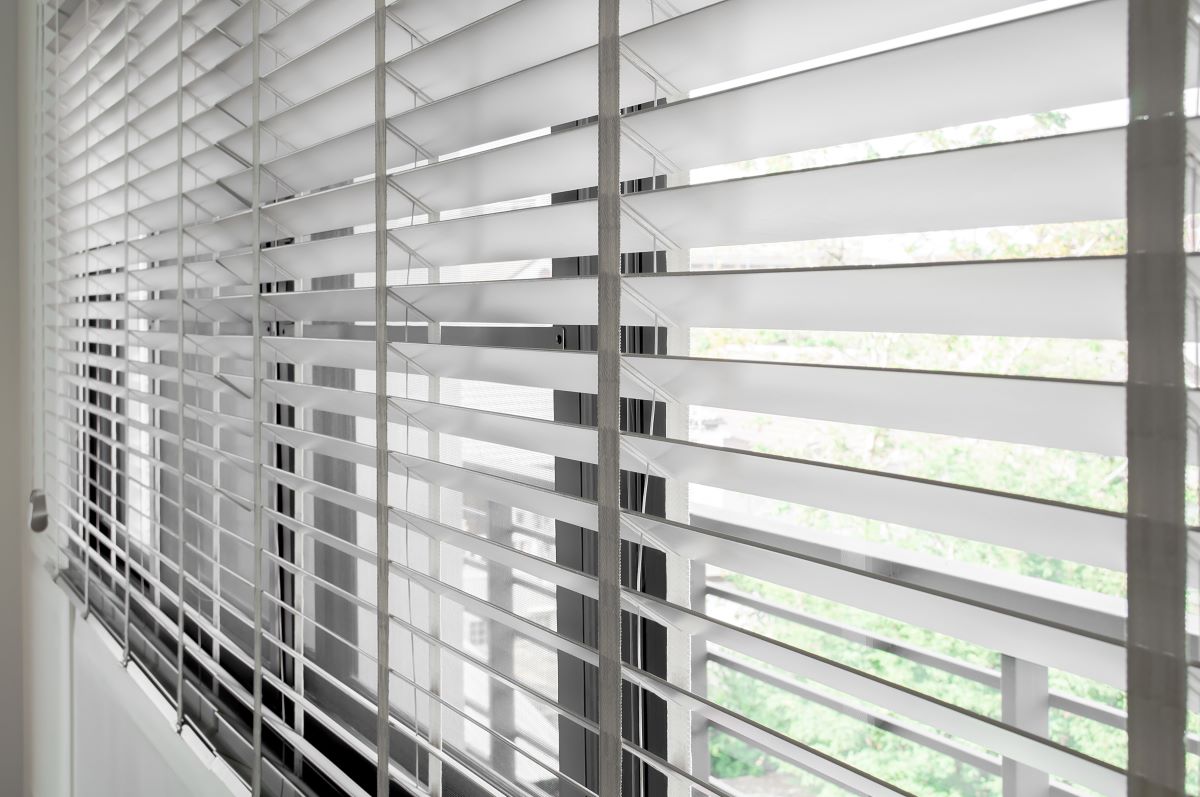
Whether we choose wood, faux wood, or aluminum blinds, the ability to tilt their slats offers dynamic control over light ingress. We can precisely angle the slats to direct light where we want it, block direct sunbeams, or allow for gentle breezes while maintaining a degree of privacy. This level of micro-adjustment is a key advantage of custom slat blinds, transforming how we interact with natural light throughout the day.
Ensuring the Right Level of Privacy
Privacy is a fundamental aspect of personal comfort and security. Custom blinds allow us to establish the desired level of seclusion in each area of our home.
One-Way Vision for Solitude and Light
Certain types of custom blinds can offer one-way vision capabilities, particularly with perforated or specialized films. This allows us to see out while preventing others from seeing in, providing an ideal solution for rooms facing busy streets or neighboring properties without sacrificing natural light. We can maintain a connection to the outside world while safeguarding our personal space.
Opague Materials for Unwavering Privacy
For areas where complete privacy is non-negotiable, such as bathrooms or bedrooms, opting for opaque materials is crucial. Custom blinds manufactured with solid, non-translucent fabrics or materials ensure that no light passes through, guaranteeing a secure and private environment. This peace of mind is invaluable.
Versatile Combinations for Multifaceted Needs
We can also combine different types of blinds on a single window to achieve multifaceted needs. For instance, a sheer roller shade can be layered beneath a blackout Roman shade to offer both diffused light during the day and complete darkness at night. This flexibility allows us to address unique privacy and light requirements within a single window treatment.
Enhancing Energy Efficiency Through Smart Design
Beyond aesthetics and privacy, custom blinds play a significant role in improving our homes’ energy efficiency. By managing solar heat gain and heat loss, they can contribute to lower utility bills and a more comfortable indoor climate year-round. This aspect often goes unnoticed but represents a substantial long-term benefit.
Mitigating Solar Heat Gain in Warmer Months
During the summer, direct sunlight entering through windows can significantly heat up our homes, forcing our air conditioning systems to work harder.
Reflective and Light-Colored Materials
Choosing custom blinds made from light-colored or reflective materials can help deflect solar radiation away from our homes. Materials like cellular shades, with their honeycomb structure, trap air and act as an insulating barrier, further reducing heat transfer. We can also opt for specialized solar fabrics designed to block a significant percentage of solar heat.
Strategic Placement and Operation
The way we operate our blinds also impacts energy efficiency. Closing blinds during the hottest parts of the day, particularly on south and west-facing windows, can significantly reduce the amount of heat entering our homes. Custom motorized blinds can be programmed to perform this function automatically, ensuring optimal energy savings without requiring constant manual intervention.
Reducing Heat Loss in Colder Months
Conversely, in colder weather, windows can be a major source of heat loss. Custom blinds can help insulate our homes and retain warmth.
Insulating Cellular Shades
Cellular shades, with their unique air-trapping pockets, are particularly effective at reducing heat loss. When closed, they create an insulating layer between the cold windowpane and the interior of our home, helping to maintain a comfortable temperature and reducing the need for excessive heating.
Thicker Fabrics and Tight Fits
Selecting thicker, more robust fabrics for Roman or roller shades can also contribute to insulation. Ensuring a tight fit around the window frame minimizes drafts and further enhances the insulating properties of the blind. Custom fitting ensures there are no significant gaps where warm air can escape.
Thermal Liners and Backings
Some custom blind options can also incorporate thermal liners or backings, adding an extra layer of insulation. These can be combined with various blind styles, offering a discreet but effective way to improve the thermal performance of our window treatments. This is a subtle but impactful enhancement to our home’s comfort.
Personalizing Our Home’s Aesthetics and Functionality
The true power of custom blinds lies in their ability to reflect our individual style and cater to the unique functional requirements of each space within our homes. They are not simply window coverings; they are integral design elements that contribute to the overall atmosphere and livability.
Harmonizing with Existing Décor
Moving beyond generic patterns and colors, custom blinds allow us to create window treatments that seamlessly integrate with our existing décor.
Color Matching and Custom Hues
We can precisely match the color of our blinds to our wall paint, furniture, or accent pieces, creating a cohesive and polished look. This level of customization ensures that our window treatments are not an afterthought but a deliberate part of our interior design scheme. We can achieve subtle nuances or bold statements with precise color control.
Pattern and Texture Selection
The vast array of fabrics available for custom Roman and roller shades allows us to introduce patterns and textures that complement our chosen style. Whether we prefer minimalist geometrics, classic floral prints, or rustic natural textures, we can find or even create a fabric that perfectly encapsulates our vision. This adds depth and visual interest to our rooms.
Trim and Hardware Embellishments
Customization extends to the fine details. We can select decorative trim, tassels, or unique hardware that further enhances the aesthetic appeal of our blinds, making them a true reflection of our personal style and attention to detail. These small touches can elevate the overall impact.
Addressing Specific Room Requirements
Each room in our home has its own distinct purpose and therefore its own unique window treatment needs. Custom blinds allow us to address these with precision.
Kitchen Functionality and Durability
In kitchens, materials that are easy to clean, resistant to moisture, and durable are paramount. Faux wood or vinyl blinds are often ideal choices. We can select colors that complement our cabinetry and countertops. The ability to quickly wipe away splatters or dust is a significant practical benefit.
Bathroom Privacy and Humidity Resistance
Bathrooms demand a high level of privacy and treatments that can withstand humidity. Faux wood blinds or water-resistant fabric roller shades are excellent options. We can choose styles that offer both light control and a sense of seclusion without making the space feel closed off.
Bedroom Serenity and Light Control
For bedrooms, achieving a restful atmosphere is key. Blackout capabilities are often prioritized to ensure undisturbed sleep. We can select soft, calming fabrics or choose wood blinds with adjustable slats to manage light throughout the day. The combination of style and function is essential here.
Living Room Elegance and Adaptability
Living rooms benefit from window treatments that offer both aesthetic appeal and adaptable light control. Roman shades in elegant fabrics can add a touch of sophistication, while wood or faux wood blinds provide versatile light management for different activities, from reading to entertaining.
If you’re considering enhancing your home with custom blinds, you might find it helpful to explore various options available in the market. One interesting article discusses the benefits and features of roller blinds, which can be a stylish and practical choice for any room. To learn more about these versatile window treatments, check out this informative piece on roller blinds.
The Investment in Quality and Longevity
When we consider custom blinds, it’s important to view them not just as a purchase but as an investment in our home’s quality and longevity. While the initial cost may be higher than that of standard blinds, the benefits in terms of durability, functionality, and aesthetic appeal often outweigh the upfront expenditure.
Durability and Superior Craftsmanship
Custom blinds are typically manufactured with higher-quality materials and meticulous attention to detail. This results in treatments that are more robust and less prone to wear and tear over time. We are investing in craftsmanship that is built to last, reducing the likelihood of frequent replacements.
Enhanced Home Value
Well-designed and functional custom window treatments can contribute to the overall appeal and perceived value of our homes. They are often seen as a desirable upgrade by potential buyers, reflecting a thoughtful approach to home improvement. This can be a significant selling point in the real estate market.
Long-Term Cost Savings
While the initial outlay for custom blinds might be higher, their durability and energy-saving properties can lead to significant long-term cost savings. Reduced energy consumption translates to lower utility bills, and the longevity of the blinds means fewer replacements and repairs over the years. This makes them a financially sound choice in the long run.
A Personalized Sanctuary
Ultimately, our homes are a reflection of ourselves. Custom blinds offer us the opportunity to imbue our living spaces with our unique personality and preferences, transforming them into true sanctuaries. By taking control of the details, from material and color to operating mechanism and light control, we are not just decorating our windows; we are crafting an environment that enhances our comfort, well-being, and daily lives. The decision to embrace custom blinds is a step towards a more personalized, functional, and aesthetically pleasing home.
FAQs
What are custom blinds?
Custom blinds are window treatments that are made to fit specific window sizes and design preferences. They are tailored to the exact measurements and style choices of the customer, offering a personalized and unique window covering solution.
What are the benefits of custom blinds?
Custom blinds offer several benefits, including a perfect fit for any window size or shape, the ability to choose from a wide range of materials, colors, and styles, and the option to add special features such as motorization or blackout capabilities. Additionally, custom blinds can enhance the overall aesthetic of a room and increase the value of a home.
How are custom blinds different from ready-made blinds?
Custom blinds are made to order based on the specific measurements and design preferences of the customer, while ready-made blinds are pre-made and available in standard sizes and styles. Custom blinds offer a higher level of customization and precision in fit, whereas ready-made blinds may require adjustments or compromises to fit certain windows.
What are the popular types of custom blinds available?
Popular types of custom blinds include roller blinds, Roman blinds, Venetian blinds, vertical blinds, and cellular shades. Each type offers unique features and benefits, such as light control, privacy, and insulation, allowing customers to choose the best option for their specific needs and preferences.
How can I order custom blinds for my windows?
To order custom blinds, customers can visit a window treatment retailer or contact a professional window covering company. They will typically be guided through the process of selecting the desired style, material, and features, as well as providing accurate measurements for a perfect fit. The custom blinds will then be manufactured and installed according to the customer’s specifications.