We’ve all experienced it: that moment when we walk into a room and it just… feels right. It’s not always about the grand gestures or the most expensive furniture. Often, it’s the subtle details, the finishing touches that truly elevate a space from mere function to something more considered, more inviting. Among these crucial elements, window treatments often play a surprisingly significant role. We’re here to discuss how incorporating designer blinds can be a pragmatic and impactful step in transforming our living and working areas.
The Undeniable Impact of Window Dressings
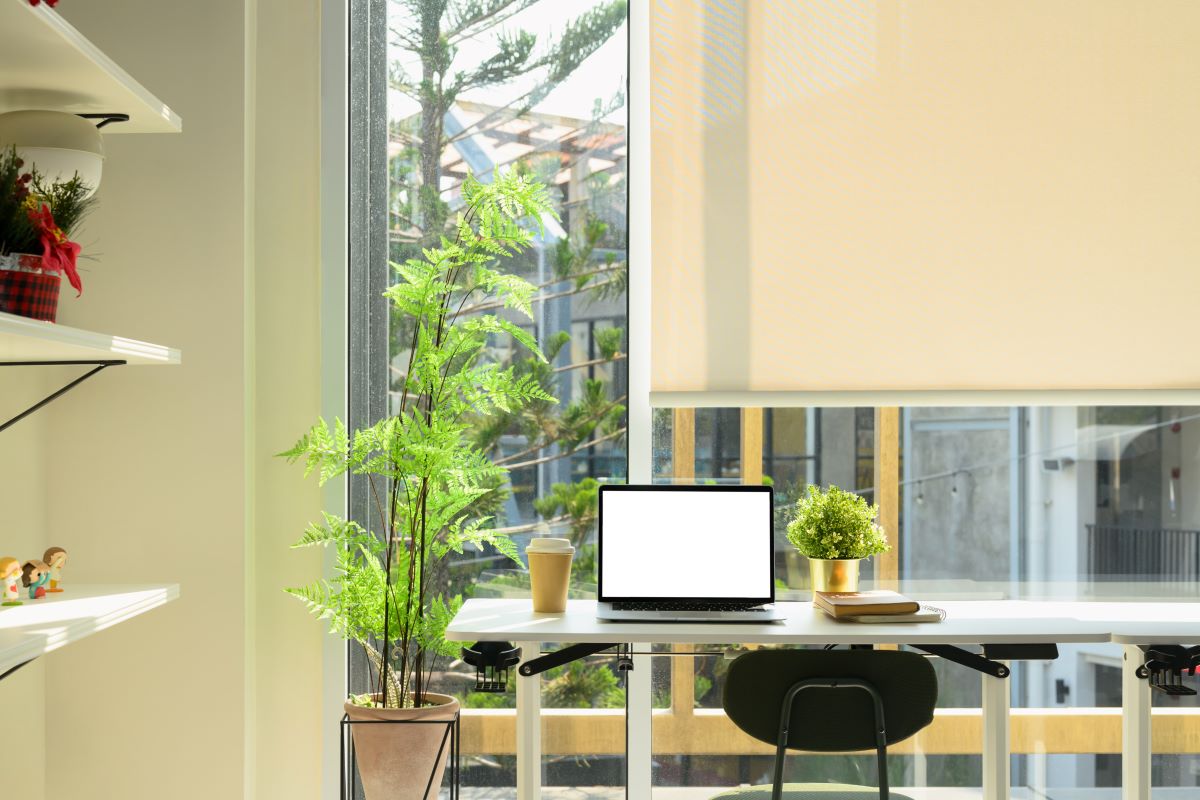
Before we delve into the specifics of designer blinds, it’s important to acknowledge the fundamental purpose and potential of window dressings in general. They are far more than just fabric or slats intended to block out light or provide privacy. When approached with intention, they contribute significantly to the overall aesthetic, functionality, and even the perceived value of a space. Consider the way light interacts with a room; it can be diffused, softened, or directed, creating different moods and atmospheres. Window treatments are our primary tool in controlling this natural light. Furthermore, they act as a visual anchor, framing our views and contributing to the room’s color palette and texture. A poorly chosen blind can detract from even the most carefully curated décor, while a well-designed one can unify disparate elements and introduce a sophisticated finishing touch. This is where the concept of ‘designer blinds’ becomes relevant – not just as a marketing term, but as an indicator of a higher level of thought, quality, and aesthetic consideration that can profoundly impact our environments.
Beyond Basic Functionality: What Defines ‘Designer’ Blinds?
The term ‘designer blinds’ suggests a level of intentionality and craft that goes beyond off-the-shelf solutions. It implies a focus on materials, construction, aesthetics, and often, a partnership with designers or brands known for their commitment to quality and style. We’re not just talking about a blind that stops the sun; we’re talking about a blind that complements the architecture, enhances the décor, and performs its function with a certain elegance. This can manifest in several ways: exceptional material choices, unique textural qualities, innovative operating mechanisms, and a palette of colors and patterns that are curated to align with contemporary design trends, or timeless classics. It’s about the tactile experience of the fabric, the smooth glide of the mechanism, and the way the light filters through, creating a specific ambiance. These are elements that are often overlooked in mass-produced options, but which can make a significant difference in the overall perception of a room.
Before we even begin to consider the aesthetic appeal of designer blinds, it’s crucial to establish our practical requirements. What are we trying to achieve with these window treatments? A clear understanding of our needs will guide us towards the most effective and ultimately satisfying choices. Simply liking the look of a blind isn’t enough if it doesn’t serve its intended purpose.
Prioritizing Privacy and Light Control
The most fundamental functions of any blind are to provide privacy and control the amount of light entering a space. These are not mutually exclusive, and our needs will vary depending on the room and its usage. For instance, a bedroom will have different privacy requirements than a living room. Similarly, a home office might benefit from precise light control to minimize glare on computer screens.
The Nuances of Privacy Needs
We need to consider the level of privacy required throughout the day and night. Are we looking for complete obscurity, or is partial privacy sufficient? For example, in a bathroom, full privacy is paramount. In a living area, we might prefer to maintain a connection with the outside world while still preventing passersby from seeing in. This might influence the opacity of the fabric or the style of the blind selected.
Mastering Light Management
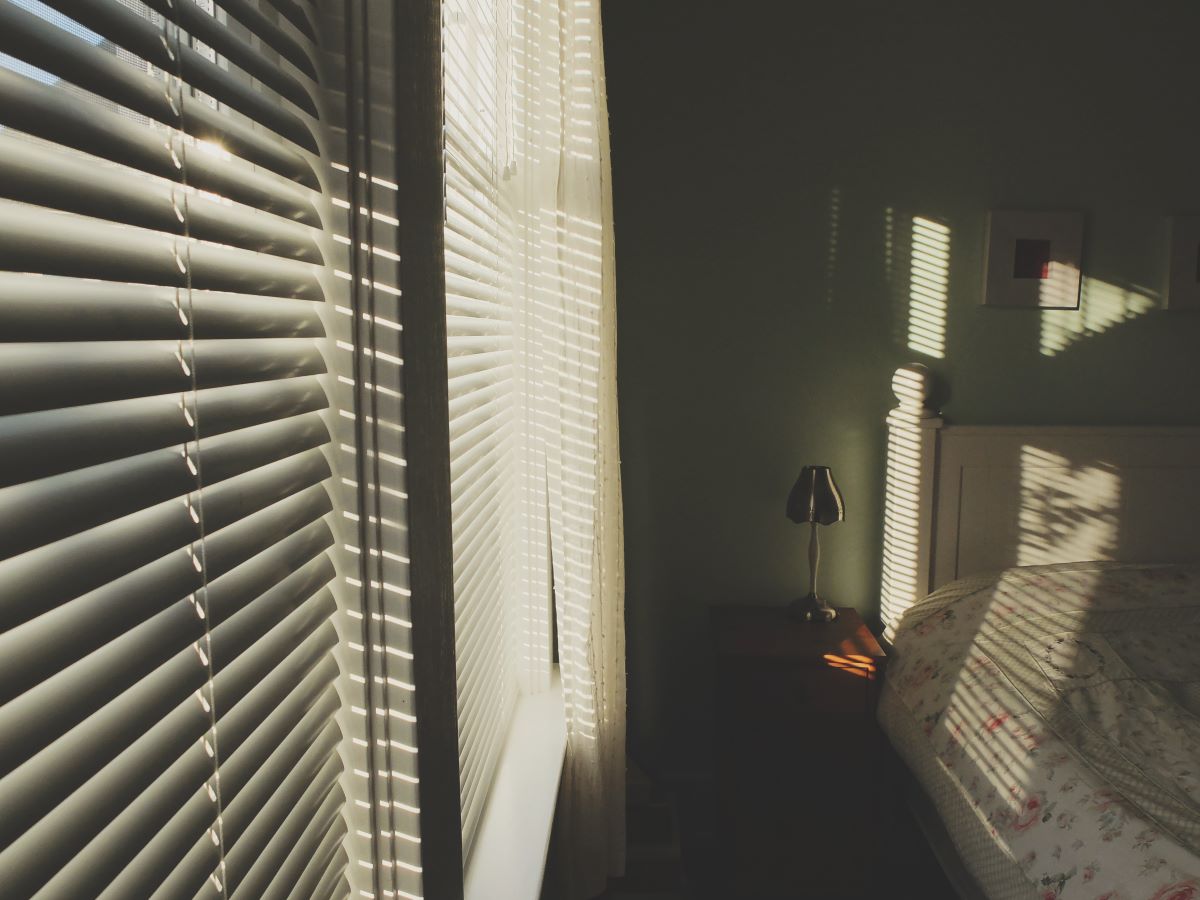
Light control extends beyond just blocking out the sun. We might want to filter light to create a softer, more diffused ambiance, or precisely angle slats to direct sunlight away from sensitive areas or to highlight architectural features. Some rooms may benefit from being able to block out light entirely for activities like home cinema watching, while others require a constant, gentle inflow of natural light.
Considering Energy Efficiency and Insulation
Beyond immediate comfort, window treatments can play a significant role in managing a building’s energy consumption. The right blinds can help keep our spaces cooler in the summer and warmer in the winter, potentially leading to lower utility bills. This is an aspect that is often underestimated but can have a long-term financial and environmental benefit.
Summer Heat Mitigation
During warmer months, direct sunlight beating through windows can significantly increase indoor temperatures, forcing our air conditioning systems to work harder. Certain types of blinds, particularly those with reflective or insulating properties, can help deflect this heat, keeping our interiors more comfortable and reducing reliance on cooling systems.
Winter Warmth Retention
Conversely, in colder climates, windows can be a source of heat loss. Blinds that are designed to create an insulating barrier can help retain warmth within the room, reducing the need for excessive heating. This is especially relevant in older buildings where windows may not be as energy-efficient.
If you’re considering enhancing your home decor, you might find it interesting to explore the various advantages of designer blinds. These stylish window treatments not only provide privacy but also help in regulating light and temperature within your space. For a deeper understanding of the benefits of installing blinds, you can read this insightful article on the benefits of installing blinds in Singapore. With the right choice, designer blinds can transform your living environment while adding a touch of elegance.
Addressing Utilitarian Concerns: Durability and Maintenance
When we invest in any home furnishing, durability and ease of maintenance are critical considerations. Designer blinds, while prioritizing aesthetics, should also be built to last and be relatively simple to care for, especially in high-traffic areas.
Longevity and Material Quality
We need to ask ourselves how long we expect these blinds to last. High-quality materials, such as sustainably sourced woods, premium fabrics, or robust metal components, will naturally offer greater longevity. This is where understanding the origin and manufacturing process of designer blinds can be particularly important.
Ease of Cleaning and Upkeep
Life happens, and windows inevitably accumulate dust and dirt. The ease with which we can clean our blinds will significantly impact our ongoing satisfaction with them. Some materials are naturally resistant to stains and dust, while others may require specific cleaning methods. We should inquire about the recommended cleaning procedures for any blinds we are considering.
If you’re considering upgrading your home with stylish and functional designer blinds, you might find it helpful to read about the warranty options available for these products. A related article that discusses the benefits and features of Ultraweave Shield can be found here: Ultraweave Shield Warranty. This resource provides valuable insights into the durability and protection offered by this innovative material, ensuring that your investment in designer blinds is well-protected.
The Aesthetic Palette: Exploring Designer Blind Styles and Materials
Once our practical needs are understood, we can turn our attention to the vast and exciting world of designer blind aesthetics. This is where we begin to consider how these functional elements can become integral to our interior design strategy, enhancing the visual appeal and overall character of our homes.
The Versatility of Fabric Blinds
Fabric blinds offer an incredible range of possibilities in terms of texture, color, and pattern, making them a highly adaptable choice for various design schemes. Their inherent softness can also contribute to a more welcoming and cozy atmosphere.
Roman Blinds: Soft Folds, Sophisticated Lines
Roman blinds offer a classic and elegant solution. When raised, they fold neatly into pleats, creating soft horizontal lines. We can choose from various folding styles, from classic flat folds to more contemporary hobbled folds. The fabric choice is paramount here; luxurious silks, textured linens, or even practical, durable cottons can dramatically alter the blind’s appearance and feel. We should consider how the chosen fabric will drape and how the light will filter through it.
Exploring Fabric Opacities
Within Roman blinds, we have the option of varying opacities. Blackout fabrics provide complete light blockage, ideal for bedrooms or media rooms. Light-filtering fabrics soften incoming light, creating a gentle ambiance without sacrificing privacy. Sheer fabrics, while offering minimal privacy, can add a touch of elegance and diffuse light beautifully, often layered with other treatments.
Roller Blinds: Modern Simplicity, Endless Possibilities
Roller blinds are known for their clean, minimalist aesthetic. They are essentially a single piece of fabric that rolls up or down on a tube. Their simplicity makes them incredibly versatile, and it’s the fabric itself that contributes most to their designer appeal.
The Impact of Fabric Textures and Patterns
Designer roller blinds often feature unique textures, from subtle weaves to more pronounced patterns. We can opt for bold geometric prints to make a statement, soft floral designs for a traditional feel, or sophisticated solid colors with interesting weaves that add depth without being overwhelming. The way the fabric hangs and the absence of folds can also be a deliberate design choice.
Vertical Blinds: A Contemporary Reimagining
While sometimes associated with commercial spaces, modern vertical blinds, when chosen with designer materials and finishes, can offer a sophisticated and practical solution, particularly for large windows or sliding doors.
Material Innovations in Vertical Blinds
We are seeing a move away from basic PVC towards more refined materials like textured fabrics, brushed aluminum, or even wood-effect finishes. These can offer excellent light control and privacy while adding a contemporary edge. The ability to easily adjust the angle of the louvers provides precise control over light and glare.
The Enduring Appeal of Wood and Faux Wood Blinds
Wood and faux wood blinds offer a timeless warmth and natural beauty that can enhance a wide range of interior styles, from rustic to contemporary. They provide a sense of substance and sophistication.
Real Wood Blinds: Natural Elegance and Customization
The appeal of real wood blinds lies in their natural grain, warmth, and the ability to be stained or painted to perfectly match our existing décor. We can choose from various wood species, each with its unique character.
Finishes and Stains: Tailoring the Look
The choice of stain or finish is critical. A deep, rich mahogany can evoke a sense of luxury, while a light, natural oak can create a more airy and Scandinavian feel. We can also consider painted finishes in a matte or satin sheen, offering a more modern interpretation of wood. The slat width will also influence the overall aesthetic.
Faux Wood Blinds: Practicality Meets Style
Faux wood blinds offer the aesthetic appeal of real wood with enhanced durability and ease of maintenance. They are an excellent choice for areas prone to moisture, such as kitchens and bathrooms.
Moisture Resistance and Durability
These blinds are typically made from PVC or composite materials, making them resistant to warping, cracking, and fading. This practical advantage means we don’t have to compromise on style when selecting blinds for high-humidity environments. We should look for options that convincingly mimic the look and feel of real wood.
The Sleekness of Metal and Aluminum Blinds
Metal and aluminum blinds, particularly aluminum Venetian blinds, offer a modern, sleek, and minimalist aesthetic. They are highly functional and can be a great choice for spaces that demand a clean and uncluttered look.
Modern Minimalism with Venetian Blinds
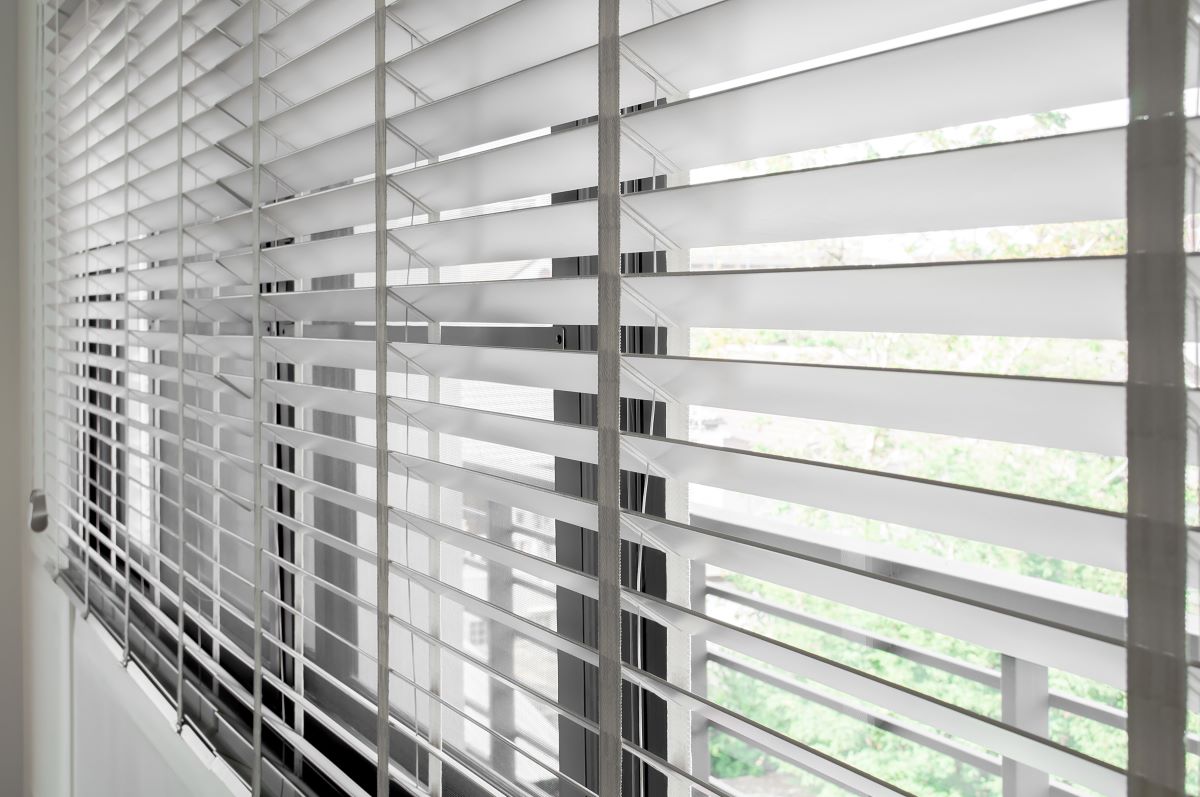
Aluminum Venetian blinds provide excellent control over light and privacy. The ability to tilt the slats allows us to direct light precisely, minimizing glare and creating specific lighting conditions.
Color and Finish Options
Beyond the traditional silver or white, designer aluminum blinds come in a wide array of colors and finishes, including brushed metals, matte textures, and even wood-grain effects. This allows us to integrate them seamlessly into almost any design scheme, adding a touch of industrial chic or understated elegance.
Intelligent Integration: Smart Features and Motorization
The evolution of technology has extended into the realm of window treatments, offering us the convenience and sophistication of smart blinds and motorization. This allows for enhanced functionality and seamless integration into our increasingly connected homes.
The Convenience of Motorized Blinds
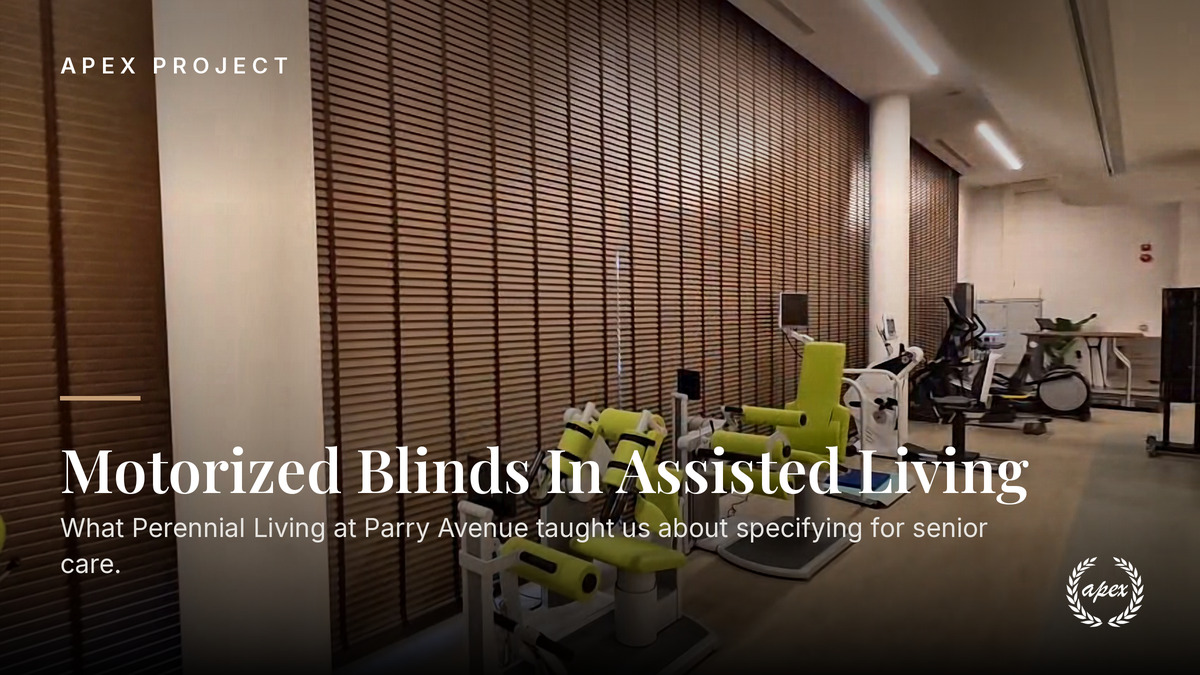
Motorized blinds offer a significant upgrade in terms of ease of use. No more fiddling with cords or wands; a simple command can raise, lower, or tilt the blinds. This is particularly beneficial for large windows, hard-to-reach windows, or for individuals with mobility challenges.
Remote Control and Wall Switches
The most straightforward form of motorization involves remote controls or discreet wall switches. This allows for effortless operation from anywhere within the room. We can select the type of control that best suits our existing setup.
Integration with Smart Home Systems
The real magic of motorized blinds often lies in their integration with broader smart home systems. We can program them to operate on schedules, respond to voice commands, or even link them to environmental sensors.
Scheduling for Energy Efficiency and Security
Imagine blinds that automatically close during the hottest part of the day to keep your home cool, or open in the morning to simulate natural waking. They can also be programmed to open and close at set times when we’re away, creating the illusion that someone is home, thus enhancing security.
Voice Control and App Operation
For a truly hands-free experience, many motorized blinds are compatible with voice assistants like Amazon Alexa, Google Assistant, or Apple HomeKit. We can also control them through dedicated smartphone applications.
Hands-Free Operation
Simply asking our smart speaker to “close the living room blinds” offers unparalleled convenience, especially when our hands are full. This seamless interaction adds a touch of modern luxury.
Customized Control and Scene Setting
Smartphone apps allow for even more granular control. We can create custom scenes, like “movie night,” which might dim the lights and close the blinds to a specific level. We can also manage individual blinds or groups of blinds remotely, whether we’re at work or on vacation.
The Craftsmanship of Design: Quality and Installation
When we opt for designer blinds, we are often investing in superior craftsmanship and a more considered approach to their creation and installation. This commitment to quality ensures both aesthetic appeal and long-term performance.
The Importance of Customization and Fit
Off-the-shelf blinds, while readily available, rarely offer the perfect fit. Designer blinds often emphasize customization to ensure they integrate flawlessly with our window dimensions and architectural style.
Precision Measurement for a Flawless Finish
Accurate measurements are fundamental. Custom-made blinds are manufactured to precise specifications, ensuring they hang perfectly and operate smoothly without any awkward gaps or binding. This attention to detail is a hallmark of designer solutions.
Blinds that Complement Architectural Details
We should consider how the blinds will interact with the more unique aspects of our architecture. Designer blinds can be tailored to accommodate awkward window shapes, bay windows, or even integrate discreetly within existing recessions.
Professional Installation: Ensuring Optimal Performance
While some DIY enthusiasts might consider installing blinds themselves, professional installation by experienced technicians is often recommended, especially for more complex or automated systems.
Expertise in Fitting and Functionality
Professional installers possess the knowledge and tools to ensure blinds are fitted securely and operate as intended. They can identify potential issues and provide solutions, guaranteeing optimal functionality.
Safe and Efficient Motorized System Setup
For motorized blinds, professional installation is crucial to ensure the wiring is done correctly and the system is calibrated for smooth and reliable operation. This minimizes the risk of malfunction and ensures the longevity of the smart features.
The Value of Warranties and Support
Designer blind providers often stand behind their products with robust warranties and dedicated customer support. This provides us with peace of mind and assurance in our investment.
Protecting Our Investment
A comprehensive warranty covers potential manufacturing defects and ensures that any issues that arise will be addressed. This demonstrates the manufacturer’s confidence in the quality of their product.
Ongoing Support and Maintenance Advice
Reliable customer support means we can get answers to our questions and receive advice on the maintenance and care of our blinds throughout their lifespan. This ensures we continue to enjoy their benefits for years to come.
In conclusion, when we approach the task of enhancing our spaces, we often look for elements that offer both form and function. Designer blinds, when carefully selected based on our practical needs and then chosen for their aesthetic qualities, materials, and innovative features, can indeed elevate a room from mere utility to something more considered and refined. They are not simply window coverings; they are an integral part of our interior design, contributing to the atmosphere, comfort, and overall appeal of our homes. By understanding the diverse options available and prioritizing quality and thoughtful integration, we can make informed choices that lead to lasting satisfaction and a truly transformed living experience.
FAQs
What are designer blinds?
Designer blinds are window coverings that are specifically designed to add a touch of style and sophistication to a room. They are often made with high-quality materials and come in a variety of colors, patterns, and textures to complement different interior design styles.
What are the benefits of designer blinds?
Designer blinds not only provide privacy and light control, but they also enhance the overall aesthetic of a room. They can add a luxurious and elegant touch to any space, and they are often customizable to fit specific window sizes and shapes.
What are the different types of designer blinds available?
There are various types of designer blinds available, including roller blinds, Roman blinds, Venetian blinds, and vertical blinds. Each type offers different features and benefits, so it’s important to consider the specific needs of the room when choosing the right type of designer blinds.
How do designer blinds differ from regular blinds?
Designer blinds are typically made with higher quality materials and offer more customization options compared to regular blinds. They are often designed by well-known brands or designers, and they are crafted with attention to detail to create a more luxurious and stylish look.
Where can I purchase designer blinds?
Designer blinds can be purchased from specialty window treatment stores, interior design boutiques, and online retailers. Many manufacturers and designers offer a wide range of designer blinds, allowing customers to find the perfect style and design to suit their needs.