Choosing the Perfect Window Blinds for Your Home
When we undertake the task of selecting window blinds for our homes, we are not merely purchasing a functional item; we are making a significant aesthetic and practical investment. The right blinds can transform a space, offering control over light, privacy, and insulation, while also contributing substantially to our home’s overall style and feel. We often find this decision to be more complex than initially anticipated, as the market presents a dizzying array of options. Navigating this landscape requires a methodical approach, considering both the practical needs of our living areas and our personal design preferences. We must think about the intended function of each room, the direction the windows face, and the existing décor. Our aim is to equip ourselves with the knowledge to make informed choices that will serve us well for years to come.
Before we even begin to browse catalogs or visit showrooms, we must engage in some introspection about what we truly need our window treatments to achieve. This foundational step is crucial for narrowing down the vast selection and ensuring we prioritize practicality. We should ask ourselves pointed questions about each room where blinds will be installed.
Light Control: Balancing Natural Illumination and Darkness
The amount of natural light a room receives can greatly influence its ambiance and usability. We often desire a balance – the ability to flood a space with sunlight when we want it, and to create a dim, restful environment when we don’t.
Maximizing Natural Light in Dimly Lit Rooms
In rooms that tend to be darker, perhaps due to their orientation or surrounding structures, we might opt for blinds that allow ample light to filter through. Light-colored blinds can also reflect sunlight, making the room appear brighter. We want to avoid anything that completely blocks the light, unless that is a very specific requirement.
Minimizing Glare and UV Rays for Sensitive Areas
For areas like home offices or rooms with valuable artwork or furniture, minimizing glare and UV rays is paramount. Excessive glare can be disruptive for computer work and can cause fading of fabrics and finishes over time. We need blinds that offer effective UV protection without sacrificing all natural light.
Achieving Complete Darkness for Sleep and Media Viewing
Bedrooms and home theaters require a different approach. Here, the ability to achieve complete darkness is often the primary concern. We look for options that offer excellent light-blocking capabilities to ensure restful sleep or immersive viewing experiences.
Privacy Considerations: Creating a Personal Sanctuary
Privacy is another fundamental need that window blinds address. We want to feel secure and comfortable in our homes, free from the prying eyes of our neighbors or passersby. The level of privacy required can vary significantly depending on the room and its location.
Ensuring Bedroom and Bathroom Seclusion
Bedrooms and bathrooms are typically the most private spaces within our homes. We demand absolute privacy in these areas, meaning no light should escape and no one should be able to see in, regardless of the time of day or night.
Maintaining Daytime Privacy in Living Areas
Even in living rooms and kitchens, we often want a degree of privacy during the day, especially if our windows face a busy street or a neighbor’s property. We seek blinds that offer a good balance between allowing light in and maintaining a visual barrier.
Addressing Street-Level Visibility Concerns
Homes situated at street level face particular privacy challenges. We must select blinds that effectively obscure the interior from pedestrians and vehicles without making the house feel entirely shut off from the outside world.
Insulation and Energy Efficiency: A Practical Benefit
Beyond light and privacy, window blinds can play a surprisingly significant role in our home’s energy efficiency. Properly chosen blinds can help regulate indoor temperature, reducing our reliance on heating and cooling systems.
Reducing Heat Gain in Summer
During the hot summer months, direct sunlight can significantly heat up our homes, leading to increased air conditioning usage. Blinds with reflective or insulating properties can help bounce sunlight away from windows, keeping our interiors cooler.
Minimizing Heat Loss in Winter
Conversely, in the winter, heat can escape through our windows. Insulating blinds act as an additional barrier, trapping warm air inside and reducing the amount of energy needed for heating.
Impact on Utility Bills
The cumulative effect of improved insulation can translate into noticeable savings on our utility bills. This long-term financial benefit is a strong reason to consider the energy-efficiency ratings of different blind options.
If you’re looking to enhance your home decor while also improving energy efficiency, you might find this article on the benefits of window blinds particularly insightful. It discusses various styles and materials that not only complement your interior design but also help regulate indoor temperatures. For more information, you can read the full article here: Benefits of Window Blinds.
Exploring Our Material Options: Texture, Durability, and Aesthetics
Once we have a clear understanding of our functional requirements, we can delve into the diverse array of materials available for window blinds. Each material possesses unique characteristics that impact its appearance, durability, and suitability for different environments.
Natural Materials: The Warmth of Wood and Bamboo
Natural materials offer a timeless appeal and can bring a sense of warmth and organic beauty into our homes. Their subtle variations in color and texture add a unique charm.
Wood Blinds: Classic Elegance and Customization
Wood blinds, often made from basswood or oak, are a popular choice for their classic elegance and versatility. They can be painted or stained to match any existing décor, offering a high degree of customization.
Durability and Maintenance of Wooden Blinds
Wooden blinds are generally durable, but they require careful maintenance. Exposure to high humidity can cause warping, and they need regular dusting or vacuuming to prevent dust buildup.
Cost Considerations for Wood Blinds
The cost of wood blinds can vary depending on the type of wood and the size of the windows. They tend to be a more premium option compared to some other materials.
Bamboo Blinds: Eco-Friendly and Exotic Appeal
Bamboo blinds offer an eco-friendly alternative, appealing to those with a conscious approach to material sourcing. They exude an exotic charm and are often lighter than wood.
Benefits of Bamboo and Its Unique Look
Bamboo’s natural strength and sustainability make it an attractive choice. Its unique grain patterns offer a distinctive aesthetic that can complement various interior styles.
Suitability for High-Humidity Areas
Bamboo generally handles humidity better than some woods, making it a suitable option for bathrooms and kitchens, though vigilance against excessive moisture is still advised.
Artificial Materials: Versatility and Practicality
Man-made materials provide a broad spectrum of advantages, including enhanced durability, ease of maintenance, and a wider range of price points.
Faux Wood Blinds: The Look of Wood Without the Compromise
Faux wood blinds offer the aesthetic appeal of real wood but are constructed from PVC or composite materials. This makes them more resistant to moisture, warping, and fading, ideal for demanding environments.
Moisture Resistance for Kitchens and Bathrooms
Their inherent resistance to moisture makes faux wood blinds an excellent choice for areas prone to high humidity, such as kitchens and bathrooms, where real wood might degrade.
Ease of Cleaning and Maintenance
Cleaning faux wood blinds is generally straightforward, often requiring just a damp cloth. This practicality makes them a low-maintenance option for busy households.
Vinyl Blinds: Budget-Friendly and Functional
Vinyl blinds are an economical choice, offering basic light control and privacy at an affordable price. They are widely available and come in a variety of colors.
Durability and Common Applications of Vinyl
While not as durable as some other options, vinyl blinds are sufficient for many general applications. They are often found in rental properties or for temporary solutions.
Limitations of Vinyl Blinds
Vinyl can become brittle over time, especially when exposed to extreme temperatures. They may also not offer the same degree of light blockage as more robust materials.
Fabric Blinds (Roller, Roman, Roller Shades): Softness and Style
Fabric blinds introduce a softness and texture that other materials cannot replicate. They offer a decorative element and can be tailored to specific design themes.
Variety of Fabric Types and Patterns
The selection of fabrics for roller and Roman shades is vast, ranging from sheer linens to blackout velvets and a multitude of patterns and colors.
Light Filtering vs. Blackout Fabrics
We can choose between light-filtering fabrics that diffuse light softly, creating a gentle ambiance, or blackout fabrics that completely block light for maximum darkness.
Considering Our Window Types and Room Layouts: A Tailored Approach
The physical characteristics of our windows and the layout of our rooms play a crucial role in determining which blind styles will be most suitable and functional. We must not overlook these practical limitations and opportunities.
Standard Windows and Common Blind Types
For most standard window sizes, a wide range of blind options will be compatible. This is where we have the most flexibility in our choices.
Horizontal Blinds (Venetian, Mini, Micro)
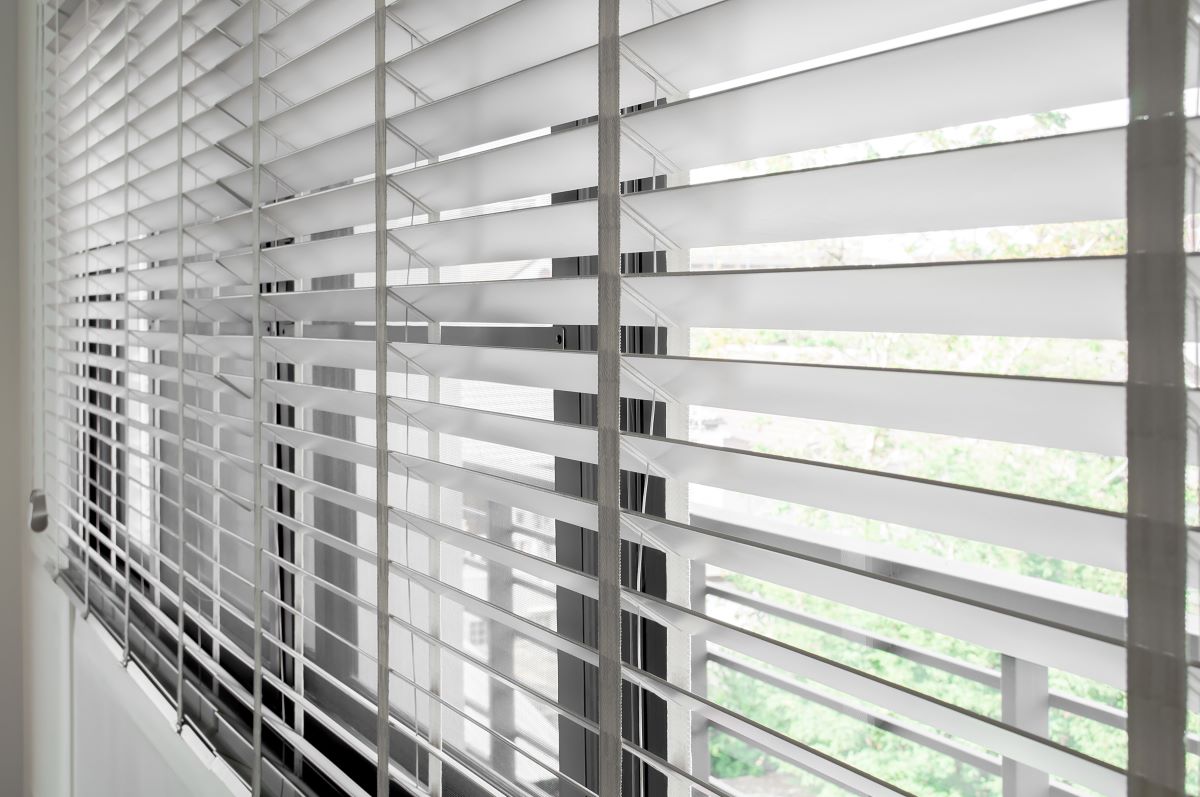
Horizontal blinds, with their adjustable slats, offer excellent control over light and direction. They are a popular choice for their versatility and ease of operation.
Slats Widths and Their Visual Impact
The width of the slats can significantly impact the visual appearance. Wider slats offer a more modern look, while narrower slats can feel more traditional.
Cord Control vs. Cordless Operation
We have the option of traditional cord-operated blinds or increasingly popular cordless systems, which offer enhanced safety and a cleaner aesthetic.
Vertical Blinds: Ideal for Sliding Doors and Large Windows
Vertical blinds, with their long, overlapping slats, are particularly well-suited for covering large expanses of glass, such as sliding patio doors and picture windows.
Control Over Light and Airflow
The ability to angle the slats allows for precise control over incoming light and airflow, making them a practical choice for managing room temperature.
Aesthetic Considerations for Vertical Blinds
While highly functional, vertical blinds can sometimes be perceived as less aesthetically pleasing than other options, depending on the material and design.
Specialty Windows and Unique Solutions
Some windows present unique challenges or opportunities that require specific blind solutions. We must adapt our choices to these specific circumstances.
Bay and Bow Windows: Custom-Fit Solutions
Bay and bow windows, with their angled or curved designs, often require custom-made blinds to ensure a perfect fit and optimal functionality.
Measuring and Fitting Challenges
Accurate measurement and professional installation are critical for bay and bow window blinds to avoid gaps and ensure a pleasing appearance.
Options for Angled and Curved Frames
We might consider angled blind panels or specialized track systems to accommodate the unique shapes of these windows.
Skylights and Angled Windows: Specialized Mechanisms
Skylights and other angled windows present a challenge due to gravity. We need blinds with specialized mechanisms to keep them securely in place.
Roller Shades with Tension Systems
Tensioned roller shades are a common solution for skylights, utilizing spring-loaded systems to keep the fabric taut and prevent sagging.
Retractable Blinds for Easy Adjustment
Retractable blinds, often operated by a crank or motor, allow for easy adjustment of light and privacy on hard-to-reach angled windows.
Room Layout and Obstructions: Practical Limitations
The placement of furniture, radiators, and other obstructions within a room can influence the type of blinds we can install and how they operate.
Blinds That Mount Inside the Window Frame
For a cleaner look or when there are minimal obstructions outside the frame, inside-mount blinds can be a good solution. They sit within the window recess.
Factors Affecting Inside Mount Feasibility
We need to ensure there is sufficient depth within the window frame for the blind mechanism and that any window cranks or latches are not impeded.
Blinds That Mount Outside the Window Frame
Outside-mount blinds are often necessary when the window frame is too shallow for an inside mount or when we wish to cover more of the wall area around the window.
Achieving a Fully Blocked View
Mounting blinds outside the frame can provide a more complete blackout effect, ensuring no light seeps in through the edges.
Style and Aesthetics: Harmonizing Blinds with Our Décor
Beyond functionality, the visual impact of our blinds is paramount. They are an integral part of our home’s interior design and should complement our existing style.
Modern and Minimalist: Clean Lines and Subtle Textures
For contemporary interiors, we often gravitate towards blinds that embody clean lines and understated elegance, avoiding excessive ornamentation.
Sleek Roller Shades and Futuristic Designs
Roller shades in neutral colors or with subtle textures offer a sleek and unobtrusive look. Some modern designs incorporate automated features for added convenience.
Aluminum and Slim-Slatted Blinds
Aluminum blinds, in particular, can lend a polished, industrial, or minimalist feel. Slim slats maintain a sense of openness while still offering light control.
Traditional and Classic: Rich Materials and Timeless Designs
Homes with traditional or classic décor often benefit from blinds that convey a sense of warmth, richness, and enduring style.
Wood Blinds and Their Natural Grain
The natural beauty and grain of wood blinds are perfectly suited for classic interiors, adding depth and character.
Fabric Roman Shades with Elegant Drapery
Roman shades, especially those made from luxurious fabrics and paired with complementary drapery, can create a sophisticated and timeless aesthetic.
Eclectic and Bohemian: Bold Colors and Unique Textures
For those who embrace a more eclectic or bohemian style, window blinds can serve as an opportunity to introduce bold colors, unique patterns, and interesting textures.
Vibrant Colored Roller Shades
A brightly colored roller shade can act as a focal point, injecting personality and energy into a space.
Woven Wood Blinds with Natural Imperfections
Woven wood blinds, with their intricate patterns and natural variations, can add an artisanal and bohemian flair, contributing to a layered and inviting atmosphere.
When considering the best options for enhancing your home’s interior, window blinds can play a significant role in both aesthetics and functionality. For those looking to explore various styles and materials, a helpful resource can be found in a related article that discusses the benefits of different types of window coverings. You can read more about it in this informative piece on window treatments, which provides insights into how to choose the right blinds for your space. If you’re interested, check out the article here.
Installation and Maintenance: Ensuring Longevity and Ease of Use
<?xml encoding=”UTF-8″>
| Types of Window Blinds | Materials | Price Range |
|---|---|---|
| Venetian Blinds | Wood, Aluminum, PVC | 20 – 200 |
| Roman Blinds | Fabric | 50 – 300 |
| Roller Blinds | Fabric, Vinyl | 30 – 150 |
| Vertical Blinds | Fabric, PVC, Aluminum | 40 – 250 |
Our choices about blinds aren’t solely about their initial appearance and function; we must also consider how they will be installed and how we will maintain them over time. This foresight ensures a positive long-term experience.
DIY Installation vs. Professional Services
Deciding whether to tackle blind installation ourselves or hire professionals is an important consideration, impacting both cost and potential outcomes.
When DIY is a Viable Option
For simpler blind types and experienced DIYers, installation can be a cost-effective and rewarding endeavor. We must ensure we have the right tools and follow instructions carefully.
Benefits of Professional Installation
Professional installers possess the expertise and specialized tools to ensure blinds are fitted perfectly, operate smoothly, and are securely mounted. This is particularly beneficial for complex window types or heavier blinds.
Regular Cleaning and Care Routines
Consistent cleaning and maintenance are essential for preserving the appearance and functionality of our blinds. The specific methods will vary depending on the material.
Dusting and Wiping Down Surfaces
Regular dusting with a microfiber cloth or vacuuming with a brush attachment can prevent dust buildup on various blind materials. For washable materials, gentle wiping with a damp cloth is usually sufficient.
Dealing with Stains and Grime
For more stubborn stains, specific cleaning solutions tailored to the blind material will be necessary. We must always test cleaning products in an inconspicuous area first.
Addressing Potential Issues and Repairs
Even with the best care, blinds can sometimes develop issues. Understanding potential problems and how to address them can save us time and money.
Common Problems with Blinds
Common issues include stuck slats, broken cords, or malfunctioning mechanisms. Identifying the source of the problem is the first step towards a solution.
Simple Repairs and When to Call a Professional
Many minor repairs, like reattaching a slat or replacing a cord, can often be resolved with basic DIY techniques. For more significant damage or complex mechanisms, professional repair services may be the more practical route.
FAQs
What are window blinds?
Window blinds are window coverings made of horizontal or vertical slats that can be adjusted to control the amount of light and privacy in a room. They are typically made of materials such as wood, metal, or fabric.
What are the benefits of using window blinds?
Window blinds offer several benefits, including controlling the amount of light and privacy in a room, enhancing the aesthetic appeal of a space, and providing insulation to help regulate the temperature inside a room.
How do window blinds operate?
Window blinds can be operated manually by using a cord, wand, or pull mechanism to adjust the position of the slats. They can also be motorized, allowing for remote control or automated operation.
What are the different types of window blinds available?
There are several types of window blinds available, including horizontal blinds such as Venetian blinds and mini blinds, vertical blinds, roller blinds, Roman shades, and cellular shades. Each type offers different styles and functionalities.
How do I clean and maintain window blinds?
The cleaning and maintenance of window blinds depend on the material they are made of. Generally, regular dusting and occasional deep cleaning are recommended. Specific cleaning instructions can be found in the manufacturer’s guidelines for each type of window blind.