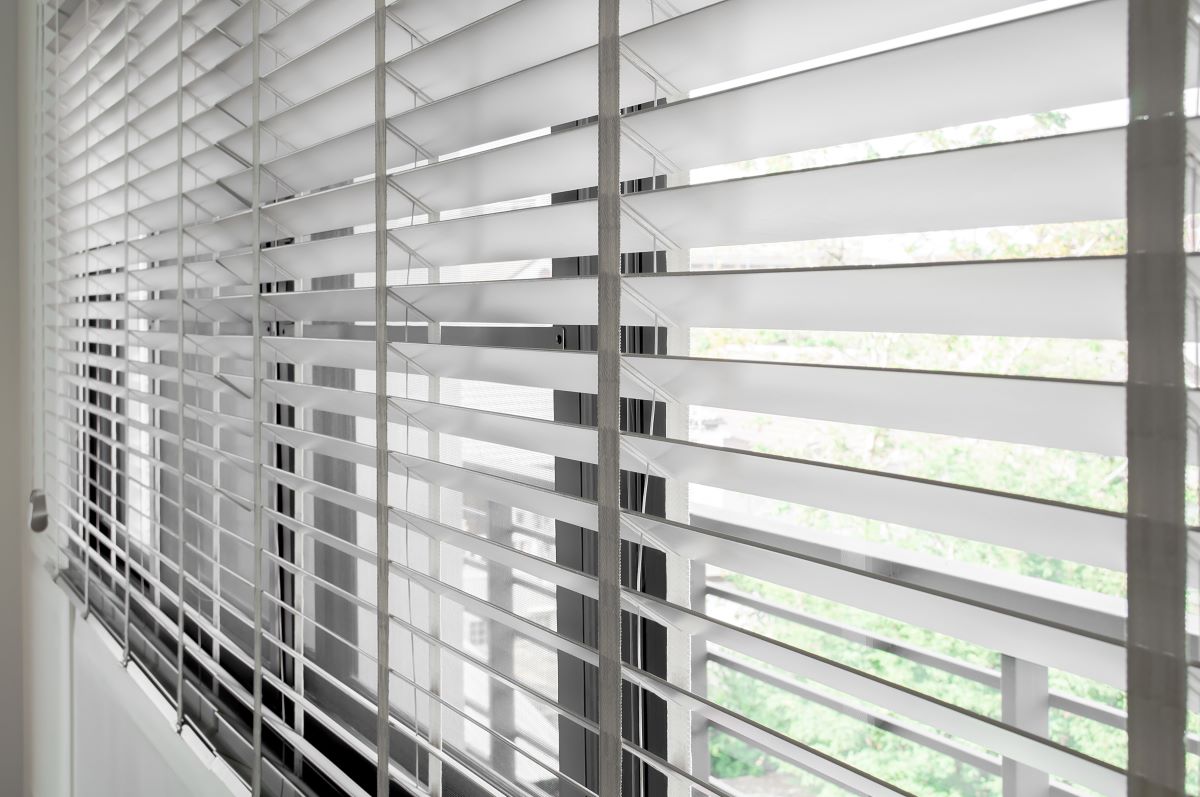
We understand the intrinsic value of versatile light control within our living and working spaces. The ability to precisely modulate natural light isn’t merely an aesthetic choice; it’s a foundational element of comfort, productivity, and privacy. This nuanced approach to light management is where day and night blinds, also known as dual or combi blinds, truly excel. They offer a sophisticated solution that transcends the limitations of single-purpose window coverings, granting us an unprecedented degree of control over our environments.
To appreciate the comprehensive benefits of day and night blinds, we must first delve into their ingenious design and operational mechanics. Unlike traditional blinds, which typically offer an ‘open’ or ‘closed’ state, day and night blinds integrate two distinct layers of fabric. This dual-layer system is central to their functionality and forms the basis of their versatility.
The Alternating Fabric Strips
At the core of these blinds are alternating strips of opaque and sheer fabric. This design is not arbitrary; it’s a carefully considered engineering choice that allows for precise light manipulation. The opaque sections block out light and provide privacy, while the sheer sections allow diffused light to filter through, maintaining a connection to the outside world without compromising on solitude.
How They Operate
The operation of day and night blinds is remarkably straightforward, typically controlled by a continuous loop chain or, for modern convenience, motorized options. As we adjust the blinds, the front and back layers slide past each other. This movement allows us to align the opaque strips to completely overlap, effectively blocking external light, or to align the sheer strips, allowing light transfusion. A third, intermediate position allows for partial overlap, creating a softened, diffused light effect.
Material Composition and Durability
The materials used in day and night blinds are chosen for both function and longevity. The opaque strips are often made from polyester or similar synthetic fabrics, treated to be UV resistant and durable. The sheer sections utilize finer, sometimes textured, synthetic weaves that allow light without sacrificing resilience. This combination ensures that the blinds not only perform their light control function effectively but also withstand the rigors of daily use and exposure to sunlight.
If you’re considering enhancing your home with stylish and functional window treatments, you might find our related article on day and night blinds particularly insightful. This article delves into the benefits and versatility of these innovative blinds, helping you understand how they can transform your living space while providing optimal light control. To explore more about day and night blinds, visit our article here: Day and Night Blinds: A Comprehensive Guide.
The Spectrum of Light Control: From Blackout to Sheer
One of the primary advantages that draws us to day and night blinds is their unparalleled ability to manage light across a wide spectrum. This adaptability makes them suitable for virtually any room and any time of day, addressing diverse needs that single-layer blinds cannot.
Achieving Optimal Privacy
In our homes, privacy is paramount. Day and night blinds offer a robust solution to this need. By fully aligning the opaque strips, we effectively create a solid barrier, preventing onlookers from seeing into our spaces. This is particularly crucial in bedrooms, bathrooms, and ground-floor living areas, where discretion is often a primary concern. The solid fabric also contributes to a sense of enclosure and security, which we value.
Harnessing Natural Light for Ambience
Conversely, we often desire abundant natural light to brighten our rooms and enhance our mood. With day and night blinds, we can precisely adjust the alignment of the sheer strips to allow filtered light to enter. This diffused light creates a soft, inviting atmosphere, free from harsh glares, which is ideal for living rooms, kitchens, and conservatories. We can maintain our connection with the outdoors while still moderating intense sunlight.
Mitigating Glare and UV Exposure
Direct sunlight can be problematic, causing glare on screens and fading furniture and flooring over time due to UV exposure. Day and night blinds allow us to mitigate these issues effectively. By partially aligning the sheer and opaque strips, we can reduce glare significantly while still permitting ambient light. Furthermore, the opaque strips, when fully closed, provide a substantial barrier against harmful UV rays, protecting our interiors from sun damage.
Aesthetic Integration and Design Considerations
Beyond their functional attributes, day and night blinds also contribute significantly to the aesthetic appeal of a room. Their streamlined design and variety of available styles allow us to integrate them seamlessly into diverse interior design schemes, enhancing the overall look and feel of our spaces.
Modern and Minimalist Appeal
The clean lines and uncluttered appearance of day and night blinds align well with modern and minimalist interior design principles. Their sleek profile means they don’t protrude excessively from the window frame, maintaining an uncluttered look. We appreciate how their unobtrusive nature allows other design elements within the room to take precedence, rather than the blinds themselves dominating the visual space.
Color and Fabric Options
Manufacturers offer a broad spectrum of colors and fabric textures for day and night blinds. This variety allows us to choose options that complement our existing décor, whether we are seeking to match wall colors, furniture, or accent pieces. From subtle neutrals that blend into the background to bolder shades that create a focal point, the choices are extensive. We can opt for textured fabrics to add tactile interest or smooth finishes for a more contemporary feel.
Enhancing Room Height and Width
The horizontal striped design of day and night blinds can subtly influence the perceived dimensions of a room. When installed within a window recess, the horizontal lines can create an illusion of width, making a narrow room feel more expansive. Conversely, when mounted higher than the window frame, they can draw the eye upwards, contributing to a sense of increased ceiling height. These subtle spatial manipulations are valuable tools in our design toolkit.
Energy Efficiency and Thermal Regulation
In an era where energy conservation is a significant consideration, we find that day and night blinds offer more than just light control; they also contribute to the thermal efficiency of our homes and offices. Their dual-layer construction provides an additional barrier against heat transfer, helping us maintain a more stable indoor temperature.
Reducing Heat Gain in Summer
During warmer months, direct sunlight can significantly contribute to indoor heat gain, leading to increased air conditioning usage. By utilizing the opaque sections of day and night blinds, we can block solar radiation from entering our rooms. This acts as an insulating layer, reducing the amount of heat absorbed through the windows. The result is a cooler indoor environment and, consequently, lower energy consumption for cooling.
Minimizing Heat Loss in Winter
Conversely, in colder climates, windows can be a major source of heat loss. When the opaque strips of day and night blinds are fully closed, they create an additional thermal barrier. A layer of air is often trapped between the window pane and the blind fabric, which acts as a modest insulator, slowing the transfer of warmth from the inside to the cold exterior. This effect, while not as substantial as double glazing, can still contribute to a warmer room and reduced heating costs.
UV Protection for Interiors
Beyond temperature regulation, the ability to block UV rays has a direct impact on the longevity of our interior furnishings. Prolonged exposure to ultraviolet light can cause fabrics to fade, wood finishes to become discolored, and artwork to degrade. By selectively using the opaque layers of day and night blinds, we can significantly reduce UV penetration, thereby protecting our valuable furniture, carpets, and decor from premature aging. This protective function helps us preserve the investment we make in our interiors.
If you’re considering upgrading your window treatments, you might find it helpful to explore the benefits of motorized options. For instance, a related article discusses how motorized blinds can enhance convenience and energy efficiency in your home. You can read more about it in this informative piece on motorized blinds, which highlights various features and advantages that can complement your day and night blinds perfectly.
Maintenance and Longevity of Day and Night Blinds
<?xml encoding=”UTF-8″>
| Blind Type | Day Blinds | Night Blinds |
|---|---|---|
| Light Control | Allows light in | Blocks light out |
| Privacy | Provides privacy | Enhances privacy |
| Energy Efficiency | Reduces heat gain | Improves insulation |
When considering any home improvement, practicality and long-term durability are key factors for us. Day and night blinds, by their very nature, are designed for ease of maintenance and offer a robust lifespan if cared for appropriately. Understanding the best practices for cleaning and addressing potential issues ensures they remain a valuable asset for years to come.
Simple Cleaning Routines
Maintaining the pristine appearance of day and night blinds is generally straightforward. Regular dusting with a soft brush or a microfiber cloth is usually sufficient to prevent the accumulation of dirt and grit. For more stubborn marks or minor spills, spot cleaning with a damp cloth and a mild detergent can be effective. It is crucial to avoid harsh chemical cleaners, as these can damage the fabric or alter its color. We always recommend testing any cleaning solution on an inconspicuous area first.
Addressing Fabric Creases and Wrinkles
Occasionally, especially after initial installation or prolonged storage, some minor creasing might be observed in the fabric. Often, these minor wrinkles relax over time with ambient room temperature and gravity. For more persistent creases, a handheld steamer can be used cautiously, holding it at a safe distance from the fabric to loosen the fibers without causing damage. It is important to avoid direct contact or excessive heat, as this can distort or melt synthetic fabrics.
Longevity and Durability Considerations
The lifespan of day and night blinds is largely dependent on the quality of materials and the frequency of use. High-quality fabrics and robust operating mechanisms contribute significantly to their durability. We advise investing in blinds from reputable manufacturers who use UV-stable fabrics to prevent premature fading and provide reliable hardware components. Proper installation also plays a crucial role; correctly hung blinds operate smoothly and are less prone to wear and tear. With reasonable care, we have found that day and night blinds can provide many years of effective service.
Conclusion
From our perspective, the decision to incorporate day and night blinds into a space is a practical one, driven by the desire for adaptable light control, enhanced privacy, and improved thermal efficiency. Their dual-layer design offers a sophisticated yet intuitive solution to managing natural light, allowing us to transition seamlessly from full illumination to complete blackout with a simple adjustment. Beyond their functional prowess, their clean aesthetic and diverse material options ensure they complement a wide array of interior styles. When we weigh the benefits of precise light modulation, glare reduction, UV protection, and their contribution to energy conservation, day and night blinds emerge as a versatile and considered choice for any modern environment. They provide us with the tools to tailor our surroundings, ensuring comfort, productivity, and privacy are always within our control.
FAQs
What are day and night blinds?
Day and night blinds are a type of window covering that consists of alternating translucent and opaque fabric panels. This design allows for flexible light control and privacy options throughout the day and night.
How do day and night blinds work?
Day and night blinds work by allowing the user to adjust the position of the translucent and opaque panels to control the amount of light and privacy in a room. By aligning the panels in different ways, the user can achieve varying levels of light filtration and visibility.
What are the benefits of using day and night blinds?
Day and night blinds offer several benefits, including versatile light control, privacy options, and a modern aesthetic. They also provide insulation and can help regulate the temperature in a room, making them energy-efficient.
How are day and night blinds different from traditional blinds?
Day and night blinds differ from traditional blinds in their design, as they feature alternating translucent and opaque panels that can be adjusted independently. This allows for more customizable light control and privacy options compared to traditional blinds.
Are day and night blinds suitable for all window sizes?
Day and night blinds are available in a variety of sizes to accommodate different window dimensions. They can be custom-made to fit specific window sizes, making them suitable for most windows.