We often find ourselves facing the challenge of decorating our homes while adhering to a budget. When it comes to window treatments, the perception can be that style comes at a high price. However, our explorations have revealed a different reality: affordable blinds can indeed be both stylish and functional. We’re not talking about sacrificing quality or aesthetics; we’re referring to a practical approach to home decor that prioritizes value without compromising on the desired look and feel. Our objective here is to demystify the process of finding attractive window coverings that don’t break the bank, demonstrating that budget-friendly options can elevate an interior just as effectively as their more expensive counterparts. We understand the importance of making informed decisions, and our aim is to provide a comprehensive guide to navigating the world of economical window treatments.
Before we delve into specific types, it’s crucial for us to establish a foundational understanding of what constitutes “affordable” in the context of blinds. Our definition isn’t about the cheapest available product, but rather the best value for money. This involves considering durability, aesthetic appeal, and functionality alongside the price tag. We’ve observed that many retailers now offer extensive ranges of blinds that cater to various budgets, often employing innovative manufacturing processes and materials to keep costs down without a significant dip in quality.
Deciphering Material Choices and Their Impact on Cost
The material from which blinds are constructed significantly influences their price. Our research indicates that certain materials inherently cost less to produce, allowing for more budget-friendly retail prices.
- PVC and Faux Wood: We frequently encounter PVC and faux wood blinds as excellent alternatives to real wood. They offer a similar visual appeal, often replicating grain patterns convincingly, but at a fraction of the cost. Beyond their affordability, we appreciate their practical benefits, such as resistance to moisture, making them ideal for kitchens and bathrooms.
- Polyester and Fabric Blends: For fabric-based blinds, polyester and various synthetic blends are commonly used. These materials are cost-effective to manufacture and offer a wide array of colors and patterns. We find them to be particularly versatile, suitable for roller blinds, vertical blinds, and even some roman blind styles. Their durability and ease of cleaning often add to their overall value proposition.
- Aluminum: Aluminum blinds, often referred to as Venetian blinds, are another budget-friendly option we readily recommend. They are lightweight, durable, and come in a broad spectrum of finishes. Their metallic sheen can add a contemporary touch to a room without requiring a significant financial outlay.
Exploring Manufacturing Processes and Retailer Strategies
The way blinds are manufactured and distributed also plays a role in their affordability. We’ve noted that certain approaches lead to more competitive pricing for consumers.
- Mass Production vs. Customization: Generally, mass-produced blinds are more affordable than custom-made options. We often find that standard sizes and designs, produced in large quantities, benefit from economies of scale, allowing retailers to offer them at lower prices. This doesn’t mean compromising on quality; it simply reflects an efficient production model.
- Direct-to-Consumer Models: We’ve increasingly seen retailers adopting direct-to-consumer models, cutting out intermediaries and thereby reducing overheads. This often translates into lower prices for us, the end consumers. Online retailers, in particular, frequently offer competitive pricing due to their reduced operational costs compared to traditional brick-and-mortar stores.
If you’re looking to enhance your home decor while keeping costs low, consider exploring the world of affordable window treatments. For instance, cheap blinds can be a stylish and practical solution for any room. To further complement your window treatments, you might find the article on curtain installation particularly useful. It provides valuable tips and techniques for mastering the art of hanging curtains, which can beautifully coordinate with your new blinds. You can read more about it here: Mastering the Art of Curtain Installation.
Unveiling Popular Affordable Blind Styles
Now that we understand the underlying factors influencing price, we can explore specific blind styles that consistently prove to be budget-friendly choices without sacrificing aesthetic appeal. We’ve identified several types that offer excellent value and versatility.
Roller Blinds: Simplicity and Versatility
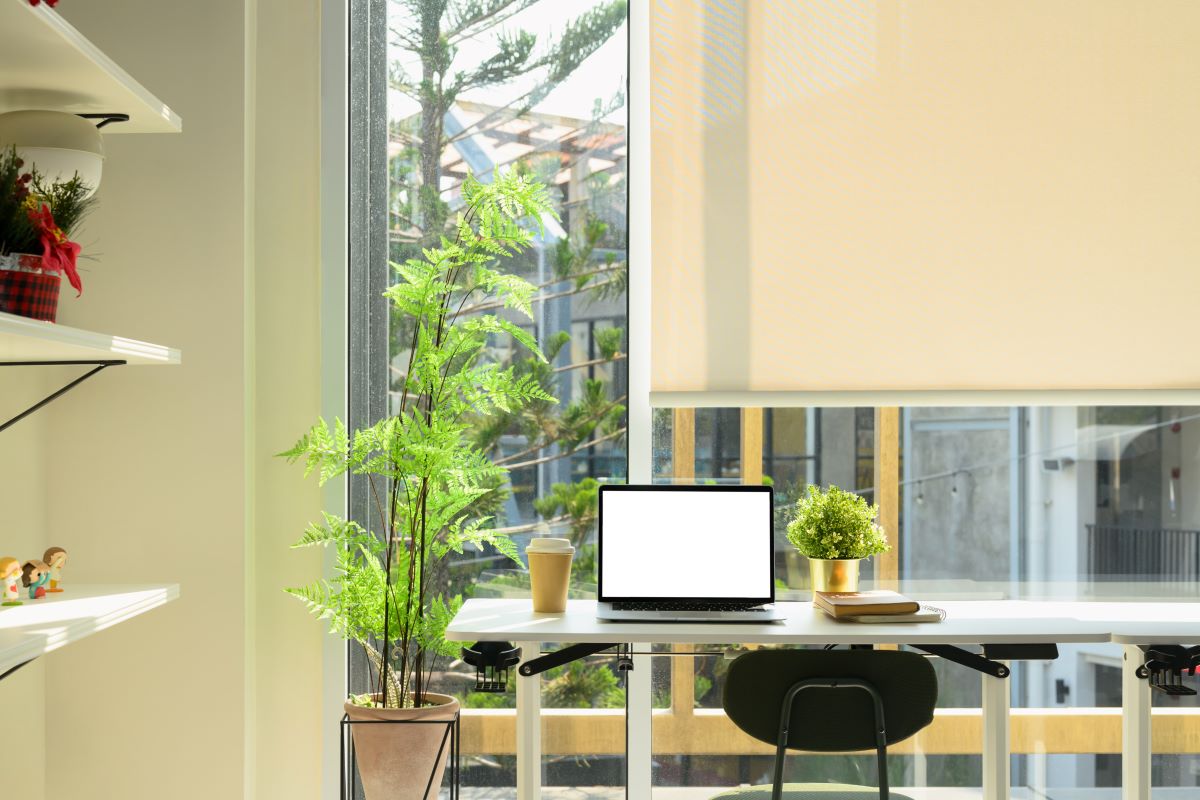
Roller blinds are perhaps the most straightforward and often the most affordable option we encounter. Their simple design, consisting of a single piece of fabric that rolls up and down, contributes to their cost-effectiveness.
- Material Variety and Light Control: We appreciate the wide range of materials available for roller blinds, from sheer fabrics that allow diffused light to blackout fabrics that provide complete privacy and light blockage. This versatility makes them suitable for almost any room in the house.
- Ease of Installation and Maintenance: For us, ease of installation is a significant advantage, and roller blinds are typically very simple to mount. Their minimalistic design also makes them easy to clean and maintain, contributing to their long-term value.
Vertical Blinds: Practicality for Large Windows
Vertical blinds are a highly practical and often economical choice, especially for larger windows and sliding glass doors. We find them to be an effective solution for spaces where horizontal blinds might appear cumbersome.
- Cost-Effectiveness for Expansive Areas: Our experience shows that vertical blinds are often more cost-effective per square foot than many other blind types, making them an excellent choice for covering broad expanses of glass without a significant investment.
- Light and Privacy Control: The ability to tilt the vertical slats allows for precise control over light and privacy. We can angle them to direct light where desired while still maintaining a degree of seclusion, a feature we find particularly useful in living areas.
Venetian Blinds: Classic Appeal on a Budget
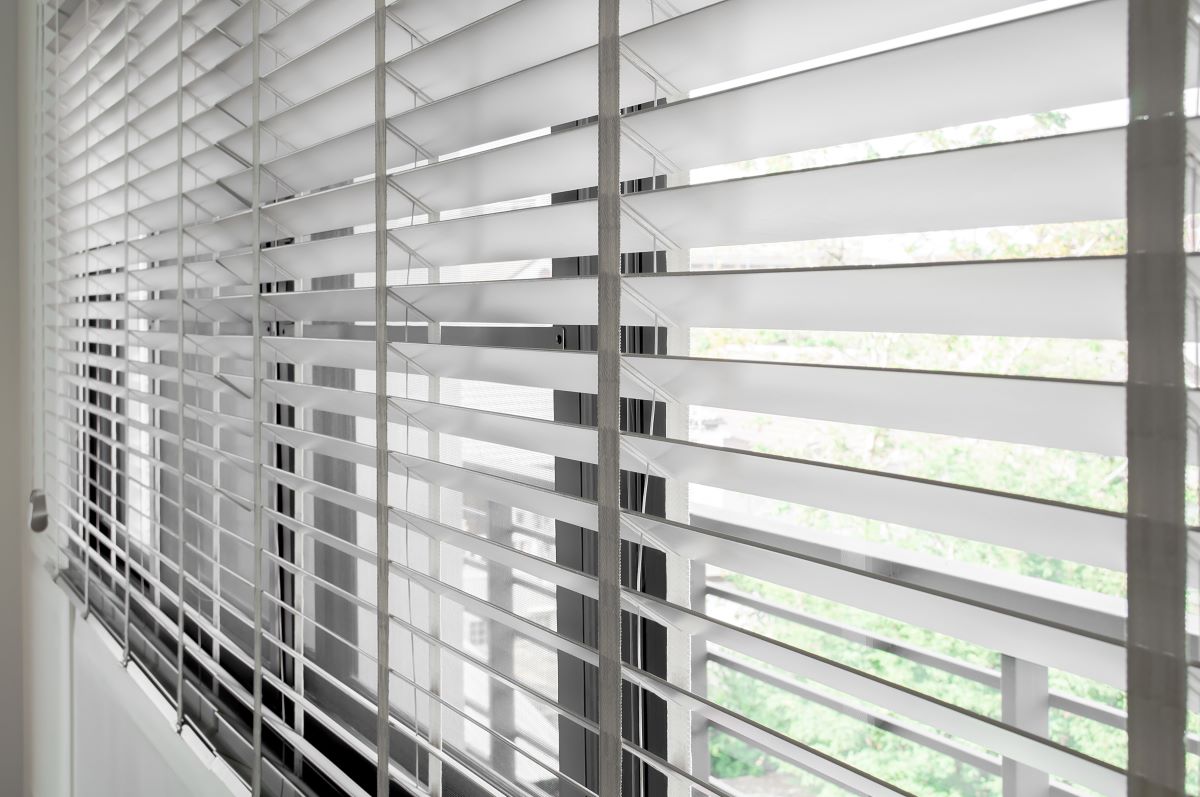
Venetian blinds, with their horizontal slats, offer a timeless look and excellent light control, often at an affordable price point. We frequently recommend them for their functional and aesthetic balance.
- Aluminum and Faux Wood Options: As we discussed earlier, aluminum and faux wood Venetian blinds are particularly budget-friendly. We appreciate their durability and moisture resistance, making them suitable for various environments.
- Adjustable Light Filtration: The ability to tilt the slats allows us to fine-tune the amount of light entering a room, a feature we find invaluable for managing glare and creating different ambiences throughout the day.
Mini Blinds: Compact and Economical
Mini blinds, essentially narrower-slatted Venetian blinds, are another option we consider highly economical, particularly for smaller windows.
- Small Window Solutions: For compact windows or those in less prominent areas, mini blinds offer a discreet and cost-effective solution. Their slim profile means they don’t overpower the window frame.
- Simple Functionality: We find mini blinds to be very straightforward in their operation, providing basic light control and privacy without unnecessary frills. This simplicity often translates to a lower price point.
Maximizing Value: Smart Shopping Strategies
Finding affordable blinds isn’t just about identifying economical styles; it’s also about employing smart shopping strategies. We’ve learned that a thoughtful approach to purchasing can significantly impact the overall cost.
Leveraging Sales and Discounts
One of the most effective ways we’ve found to save money is by capitalizing on sales and promotional offers. Many retailers regularly offer discounts on their window treatment ranges.
- Seasonal Sales and Holiday Promotions: We consistently observe significant discounts during major holiday periods such as Black Friday, Cyber Monday, and end-of-season sales. Planning purchases around these times can lead to substantial savings.
- Newsletter Subscriptions and Loyalty Programs: Many online and brick-and-mortar retailers offer exclusive discounts to subscribers of their newsletters or members of their loyalty programs. We encourage signing up for these to receive timely notifications of upcoming sales and special offers.
Exploring Online Retailers and Bulk Purchases
The internet has revolutionized how we shop for home decor, and blinds are no exception. Online retailers often provide more competitive pricing due to lower overheads.
- Comparing Prices Across Platforms: We regularly compare prices from various online retailers to ensure we’re getting the best deal. Aggregator websites and price comparison tools can be particularly useful in this regard.
- Bulk Order Discounts: If we’re outfitting multiple windows or an entire home, inquiring about bulk order discounts can lead to considerable savings. Many retailers are amenable to negotiating prices for larger purchases.
Considering Ready-Made vs. Custom Options
While custom blinds offer precise fit and unparalleled personalization, ready-made options are generally more budget-friendly. We weigh the trade-offs carefully.
- Standard Sizes for Cost Savings: For windows that fit standard dimensions, ready-made blinds are almost always the more economical choice. We measure our windows accurately to see if standard sizes will suffice, as this can lead to significant cost reductions.
- Importance of Accurate Measurements: Regardless of whether we choose ready-made or custom, precise measurements are paramount. Incorrect measurements can lead to blinds that don’t fit well, functionally or aesthetically, and may necessitate costly returns or replacements. We always double-check our measurements before placing an order.
DIY Installation: Saving on Professional Fees
Another significant area where we can save money is by undertaking the installation ourselves. While professional installation provides convenience, it often comes with a considerable cost.
The Benefits of Self-Installation
We’ve found that with a little research and basic tools, most affordable blinds can be installed without the need for professional help.
- Cost Reduction: Eliminating installation fees can shave a substantial amount off the total cost of our window treatments. For multiple windows, these savings can be quite significant.
- Sense of Accomplishment: There’s a certain satisfaction we derive from completing a home improvement project ourselves. It allows us to be more intimately involved in the realization of our home’s aesthetic.
Necessary Tools and Resources
While self-installation is generally straightforward, having the right tools and guidance is crucial for a smooth process.
- Basic Tool Kit: We typically require a drill, a screwdriver, a tape measure, and a pencil. For specific blind types, a level might also be beneficial to ensure straight installation.
- Manufacturer Instructions and Online Tutorials: Most blind manufacturers provide detailed installation instructions. Additionally, we often refer to online video tutorials, which can offer visual guidance and helpful tips for various blind styles. We always advise reviewing these resources thoroughly before beginning the installation process.
If you’re looking to enhance your home decor without breaking the bank, consider exploring the benefits of affordable window treatments. A great option to consider is aluminum Venetian blinds, which not only provide excellent light control but also add a modern touch to any room. For more information on these stylish and budget-friendly solutions, check out this article on aluminum Venetian blinds. These blinds are a practical choice for anyone wanting to combine functionality with aesthetics in their living space.
Maintaining Your Affordable Blinds for Longevity
<?xml encoding=”UTF-8″>
| Blind Type | Material | Price Range | Color Options |
|---|---|---|---|
| Venetian Blinds | Aluminum | 10 – 30 | White, Silver, Black |
| Roman Blinds | Fabric | 20 – 50 | Beige, Grey, Blue |
| Roller Blinds | PVC | 15 – 40 | White, Cream, Brown |
Our focus on affordability should not equate to disposability. We believe that with proper care and maintenance, even budget-friendly blinds can last for many years, offering continued value.
Routine Cleaning Practices
Regular cleaning is fundamental to preserving the appearance and functionality of our blinds. The cleaning method we employ depends on the material of the blinds.
- Dusting and Vacuuming: For most blind types, regular dusting with a duster or a soft cloth is sufficient to prevent dust buildup. For fabric blinds, using a vacuum cleaner with an upholstery attachment on a low setting can effectively remove accumulated dust and debris.
- Spot Cleaning: For fabric blinds, we address spills and stains promptly with a mild detergent and a damp cloth. With PVC, faux wood, or aluminum blinds, a damp cloth with a gentle cleaning solution can effectively wipe away dirt and grime. We always recommend testing any cleaning solution on an inconspicuous area first to ensure it doesn’t cause discoloration.
Addressing Minor Repairs
Sometimes, small issues can arise with blinds, such as a broken slat or a malfunctioning cord. We’ve found that addressing these minor repairs promptly can prevent them from escalating into larger, more costly problems.
- Replacement Parts: Many manufacturers and third-party suppliers offer replacement parts for common blind components like slats, clips, and cords. We recommend keeping an eye out for these, as replacing a small part is often far more economical than purchasing an entirely new blind.
- DIY Fixes: Simple repairs, such as reattaching a fallen slat or untangling a knotted cord, can often be done ourselves with minimal effort. Online tutorials and community forums can be excellent resources for troubleshooting and finding solutions to common blind issues.
Ultimately, our collective experience confirms that stylish window treatments do not have to be a luxury. By understanding the underlying cost factors, exploring various affordable styles, employing smart shopping strategies, and mastering basic installation and maintenance, we can adorn our homes with attractive and functional blinds that perfectly align with our budgetary constraints. It is about making informed choices and being resourceful, ensuring that comfort and aesthetics are accessible to all without undue financial strain.
FAQs
What are cheap blinds?
Cheap blinds are window coverings that are affordable and budget-friendly. They are often made from less expensive materials such as vinyl or aluminum, and are available in a variety of styles and colors.
What are the benefits of cheap blinds?
Cheap blinds offer a cost-effective solution for covering windows while still providing privacy and light control. They are also easy to install and maintain, making them a popular choice for many homeowners.
What types of cheap blinds are available?
There are several types of cheap blinds available, including vinyl blinds, aluminum blinds, faux wood blinds, and bamboo blinds. Each type offers different features and benefits, so it’s important to consider your specific needs when choosing the right option for your home.
Are cheap blinds durable?
While cheap blinds may not be as durable as more expensive options, they can still provide several years of use with proper care and maintenance. It’s important to follow the manufacturer’s instructions for cleaning and operating the blinds to ensure their longevity.
Where can I purchase cheap blinds?
Cheap blinds can be purchased from a variety of retailers, including home improvement stores, department stores, and online retailers. It’s important to compare prices and read reviews to find the best quality blinds at an affordable price.