Many homeowners notice it right after installation. The curtains do not look exactly like what they saw in the showroom. This is normal. Once curtains are installed in a real home, factors like ceiling height, window width, lighting, and installation details change how they look and behave. This article explains why curtains appear different after curtain installation, focusing on stack-back, fullness, and light gaps, so homeowners can set realistic expectations when choosing custom curtains.
Why Curtains Rarely Look the Same as Showroom Displays
Showrooms are designed to present curtains under ideal conditions. Ceiling heights are consistent, walls are straight, and lighting is carefully controlled to highlight fabric and folds. Real homes are different. Ceiling drops, window recesses, wall depth, and natural light all affect how curtains hang and look after installation.
Once installed, curtains respond to the actual space, which is why living room curtains may appear fuller, heavier, or more compact than expected, even with the same fabric and style.
Understanding Curtain Fullness and How It Affects Curtains
Curtain fullness is one of the most misunderstood aspects of curtain selection.
What Curtain Fullness Means in Practical Terms
Fullness refers to how much fabric is used relative to the width of the curtain track. Higher fullness means more fabric is gathered into folds when the curtains are closed. This creates a richer, more luxurious look, which is why many homeowners prefer higher fullness for custom curtains.
However, more fabric also means more material needs to be managed when curtains are opened.
Why Fuller Curtains Behave Differently After Installation
Curtains with higher fullness naturally take up more space at the sides when opened. This is not a defect. It is simply how fabric behaves when gathered. In smaller rooms or narrower wall sections, this becomes more noticeable.
Stack-Back: Why Curtains Take Up More Space Than Expected
Stack-back is one of the most common post-installation surprises.
What Stack-Back Looks Like in Daily Use
Stack-back refers to the space curtains occupy when fully opened. Curtains do not disappear completely to the side. The fabric needs space to stack, and the amount depends on fullness, fabric thickness, and curtain length.
Thicker fabrics and higher fullness result in larger stack-back. This is particularly noticeable with blackout curtains, which are heavier by nature.
How Stack-Back Affects Living Room Curtains
In living rooms, windows often extend close to walls or corners. When curtains are opened, the stack-back may cover part of the window or wall area, making the opening feel narrower than expected.
This effect is more obvious with custom curtains, which are tailored to full heights and generous widths. Understanding stack-back early helps avoid disappointment later.
Light Gaps: Why Blackout Curtains Still Let Light In
Another frequent concern after curtain installation is unexpected light gaps.
Where Light Gaps Usually Come From
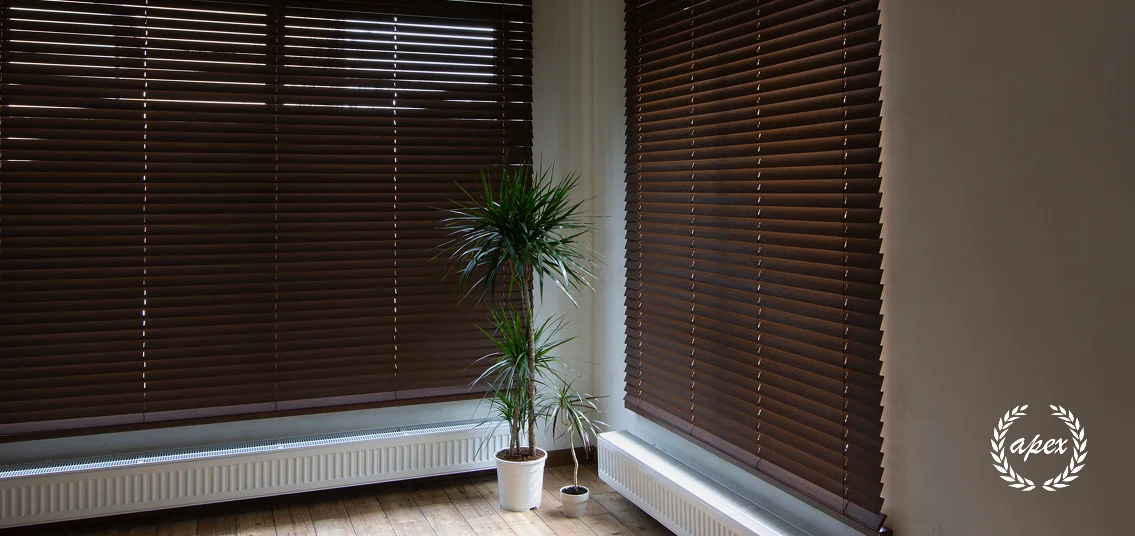
Light gaps typically appear at the top, sides, or centre of curtains. These gaps are influenced by track placement, wall depth, and how curtains meet in the middle.
Even with well-installed tracks, small gaps can occur due to structural limitations of the space.
Why Blackout Curtains Are Not Total Darkness
Blackout curtains are designed to block light through the fabric, not eliminate all light entering a room. Total darkness would require additional architectural solutions.
In bedrooms, careful planning can reduce light gaps significantly. In living spaces, a balance is usually struck between appearance and practicality.
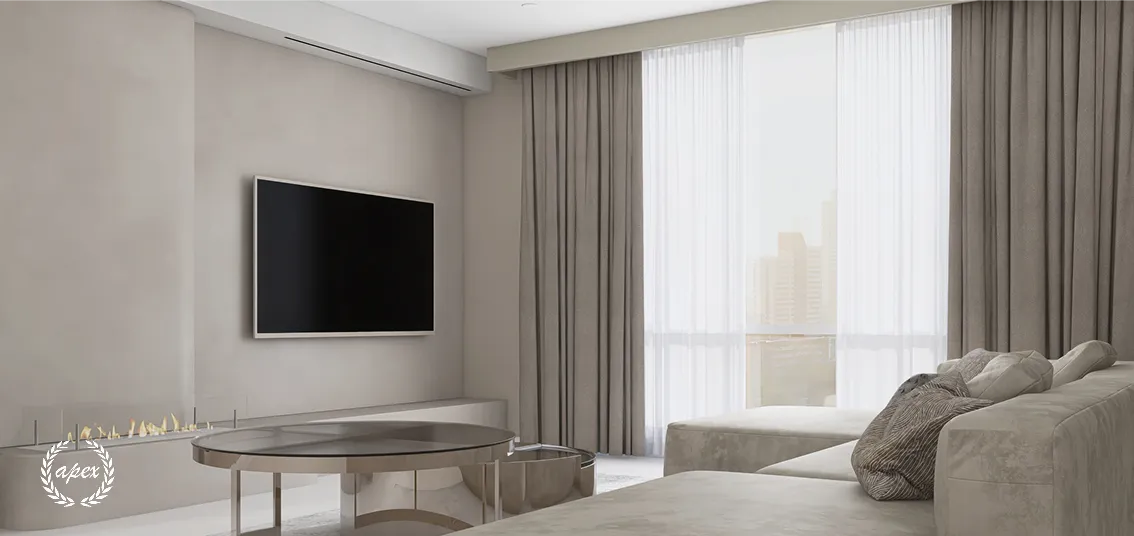
Sheer Curtains vs Blackout Curtains: Visual Differences After Installation
Different curtain types behave differently once installed.
Why Sheer Curtains Highlight Spacing and Folds
Sheer curtains allow light to pass through, which makes folds, spacing, and alignment more visible. Minor unevenness that might go unnoticed with thicker fabrics becomes more apparent.
Sheer curtains are also lighter and move more freely, responding to airflow and daily movement.
Why Blackout Curtains Emphasise Structure
Blackout curtains are heavier and more rigid. Their weight makes stacking, edges, and alignment more noticeable. This is why small differences after installation often stand out more with blackout curtains than with sheers.
Curtain Installation Details That Change How Curtains Look
Small installation choices can have a big visual impact.
 Track Placement and Mounting Height
 Track Placement and Mounting Height
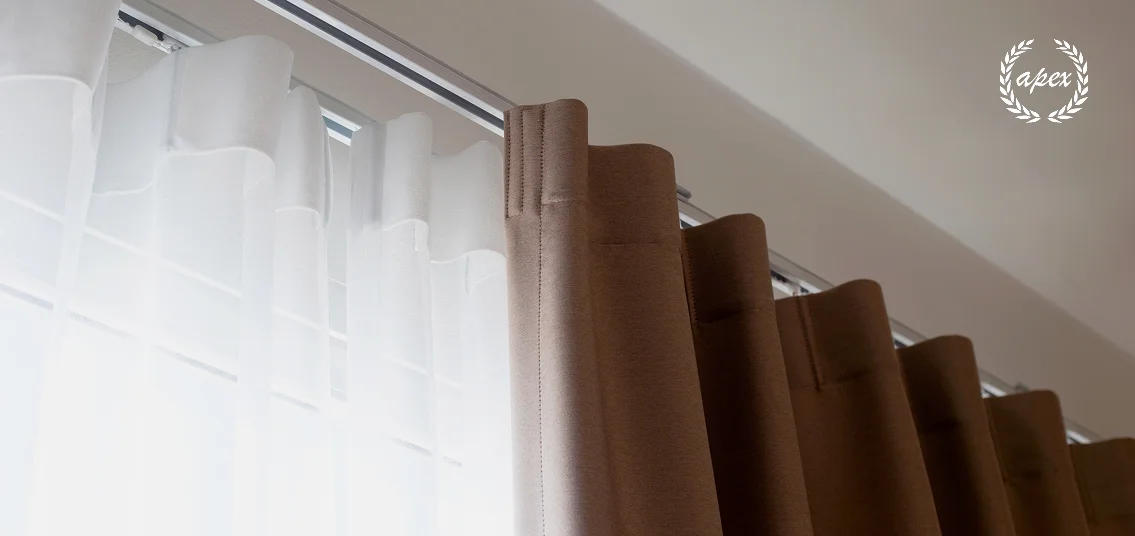
Ceiling-mounted tracks make curtains appear taller and more continuous. Wall-mounted tracks may reduce the visual height slightly but can be more practical in certain homes.
Track placement affects how curtains fall and how light gaps appear. These decisions are part of proper curtain installation, not afterthoughts.
Why Small Installation Decisions Matter
Level tracks, correct spacing, and accurate measurements ensure curtains hang evenly. Even small deviations can change how curtains look once installed, especially across wide spans.
Why Living Room Curtains Show These Issues More Clearly
Living rooms amplify everything visually.
Wider Windows and Longer Curtain Runs
Living rooms typically have the widest windows in the home. More width means more fabric, more folds, and more visible stacking. Any imbalance becomes easier to spot.
Layered Curtain Setups
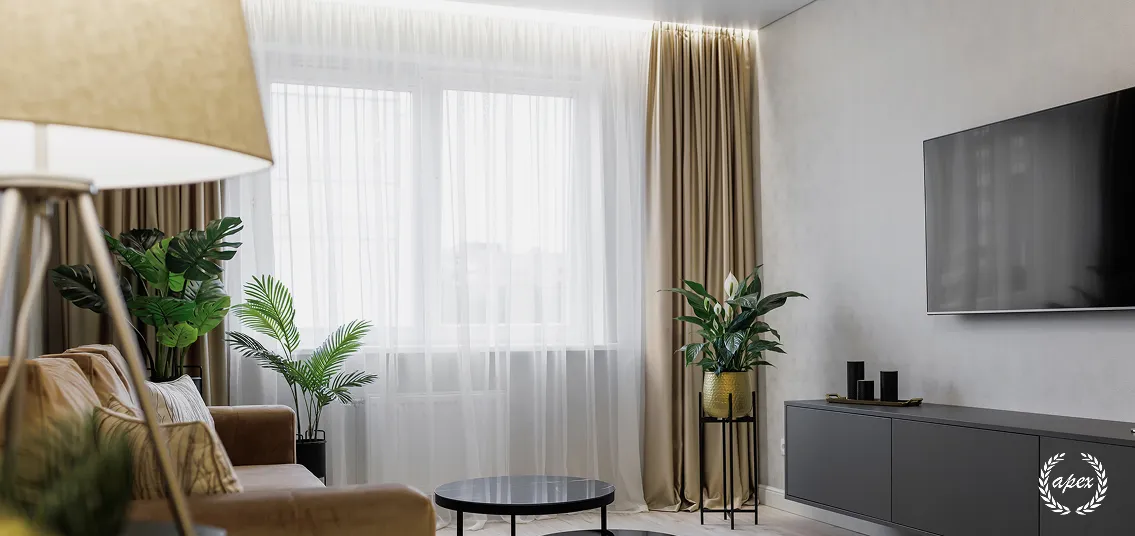
Many living rooms use layered setups, combining sheer curtains with blackout curtains. While this improves flexibility, it also increases visual complexity, making differences more noticeable after installation.
What Can Be Adjusted After Curtain Installation and What Cannot
Not everything can be changed once curtains are installed.
Minor Adjustments That Can Help
Curtain positioning, overlap at the centre, and track alignment can sometimes be adjusted to improve appearance. These tweaks may reduce visible gaps or improve symmetry.
Limitations After Installation
Fabric fullness, curtain width, and structural constraints cannot be easily changed after installation. This is why understanding these factors before ordering custom curtains is important.
How Apex Helps Customers Set the Right Expectations for Curtains
As a supplier of curtains and window solutions in Singapore, Apex focuses on practical guidance.
Advising on Custom Curtains Before Installation
Before installation, Apex explains how fullness, stack-back, and light gaps will affect the final look of curtains in each space. This helps homeowners make informed choices.
Supporting Better Curtain Installation Outcomes
Accurate site measurements and realistic recommendations help ensure smoother curtain installation and fewer surprises once curtains are up.
Curtains Are Custom, Not One-Size-Fits-All
Curtains respond to the space they are installed in. Differences in fullness, stack-back, and light gaps are part of how curtains behave in real homes.
By understanding these factors and working with experienced suppliers, homeowners can choose custom curtains that suit their space and enjoy better long-term satisfaction.
📞 For advice on curtain selection and curtain installation, contact us via our contact page and speak with our team.